Environment
Half of world's children exposed to at least 3 climate hazards, UNICEF warns
More than one billion children face at least three overlapping climate threats, with extreme weather increasingly disrupting health, education and daily life
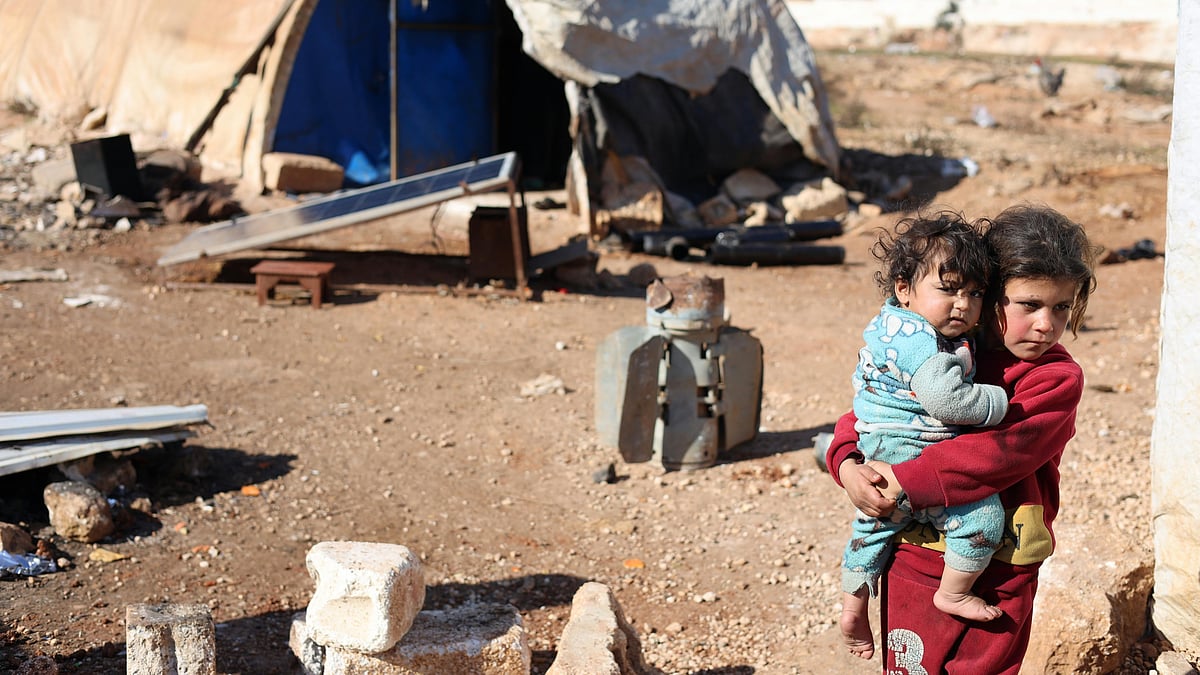
Half of the world's children are now exposed to at least three overlapping climate hazards that threaten their health, education and survival, according to a new report by Unicef.
The Children's Climate Risk Report found that more than one billion children globally are facing multiple climate-related threats, including heatwaves, storms, floods and droughts, as the climate crisis intensifies.
The report warns that rising temperatures and extreme weather events are placing increasing pressure on infrastructure and essential services, disrupting children's lives across both developing and developed countries.
According to Unicef, almost every child in the world, including those living in high-income countries, is now exposed to at least one climate hazard. Around 123,000 children are expected to experience more than six climate-related hazards during their lifetimes.
“The lives of children continue to be upended by the impact of heatwaves, wildfires, droughts and floods,” Unicef Executive Director Catherine Russell said.
“Half of the world's children are now living with at least three overlapping climate threats shaping their daily lives,” she added.
Subhead: Climate crisis affecting education
The report highlights the impact of climate-related disasters on education through the story of children in Papua New Guinea, where a footbridge across the Kemp Welch River was washed away during heavy rains in 2012 and has never been replaced.
As a result, hundreds of children are forced to swim across a crocodile-infested river each day to reach school.
Among them is 15-year-old Lorna, who said community elders often prevent girls from crossing the river during menstruation because of fears it could attract crocodiles.
“My dream is to become a teacher or a pilot. We want a new bridge so we can go to school safely every day,” she said.
According to local educators, the dangerous journey has contributed to injuries, illness and interruptions in schooling, particularly for girls.
“During monsoon season, heavy currents, dead trees and debris block the river, causing injury and death,” said headteacher Charlie Vali David.
“Many children fall sick from the cold, dirty river water. That creates a learning gap, especially for females,” he added.
Subhead: Asia and Africa among worst affected
Unicef analysed children's exposure to eight climate hazards: coastal floods, river floods, droughts, extreme heat, heatwaves, wildfires, sand and dust storms, and tropical storms.
The report found that the Sahel region in Africa is among the worst affected, with more than four million children facing the combined threat of heatwaves, extreme heat and sandstorms.
Children in Bangladesh, Myanmar and Pakistan were found to face some of the highest levels of exposure to multiple climate hazards globally.
High-income countries are also increasingly vulnerable. In Italy, for example, more than six million children are exposed to prolonged heatwaves and drought conditions.
Unicef has called on governments and businesses to accelerate efforts to reduce greenhouse gas emissions and strengthen climate adaptation measures, particularly in sectors such as health, education and infrastructure.
Russell said investing in resilient public services and infrastructure would help protect children from current climate threats while safeguarding their future.
Join our official telegram channel (@nationalherald) and stay updated with the latest headlines