Nation
Delhi continues to battle ‘very poor’ air quality as AQI stands at 377
CPCB’s Sameer app shows 29 stations with ‘very poor’ and nine with ‘poor’ air quality, underscoring Delhi’s winter pollution woes
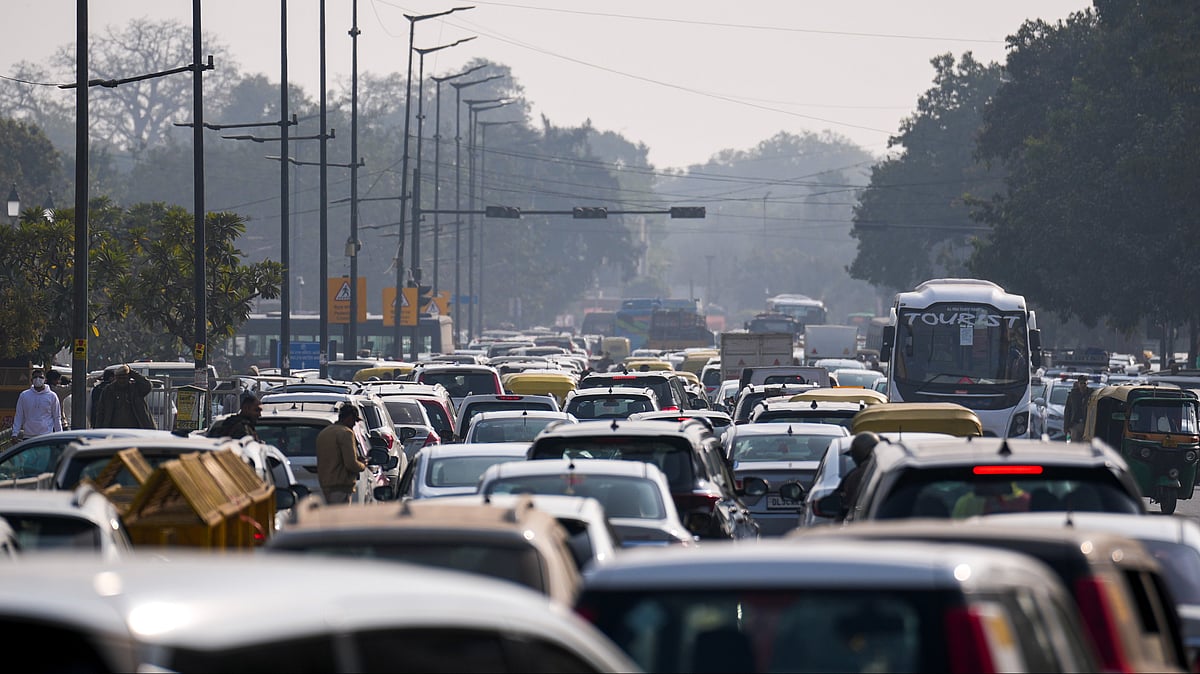
Delhi continued to battle hazardous air pollution on Thursday, with the overall Air Quality Index (AQI) remaining in the ‘very poor’ category at 377, despite a slight improvement from previous days, raising concerns over public health and daily life.
Data from the Central Pollution Control Board (CPCB) showed persistently high pollution levels across the city. The Swaminarayan Akshardham area recorded an AQI of 377, ITO 331, and AIIMS 359. Other hotspots included Anand Vihar (379), Ashok Vihar (333), Wazirpur (336), Punjabi Bagh (338), RK Puram (359), Bawana (323), Chandni Chowk (361), and Dwarka Sector 8 (342).
On Wednesday, CPCB’s Sameer app indicated that 29 monitoring stations reported ‘very poor’ air quality, while nine fell under the ‘poor’ category, highlighting the widespread pollution challenge during the winter months.
Government measures
In response, the Delhi government announced that parking charges at authorised sites will be doubled during periods of severe pollution, as per the Graded Response Action Plan (GRAP) Stage III (AQI 401–450) and Stage IV (‘severe plus’, AQI above 450). This measure aims to discourage private vehicle use and curb emissions.
Earlier, the Commission for Air Quality Management (CAQM) had revoked GRAP Stage IV restrictions in Delhi-NCR on Tuesday following a marginal improvement, but authorities continue to monitor conditions closely.
Weather complicates situation
Adding to the city’s woes, the India Meteorological Department (IMD) reported moderate to dense fog across Delhi, reducing visibility and complicating travel. Temperatures hovered around 7.4°C at 7 am, while cloudy skies and light rain, possibly accompanied by thunderstorms, lightning, and gusty winds of 30–40 kmph, are forecast for Thursday. A second spell of rain is expected in the afternoon and evening.
Cold wave conditions also persisted across North India, including Punjab, Haryana, Rajasthan, and Uttar Pradesh. Adampur recorded the lowest temperature in the plains at 2.6°C, while fog and cold waves increased the risk of road accidents and added to the region’s winter discomfort.
With IANS inputs
Join our official telegram channel (@nationalherald) and stay updated with the latest headlines