World
Ebola cases in DR Congo rise to 710 as authorities deny lockdown rumours
Of the confirmed cases, 324 patients are currently in isolation or receiving treatment, while 35 people have recovered from the disease
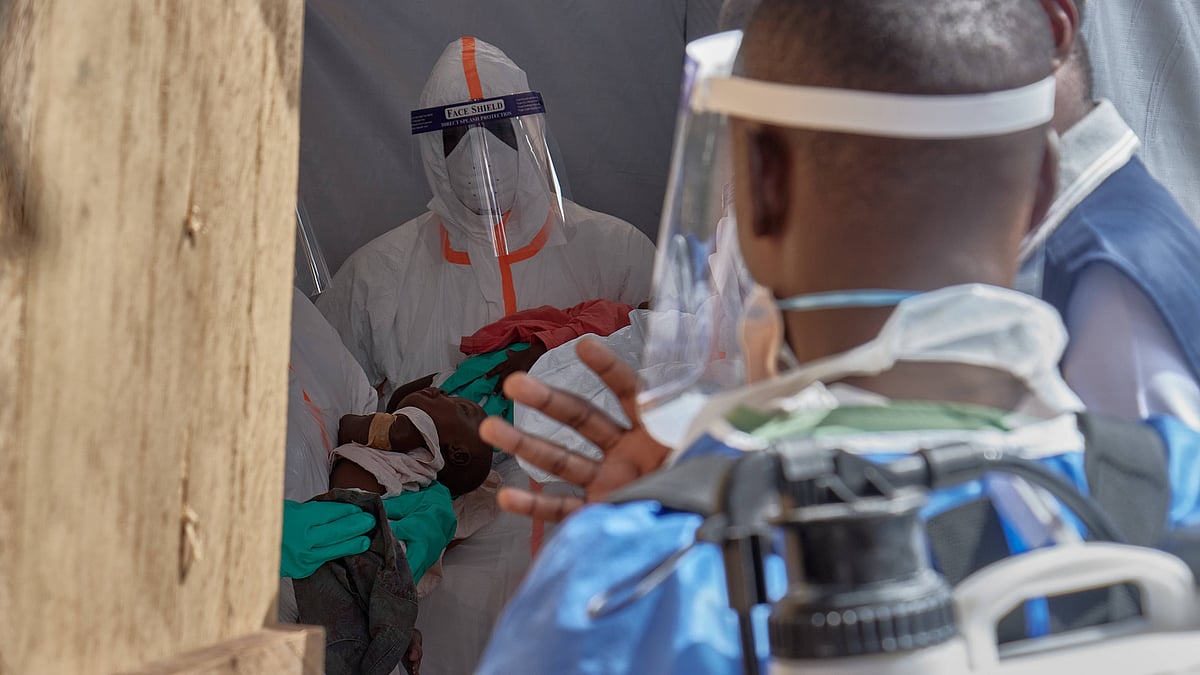
The Ebola outbreak in the Democratic Republic of the Congo (DRC) continues to intensify, with confirmed infections rising to 710 and the death toll reaching 149, according to the country's Ministry of Health.
Health authorities said the outbreak, officially declared on 15 May, remains a major public health challenge as cases continue to emerge across affected regions. The ministry reported a case fatality rate of 21 per cent, while cautioning that the true toll could be higher as several suspected Ebola-related deaths remain under investigation.
Of the confirmed cases, 324 patients are currently in isolation or receiving treatment, while 35 people have recovered from the disease.
As concerns grow over the outbreak's trajectory, the DRC government moved to dispel rumours circulating on social media that a nationwide lockdown had been imposed. The Health Ministry categorically denied the claims, stating that no lockdown measures were in force or under consideration and urging citizens to rely on official sources for information.
Authorities said response efforts remain in full swing, with health workers conducting epidemiological surveillance, contact tracing, patient care, targeted vaccination campaigns, risk communication and community outreach to contain the virus and prevent further transmission.
The World Health Organisation (WHO), in its latest outbreak update, warned that the situation remains highly dynamic, with infections spreading to new areas and case numbers continuing to rise.
The WHO also noted that the reported fatality rate is likely an underestimate, as several deaths that occurred before the outbreak was officially declared have yet to be fully assessed.
Complicating containment efforts are a series of operational challenges. Health officials have cited resistance to post-mortem testing in some communities, limited capacity at Ebola treatment centres, shortages of infection-control supplies in North Kivu, weak disease-alert reporting systems and a funding shortfall estimated at $21.5 million.
The humanitarian situation has added another layer of complexity. According to the United Nations High Commissioner for Refugees (UNHCR), two Ebola-related deaths have already been reported in a camp for internally displaced persons in Ituri province, raising fears of further spread among vulnerable populations.
The current outbreak involves the Bundibugyo strain of the Ebola virus, for which there is no approved vaccine or specific treatment. Researchers are currently evaluating potential vaccine candidates and therapies, but none are yet widely available.
The outbreak is unfolding against a backdrop of armed conflict, population displacement and extensive cross-border movement, factors that health experts warn could accelerate transmission and hamper containment efforts.
The DRC has experienced multiple Ebola outbreaks since the virus was first identified in the country in 1976. This latest outbreak marks the nation's 17th encounter with the deadly disease and comes as neighbouring Uganda is also battling Ebola infections linked to the same virus species.
With health authorities racing to break transmission chains and international agencies warning of mounting challenges, the coming weeks are expected to be critical in determining whether the outbreak can be brought under control.
With IANS inputs
Join our official telegram channel (@nationalherald) and stay updated with the latest headlines