World
Iran announces fresh closure of Strait of Hormuz amid tensions over Lebanon
Move comes days after interim US-Iran agreement as Tehran cites continued Israeli strikes and questions implementation of ceasefire commitments
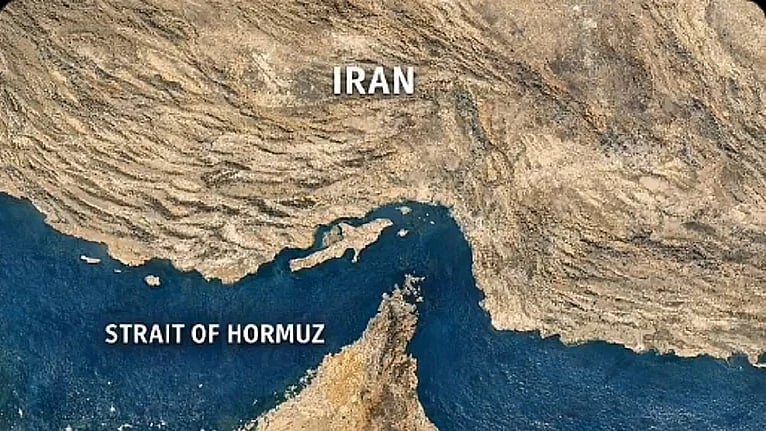
Iran's Joint Military Command has announced the renewed closure of the Strait of Hormuz, citing continued Israeli military operations in Lebanon and what it described as the United States' failure to honour commitments aimed at ending the conflict.
In a statement broadcast on Iranian state television on Saturday, military officials said the strategic waterway had been shut once again and warned that further measures could follow if hostilities continued. The statement referred to ongoing Israeli attacks in Lebanon and alleged "malafide intentions" on the part of the United States, claiming that recent actions amounted to a breach of promises made under efforts to secure a ceasefire.
The announcement has raised fresh concerns over regional stability only days after an interim understanding between Washington and Tehran had sparked hopes of de-escalation. The agreement had prompted the gradual resumption of shipping traffic through the Strait of Hormuz, a vital global energy corridor through which a significant share of the world's oil and gas supplies passes.
However, optimism surrounding the agreement was dented after Israeli strikes in southern Lebanon reportedly killed at least 16 people, including two children, shortly after news of the ceasefire arrangement emerged.
Adding a further layer of complexity, Iranian state media reported that Tehran's negotiating team is now preparing to travel to Switzerland for discussions with US officials on an interim wartime arrangement. According to the report, the visit had originally been scheduled for Friday but was postponed before being rescheduled.
The latest diplomatic development comes even as Iranian military authorities maintain a hardline position on the Strait of Hormuz, linking any reopening of the waterway to developments on the ground in Lebanon.
Iranian Foreign Ministry spokesman Esmail Baghaei urged caution over expectations surrounding the agreement, telling state television that the true measure of any deal lies in its implementation rather than its announcement.
"The real test of an agreement is when it reaches the implementation stage," he said.
The latest developments underscore the fragile nature of efforts to reduce tensions in the region, with military actions, diplomatic negotiations and energy security concerns continuing to shape the rapidly evolving situation.
Join our official telegram channel (@nationalherald) and stay updated with the latest headlines