


Deal or deadlock? Lebanon and Hormuz key to US-Iran breakthrough
Tehran has made clear that any lasting deal must go beyond Hormuz and address wider regional flashpoints, especially conflict in Lebanon
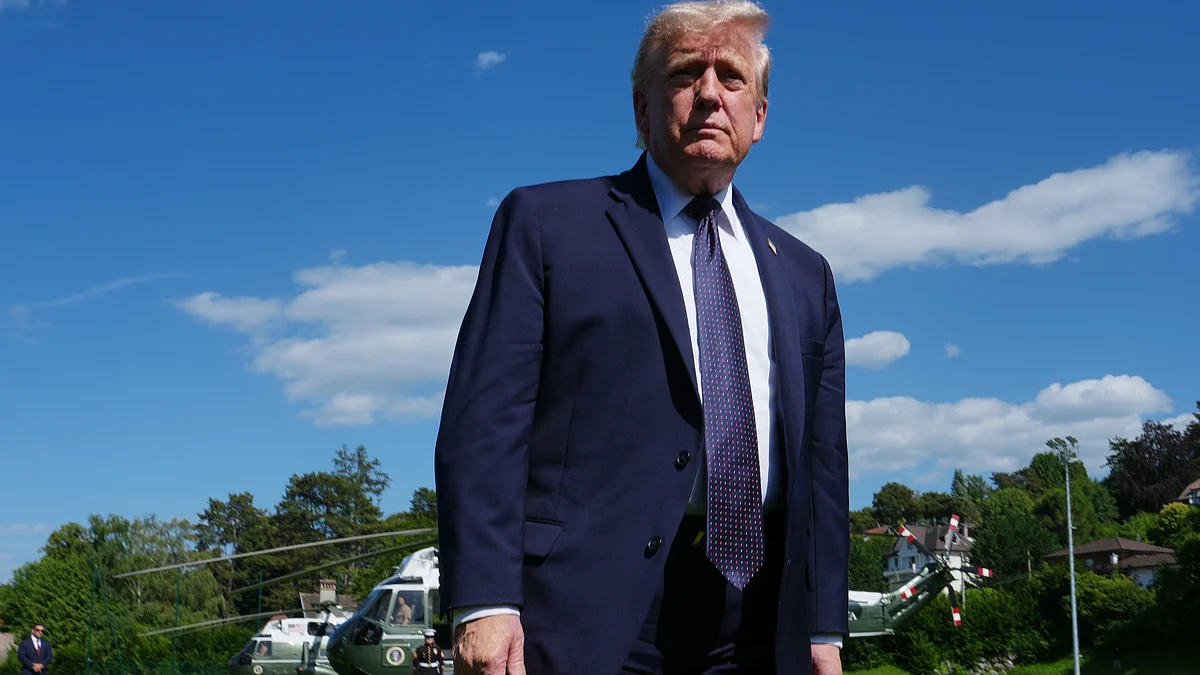


In a tentative diplomatic breakthrough still shadowed by deep mistrust, the United States and Iran have reportedly moved closer to a ceasefire-extension framework that could reopen the Strait of Hormuz — a vital artery of global oil trade.
A senior US official said the memorandum of understanding was signed by US President Donald Trump, vice-president J.D. Vance and Iranian Parliament speaker Mohammad Bagher Ghalibaf, marking what could be a rare moment of direct convergence between Washington and Tehran. The agreement is expected to be formally signed in Geneva on Friday, though key details remain unresolved.
If implemented, the deal would extend the ceasefire and gradually reopen the strategic waterway that has been disrupted, sending ripples through global energy markets. Even so, analysts caution that stabilisation could take months after the shock to supply chains.
Iranian foreign minister Abbas Araghchi, however, has adopted a measured stance on the proposed US-Iran peace agreement, saying the framework was negotiated against a backdrop of deep mistrust stemming from previous US actions.
The NDTV reported that while acknowledging that the deal could open up significant economic opportunities for Iran, Araghchi emphasised that Tehran would carefully assess how the agreement is implemented during the 60-day review period. His comments reflect Iran's continued caution and skepticism even as efforts to formalise the accord move forward.
Iran, however, remains both the driving force and the principal challenge in the evolving diplomatic effort. Tehran has made it clear that any durable agreement must extend beyond the Strait of Hormuz and address wider regional flashpoints, particularly the conflict in Lebanon. Iranian officials have insisted that a meaningful settlement cannot be achieved without a halt to hostilities involving Israel and Hezbollah, making the Lebanon crisis a central pillar of any final deal.
Foreign ministry spokesperson Esmaeil Baghaei struck a cautious tone, describing the path ahead as a “long road” to rebuilding trust with Washington, citing decades of historical grievances, including the 1953 coup. He stressed that distrust between the two nations remains deeply entrenched and cannot be undone quickly.
Baghaei also confirmed that regional diplomatic engagements are planned ahead of the Switzerland signing, as Tehran prepares to shape the contours of the emerging agreement. He reiterated Iran’s position that Lebanon’s sovereignty and territorial integrity must be respected and included within the framework of any understanding.
Despite the momentum, major hurdles remain. Israel has indicated it will not withdraw from territories seized in Lebanon and continues military operations against Hezbollah — a development that could complicate the fragile diplomatic equation further.
Iran has, meanwhile, maintained that any final settlement must incorporate an end to the fighting in Lebanon, signalling that the broader regional conflict remains inseparable from the US–Iran negotiations.
Even as the outlines of an agreement begin to emerge, Tehran is projecting both engagement and caution — welcoming diplomatic channels while insisting that unresolved historical and regional grievances cannot be brushed aside in the rush toward peace.
Join our official telegram channel (@nationalherald) and stay updated with the latest headlines