World
Nuclear inspections, Hormuz fuel Trump-Tehran rift
Iranian President Masoud Pezeshkian says country's ballistic missile programme remains non-negotiable and outside the scope of talks
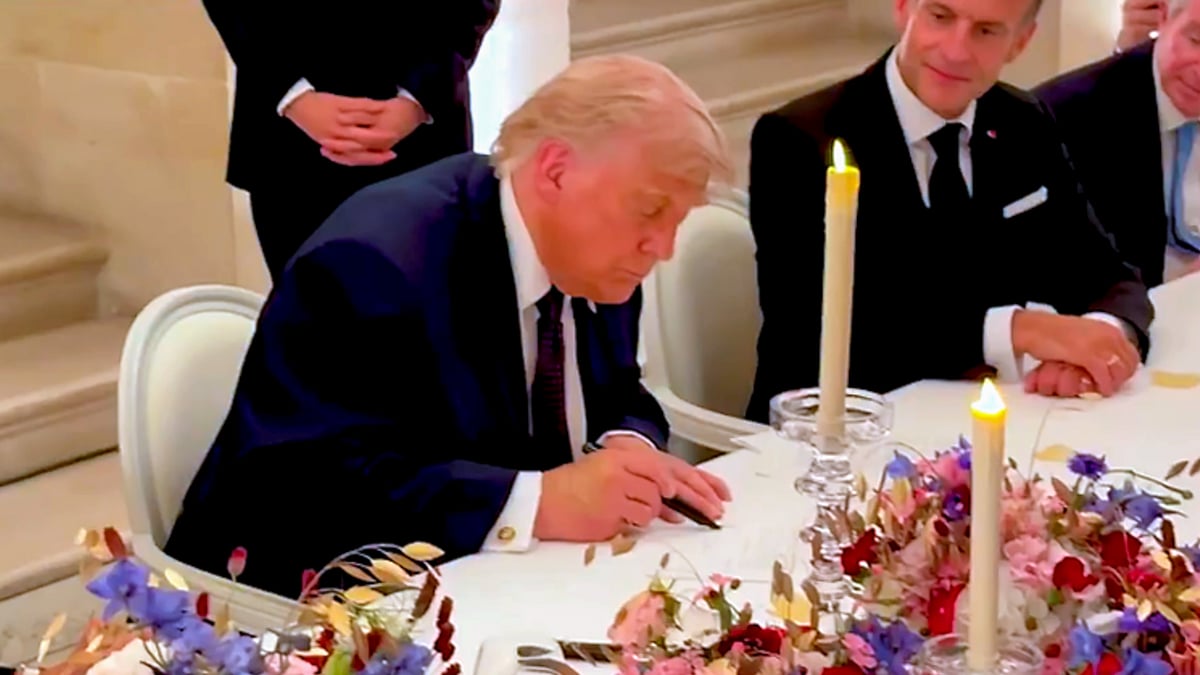
As diplomatic efforts enter a crucial phase, Washington and Tehran continue to project sharply contrasting narratives on the state of their negotiations, underscoring the deep mistrust that still shadows attempts to forge a lasting agreement.
With negotiators racing against a 60-day deadline to secure a final deal, key sticking points — particularly nuclear oversight and Iran’s military capabilities — remain unresolved.
The latest flashpoint emerged after US President Donald Trump claimed that Iran had agreed to accept the “highest level” of international monitoring of its nuclear programme. Tehran swiftly pushed back against the assertion, firmly denying that it would permit foreign nuclear inspectors to return. Iranian officials insisted that no such commitment had been made, highlighting the persistent gulf between the two sides over transparency and verification measures.
Adding to the complexity, Iranian President Masoud Pezeshkian reiterated that the country’s ballistic missile programme remains non-negotiable and lies entirely outside the scope of the ongoing talks. The stance reflects Tehran’s long-held position that its missile arsenal is a sovereign defence matter and not subject to foreign scrutiny, despite repeated calls from Western powers to address the issue as part of a broader security framework.
Meanwhile, US secretary of state Marco Rubio signalled Washington’s expectations for a post-deal regional order, stating that Iran would not be permitted to impose tolls or restrictions on maritime traffic through the strategically vital Strait of Hormuz.
The narrow waterway, through which a significant portion of the world's oil supply passes, has long been a focal point of tensions between Iran and the West.
As uncertainty lingers over the US-Iran negotiations, broader regional diplomacy continues to unfold. Israel and Lebanon have launched a fifth round of US-mediated talks, though optimism appears limited. An Israeli envoy described the discussions as a “train-wreck,” highlighting the formidable challenges that continue to impede progress across multiple fronts in the West Asia.
Join our official telegram channel (@nationalherald) and stay updated with the latest headlines