Nation
DGCA asks airlines to avoid 9 West Asia airspaces, boost contingency plans
DGCA says flights to the affected region must have robust contingency plans to handle evolving risks
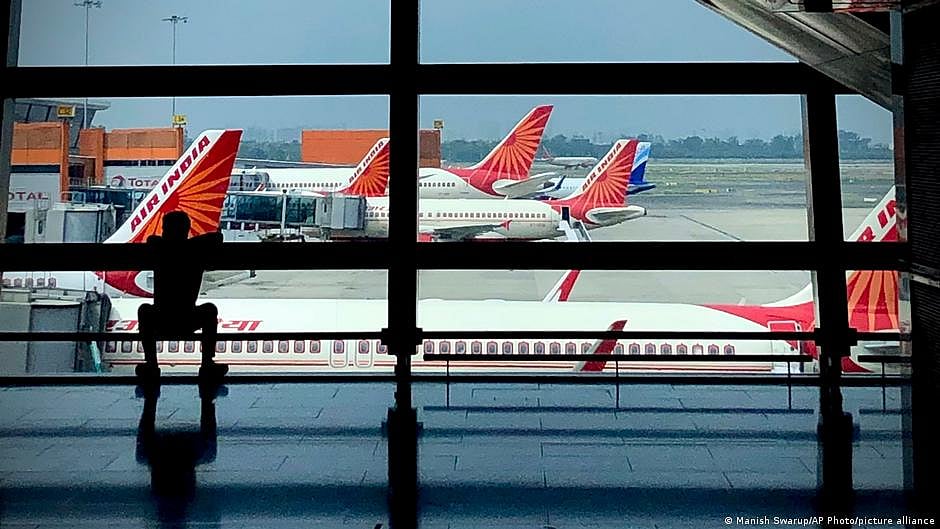
Amid the deepening turbulence in West Asia, India’s aviation regulator, the Directorate General of Civil Aviation (DGCA), has issued a sweeping advisory, urging airlines to steer clear of nine sensitive airspaces and brace for potential contingencies as regional tensions intensify.
In a directive issued on Thursday, the DGCA cautioned carriers against operating in the airspaces of Bahrain, Iran, Iraq, Israel, Jordan, Kuwait, Lebanon, Qatar and the United Arab Emirates, describing the region as fraught with heightened risk. Airlines have been asked to refrain from flying through these zones at any altitude, leaving any exceptional operations strictly to the discretion of operators based on rigorous safety assessments.
While imposing these restrictions, the regulator allowed limited passage through the airspaces of Oman and Saudi Arabia — but with stringent conditions. Aircraft must maintain a minimum cruising altitude of 32,000 feet (FL320) in designated zones, underscoring the delicate balance between operational continuity and passenger safety.
The DGCA further stressed that any flights bound for destinations within the affected region must be backed by robust contingency planning, capable of responding to rapidly evolving scenarios. Airlines have also been instructed to keep flight crews constantly updated with the latest Notices to Airmen (NOTAMs), ensuring real-time awareness of airspace closures, restrictions, and emerging threats.
Describing the situation as volatile, the regulator pointed to recent military strikes by the United States and Israel on targets within Iranian territory, and Tehran’s subsequent warnings of retaliation, as key triggers behind the heightened alert. These developments, it noted, have created a perilous environment for civil aviation, with risks that can shift swiftly and unpredictably.
The advisory takes immediate effect and will remain in force until 28 March, unless revised in light of further developments — a stark reminder of how geopolitical fault lines can ripple through even the highest corridors of the sky.
With PTI inputs
Join our official telegram channel (@nationalherald) and stay updated with the latest headlines