


8 PPF Myths Indian Car Owners Still Believe
Some car owners expect PPF to make their vehicle immune to every kind of scratch or impact
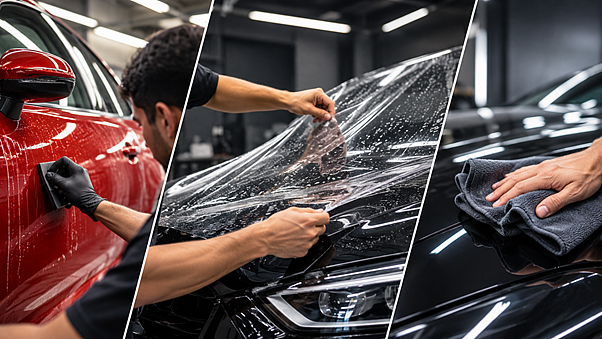


Paint Protection Film (PPF) has become an increasingly popular choice among Indian car owners looking to protect their vehicle's original paint. From luxury cars to everyday family vehicles, more owners are exploring PPF as a way to reduce paint damage caused by stone chips, scratches, road debris and environmental exposure.
Yet, despite its growing popularity, several misconceptions continue to surround this technology. Some car owners believe PPF turns yellow within months, while others assume it makes their vehicle completely scratch-proof. These misunderstandings can make it difficult to decide whether investing in PPF is worthwhile.
Let's look at eight common PPF myths and understand what car owners should actually know before choosing a film.
Myth 1: PPF Turns Yellow After a Few Months
One of the most common concerns about PPF coating for cars is yellowing. This perception partly comes from older or lower-quality films that may have struggled with prolonged UV exposure and environmental conditions.
Modern, quality PPF products are designed with improved UV resistance and anti-yellowing properties. However, their long-term performance depends on the film's formulation, topcoat technology, installation and maintenance.
For Indian conditions, where vehicles experience intense sunlight, heat, dust and pollution, choosing a film designed to withstand environmental exposure is particularly important.
Myth 2: PPF Makes Your Car Completely Scratch-Proof
Some car owners expect PPF to make their vehicle immune to every kind of scratch or impact. This is an unrealistic expectation.
PPF acts as a protective layer that helps absorb certain forms of everyday impact and reduces the risk of damage to the underlying paint. It can protect against minor abrasions, light scratches and stone chips, depending on the film's construction and the nature of the impact.
However, deep cuts, sharp objects and severe impacts can still damage the film and potentially the paint underneath.
Myth 3: PPF and Ceramic Coating Are the Same Thing
PPF and ceramic coating serve different purposes. PPF is a physical film applied over painted surfaces to help protect against stone chips, minor abrasions and other forms of physical damage. Ceramic coating, on the other hand, creates a protective surface layer that improves properties such as water repellency and makes routine cleaning easier.
Myth 4: PPF Is Only for Expensive Luxury Cars
Because PPF coating is commonly associated with premium and luxury vehicles, many owners of regular cars assume it is unnecessary for them.
PPF can be useful for any vehicle whose owner wants to preserve its original paint. The decision should depend on the vehicle's value, usage, driving conditions and ownership plans rather than its badge alone.
For example, a car frequently driven on highways may face greater exposure to flying stones and road debris. Similarly, owners who park in crowded areas may want additional protection for vulnerable panels.
Myth 5: All PPF Products Offer the Same Protection
At first glance, most PPF products may look similar once installed. But PPFs can vary significantly in their material composition, thickness, adhesive, topcoat technology, optical clarity, flexibility and self-healing performance.
For instance, TPU-based films are widely used in premium paint protection applications because of their flexibility and performance characteristics. Some specialised formulations also combine different materials to achieve specific properties. For instance, Aegis Films offers Polycarbonate + TPU PPF as part of their XG Series.
Car owners should compare actual product specifications and warranties instead of choosing a film based only on its advertised thickness or price.
Myth 6: PPF Does Not Require Any Maintenance
Another misconception is that once PPF is installed, the car owner can forget about exterior maintenance altogether.
PPF reduces the risk of certain types of paint damage, but it still needs proper care to maintain its appearance and performance.
Owners should follow the installer's instructions regarding the initial settling period, washing frequency and suitable cleaning products. Using harsh chemicals, abrasive materials or aggressive washing techniques can affect the film's surface over time.
It is also advisable to have the film inspected periodically, particularly around edges and corners, to identify any signs of lifting or damage early.
Myth 7: A More Expensive PPF Is Always Better
PPF prices can vary considerably, leading some buyers to assume that the most expensive option must offer the best protection.
Price alone is not a reliable measure of quality. The film's construction, performance specifications, warranty coverage and installation standards all matter.
Before purchasing, ask for the exact product name and technical specifications. Understand what the warranty covers, including yellowing, cracking, peeling and other product-related issues.
Myth 8: PPF Installation Is a Simple DIY Job
With online tutorials and pre-cut PPF kits becoming more accessible, some car owners believe they can install the film themselves and save on professional installation charges.
PPF installation requires specialised skills, appropriate tools, surface preparation and a controlled working environment. The film must be positioned, stretched and applied carefully, particularly around curves, edges and complex body panels.
Improper installation can result in bubbles, contamination, visible edges, wrinkles and premature lifting. Professional installers are trained to handle these challenges and achieve a cleaner finish.
Making an Informed PPF Decision
PPF can be a valuable investment for car owners who want to preserve their vehicle's original paint, but understanding what it can and cannot do is essential.
The right approach is to evaluate the film's specifications, installation quality, warranty and maintenance requirements before making a decision. This becomes particularly important in India, where heat, humidity, dust, pollution and varying road conditions place different demands on paint protection products.
Ultimately, the best PPF is not necessarily the most expensive or the one with the boldest claims. It is the one that offers suitable protection for your driving conditions, is professionally installed and is maintained correctly.
Join our official telegram channel (@nationalherald) and stay updated with the latest headlines