


Dealer Insurance Included in Your Car Deal? Check What You Are Actually Paying For
A car insurance quotation issued by the insurer should make the policy components easier to identify
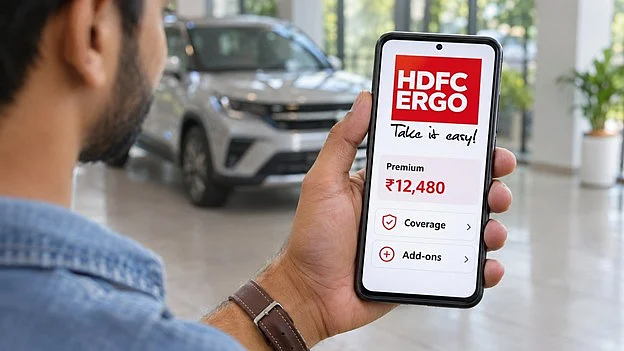


When a car dealer includes insurance in the vehicle deal, it usually means the premium is part of the total on-road amount. However, this does not necessarily mean the insurance is free. The amount may cover basic protection, additional benefits and other policy-related charges.
Before accepting the offer, it is important to understand what you are paying for. Checking the premium breakdown, type of coverage, optional benefits and policy duration can help you make an informed decision.
Separate the Policy from the Car’s Other Charges
An on-road quotation covers more than the vehicle itself. It may bring together road tax, registration, insurance, accessories and dealer services. These amounts serve different purposes, even when they appear under one total.
Ask for the insurance figure on its own. Then check whether the dealer has included an extended warranty, service package or other benefit besides it. Those purchases should not be mistaken for insurance protection simply because they appear in the same quotation.
Understand Where the Dealer’s Offer Comes From
An offer described as insurance included might mean the dealer has arranged the policy and added its premium to the bill. It might also mean a promotional discount offsets part of that amount.
Ask whether the premium is being charged separately or covered through a discount on the vehicle deal. Request the explanation in writing. The aim is not to question the dealer's arrangement, but to understand the offer before agreeing to it.
Read the Insurer's Quotation before Paying
A car insurance quotation issued by the insurer should make the policy components easier to identify. Look for:
● Third-party liability: Protection against covered legal liabilities to other people.
● Own-damage protection: Cover for specified loss or damage involving your vehicle.
● Personal accident protection: Applicable cover for the owner-driver, subject to eligibility and requirements.
● Add-ons and taxes: Optional benefits and the applicable tax component, identified.
Also check the name of the insurer and whether the details match what the salesperson has explained. An itemised quotation offers more clarity than a single insurance amount on the vehicle invoice.
Do Not Assume Every Part Lasts Equally Long
New private cars in India generally have third-party insurance for three years. In a bundled arrangement, own-damage cover commonly runs for one year. Both may be issued together, but they do not always share an expiry date.
Check the policy schedule for each section's start and end date. You may need to renew protection for your own car before the third-party portion expires. Knowing this at delivery makes future renewals easier to plan.
Look beyond the Words on the Policy
Comprehensive insurance usually combines third-party cover with protection for your own vehicle against insured events such as accidents, fire and theft. What you receive after a claim still depends on the policy terms.
Check the Insured Declared Value, or IDV, which is relevant to theft and total-loss claims. Find out what deductible you must bear and how repairs are handled at network garages. A cashless arrangement may reduce upfront payment, but it does not remove every expense.
Identify Extras That Serve a Different Purpose
Roadside assistance, zero depreciation and return-to-invoice cover are separate benefits with different conditions. A dealership may also include assistance through the vehicle manufacturer, which is not necessarily an insurance benefit.
Ask who provides each service, when it can be used and whether it has been added to the premium. This helps you select useful protection without paying for a service you did not intend to take.
Match the Final Policy to Your Purchase
Before delivery, check the owner's name, vehicle variant, identification details and selected covers. If you have financed the car, confirm that the lender is recorded where required.
You are free to arrange valid cover through the dealership or another insurer. In either case, obtain the issued policy and receipt, and verify that protection begins when needed.
Final Thoughts
Dealer-arranged insurance can make buying a car convenient. What matters is whether the amount quoted matches the policy you actually receive.
Separate the charges, read the cover details and confirm the documents before taking delivery. That way, the decision rests on clear information rather than the wording of an offer.
Join our official telegram channel (@nationalherald) and stay updated with the latest headlines