


Endowment Plans Explained: Building a Disciplined Savings Plan Under the New Tax Regime
You are living in a time when saving money is no longer automatic
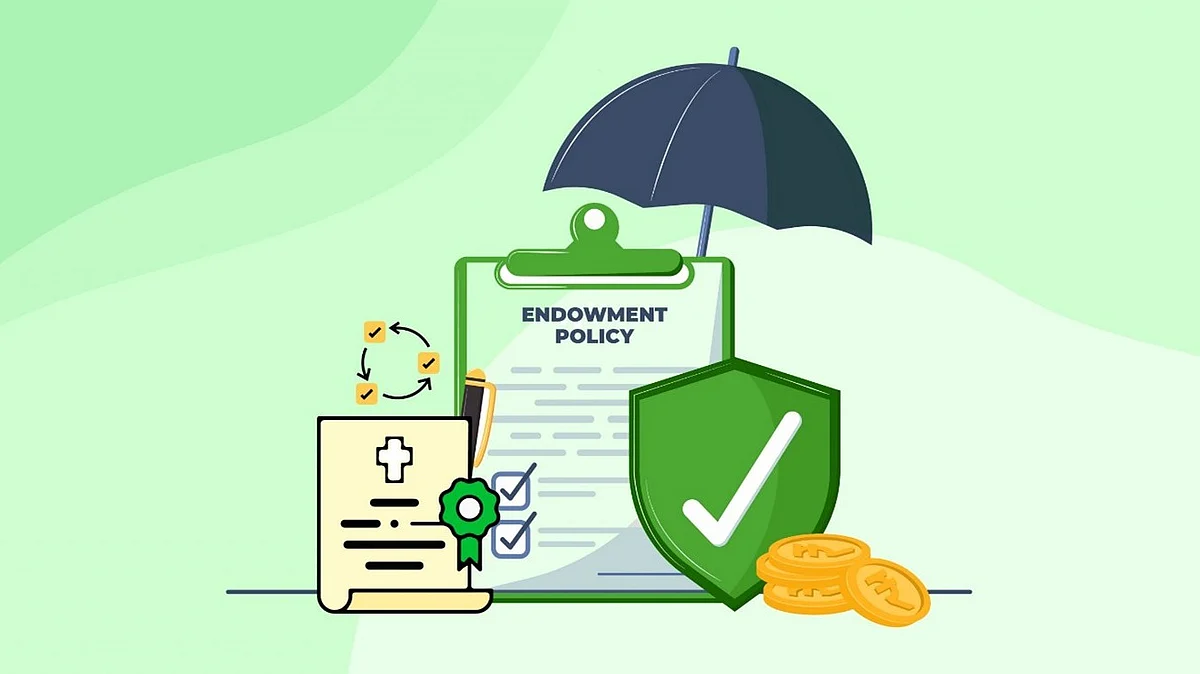


You are living in a time when saving money is no longer automatic. Salaries arrive digitally, expenses are often spread across various channels, and months pass without a clear understanding of exactly how much of that income has been set aside. Against this backdrop, endowment plans still exist for one simple reason. They force you to save when discipline does not come naturally. Under the new tax regime, where deductions no longer drive decisions, these plans need to be judged for what they truly are rather than for tax benefits alone.
What are endowment plans
An endowment plan is a life insurance product with a savings component built into it. You commit to paying a fixed premium for a defined period. In return, the insurer promises a lump sum payout either on maturity or to your nominee if you do not survive the policy term.
Unlike pure insurance, where the focus is protection, or pure investments, where the focus is growth, endowment plans sit in the middle. Part of your premium goes toward life cover. The rest is invested conservatively to build a guaranteed or partially guaranteed corpus over time.
Why endowment plans still matter under the new tax regime**
Under the old tax regime, many investors bought endowment plans mainly for Section 80C deductions. That incentive is gone if you opt for the new tax regime. What remains is the product’s core value, which is enforced savings with low volatility.
If you struggle with consistency, an endowment plan acts like a financial contract with yourself. Missing premiums leads to penalties or loss of benefits, which psychologically pushes you to stay committed. For salaried individuals who prefer predictability over optimisation, this structure still has value.
Under the new tax regime, maturity proceeds from compliant policies remain tax-free under Section 10(10D), subject the applicable premium limits. That makes it important to evaluate returns on a post-tax basis rather than rejecting the product outright.
Risk profile and guarantees
Most endowment plans come with guaranteed sums assured. Some also include guaranteed additions. These features appeal to conservative savers who value certainty over upside.
The risk you carry is not market volatility but opportunity cost. Your money is locked into a low-growth structure for many years. Exiting early often results in lower returns, especially within the first five years.
Before committing, you need clarity on surrender values, paid-up benefits, and policy revival rules. These details matter more than glossy benefit illustrations.
Evaluating endowment plans using the income tax calculator new regime
Under the new tax regime, decisions can benefit from a numerical comparison instead of assumptions. An income tax calculator new regime helps you assess whether choosing lower deductions and lower tax rates genuinely works in your favour when combined with an endowment plan.
You should calculate your tax liability with and without deductions. Then compare how the post-tax maturity value of the plan fits into your overall financial picture. This exercise often reveals that tax is no longer the main reason to buy or avoid the product.
What matters is whether the guaranteed, tax-free maturity amount aligns with your future expense goals. If it does, the plan earns its place. If it does not, you should walk away.
Who should consider endowment plans seriously
You should consider endowment plans if you value predictability, dislike monitoring markets, and want a single product that combines insurance with savings. They suit individuals with stable incomes who prefer low-risk commitments.
They also work well as a behavioural tool. If you know you will not invest consistently without pressure, this product provides that pressure.
However, if you already invest regularly through mutual funds, direct equity, or other growth assets, an endowment policy might add unnecessary rigidity to your savings plan.
How endowment plans fit into a balanced financial strategy
A strong financial strategy balances growth, stability, and protection. Endowment plans sit firmly in the stability bucket. They should complement, not replace, equity investments, term insurance, and emergency funds.
Used correctly, they create a safety layer that supports your broader savings plan. Used incorrectly, they could limit overall portfolio growth.
Your job is not to choose products emotionally but to assign each product a role and limit its allocation accordingly.
Conclusion
Choosing an endowment plan under the new tax regime is no longer about chasing deductions or blindly following tradition. It is about understanding your savings behaviour and preferences. If you need structure, certainty, and forced discipline, this product delivers exactly that while providing modest returns.
Tax exemptions are as per applicable tax laws from time to time.
This is an advertorial. The article is published as received.
Join our official telegram channel (@nationalherald) and stay updated with the latest headlines