


Financial Protection in Uncertain Economic Times
Economic downturns often create concerns about income stability, investment performance, and rising living costs



Economic uncertainty can affect households and businesses alike. Rising inflation, fluctuating markets, changing interest rates, geopolitical tensions, and global economic slowdowns can all influence financial stability. During such periods, many people worry about protecting their savings, maintaining their standard of living, and achieving long-term financial goals.
While economic cycles are inevitable, financial uncertainty does not have to derail your future. A well-structured financial protection strategy like investing in whole life insurance and term insurance or other guaranteed plans can help you navigate challenging times with greater confidence and resilience.
Why Financial Protection Matters During Economic Uncertainty
Economic downturns often create concerns about income stability, investment performance, and rising living costs. When markets become volatile, emotional decisions can sometimes lead to financial setbacks.
Instead of reacting to short-term market movements, it is important to focus on long-term financial planning. Building a strong financial foundation allows you to withstand temporary disruptions while remaining aligned with your financial objectives.
Financial protection helps you:
Safeguard your family's financial future
Manage unexpected expenses
Protect long-term investments
Reduce the impact of inflation
Maintain financial independence during challenging periods
Key Elements of a Strong Financial Protection Plan
A comprehensive financial protection strategy should include multiple components working together to secure your finances.
1. Build an Emergency Fund
An emergency fund serves as your first line of defence against financial uncertainty.
Financial experts generally recommend maintaining emergency savings equivalent to six to twelve months of essential expenses. This reserve can help cover:
Job loss
Medical emergencies
Major home repairs
Unexpected family expenses
Having readily accessible funds reduces the need to liquidate investments during market downturns.
2. Maintain Adequate Insurance Coverage
Insurance plays a critical role in protecting your family's financial well-being.
Life insurance, health insurance, and critical illness coverage can help minimise the financial impact of unforeseen events. Among these, term insurance remains one of the most effective ways to provide financial security to dependents.
A suitable life insurance policy ensures that your family's financial needs continue to be met even in your absence. Understanding what term insurance is and how it works can help individuals choose protection that aligns with their income, liabilities, and long-term responsibilities.
3. Diversify Your Investments
Diversification helps reduce the impact of volatility in any single asset class.
A balanced portfolio may include:
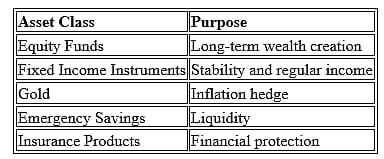
Diversification does not eliminate risk but can help manage it more effectively during uncertain periods.
Keep Inflation in Mind
Inflation gradually erodes purchasing power over time. Even when savings remain untouched, their real value may decline if returns fail to keep pace with rising prices.
To combat inflation:
Invest regularly for long-term growth
Review investment allocation periodically
Increase savings contributions as income grows
Avoid keeping excessive funds in low-yield accounts
A financial plan that accounts for inflation is better positioned to support future goals such as retirement, children's education, and wealth creation.
Review Your Financial Plan Regularly
Financial goals and responsibilities evolve throughout life. A strategy that worked five years ago may not be suitable today.
Regular reviews help ensure that your financial plan remains aligned with:
Income changes
Family responsibilities
Investment objectives
Retirement goals
Risk tolerance
Many financial planners recommend conducting a comprehensive review at least once a year and more frequently during significant life events.
Protect Income, Not Just Investments
People often focus heavily on protecting investments while overlooking their most valuable asset, their ability to earn income.
If your family relies on your earnings, protecting that income stream becomes essential.
When evaluating life insurance options, individuals often compare whole life and term insurance to determine which solution best meets their financial objectives. While both options serve different purposes, understanding the differences can help you make informed decisions based on your family's protection needs and budget.
For many individuals, a properly structured life insurance strategy forms an important part of overall financial security.
Avoid Emotional Financial Decisions
Periods of uncertainty can trigger fear and anxiety. However, making impulsive financial decisions often leads to poor outcomes.
Common mistakes include:
Selling investments during market declines
Stopping long-term investments prematurely
Ignoring insurance requirements
Chasing short-term market trends
Taking excessive risks to recover losses quickly
Successful investors typically focus on long-term goals rather than short-term market fluctuations.
Seek Professional Financial Guidance
Financial planning can become complex during uncertain economic conditions. Professional guidance can help you evaluate risks, optimise investments, and identify protection gaps.
An experienced financial advisor can assist with:
Portfolio allocation
Retirement planning
Insurance requirements
Tax-efficient investing
Risk assessment
Professional insights can help you make informed decisions rather than reacting emotionally to changing market conditions.
Use Technology to Improve Planning
Today, several digital tools can simplify financial planning and protection decisions.
For example, a term insurance premium calculator can help estimate premium costs based on factors such as age, coverage amount, policy tenure, and lifestyle habits. Such tools allow individuals to assess affordability and choose appropriate coverage levels before purchasing a policy.
Similarly, investment calculators can help project long-term wealth accumulation under different market scenarios.
Conclusion
Economic uncertainty is a natural part of financial life, but it does not have to threaten your long-term goals. Building an emergency fund, maintaining adequate insurance coverage, diversifying investments, and reviewing your financial plan regularly can help create a strong foundation for financial security.
Rather than reacting to short-term market movements, focus on disciplined planning and informed decision-making. Whether it involves strengthening savings, evaluating whole life and term insurance, or enhancing investment strategies, proactive financial management can help protect your wealth and your family's future.
With the right preparation and a long-term perspective, you can navigate uncertain economic times while remaining on track to achieve your financial objectives.
This is an advertorial. The article is published as received.
Join our official telegram channel (@nationalherald) and stay updated with the latest headlines