


How Wipro Consumer Lighting Is Redefining What a 'Smart Product' Means in Lighting
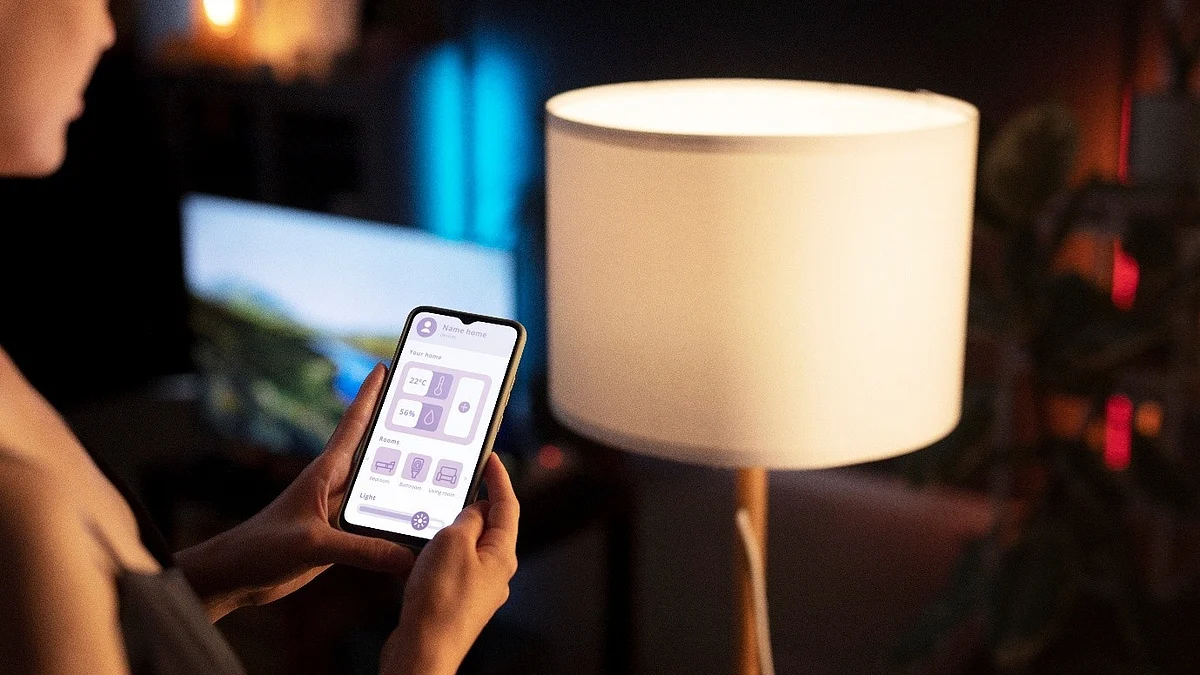
Remote access allowed me to check and switch off compatible lights after leaving home


For a long time, I thought a smart product was simply one that could connect to my phone. If I could switch it on through an app or give it a voice command, I considered it intelligent.
My understanding changed after I started using connected lighting at home. I realised that a genuinely smart product should do more than offer remote control. It should fit naturally into everyday routines, solve practical problems and remain easy enough for everyone in the family to use.
My experience with Wipro smart lighting showed me that intelligence in lighting is not only about technology. It is about making light more personal, flexible and useful.
My First Smart Light
I began with smart bulb in my bedroom. My expectations were fairly basic. I wanted to control the light without getting out of bed and adjust its brightness when I was reading at night.
The convenience was noticeable immediately. Instead of using the same harsh brightness for every activity, I could choose a softer setting before sleeping and a clearer light while getting ready in the morning.
The real difference, however, was not the app itself. It was how naturally the light adapted to different moments in my day. I was no longer forced to accept one fixed setting simply because that was how the bulb had been installed.
That experience made me rethink the meaning of smart lights. A smart light was not just connected. It was responsive.
Control That Feels Useful
Many technology products offer several features, but not every feature improves daily life. What I appreciated about connected lighting was that the controls solved familiar problems.
There were evenings when I reached my bed and remembered that a light was still on in another room. Earlier, I had to get up and check. With connected control, I could switch it off through my phone.
I also started creating simple schedules. The balcony light could turn on around sunset, while the bedroom light could dim at a fixed time at night. These routines reduced the number of small tasks I needed to remember.
To me, this is where Wipro redefined a smart product. Intelligence is not about adding complexity. It is about removing unnecessary effort.
Light for Every Mood
My living room serves many purposes. I work there occasionally, spend time with family, watch films and host guests during festivals.
Before installing smart lighting, the room had one fixed atmosphere after dark. The light was either too bright for relaxation or too dull for focused work.
With Wipro smart lighting, I could change the brightness and colour tone according to the activity. A brighter setting helped when I was reading or organising the room. A warmer tone worked better during conversations or quiet evenings.
During celebrations, colour settings added energy without requiring me to install temporary decorative lights across the room.
More Than One Bulb
After using a smart bulb, I began noticing how different rooms required different types of lighting. A bedroom needed adjustable comfort, but my study area needed wider and more even illumination.
That was when I explored Wipro smart battens and panel lights. They offered the same connected convenience in spaces where a single bulb was not enough.
A smart batten suited the work area because it spread light across a larger surface. A smart panel could support cleaner, more uniform ceiling illumination in other rooms.
Technology That Blends In
I have used products that felt impressive at first but became inconvenient because they required too many steps. Good technology should not demand constant attention.
What worked for me about smart lights was that they continued to function as everyday lights. Family members could use them without needing to understand every feature. The technology stayed in the background until it was needed.
Voice control was useful when my hands were occupied. App control helped when I was away from the switch. Schedules worked automatically once they were set.
This made the experience feel less like operating a device and more like living in a home that understood basic routines.
Smarter Energy Habits
Another change I noticed was in the way I used electricity. Earlier, I rarely questioned whether a room needed full brightness. Once the light was on, it stayed at its fixed output.
With a Wipro smart bulb, I began adjusting brightness according to actual need. A passage required only low illumination at night, while a work area needed brighter light for focused tasks.
Schedules also helped prevent lights from staying on unnecessarily. Remote access allowed me to check and switch off compatible lights after leaving home.
The technology did not automatically change my habits, but it gave me better control. That control encouraged me to use light more thoughtfully.
A System That Can Grow
I did not install connected lighting in every room at once. I began with one bulb, understood the features and gradually expanded to other spaces.
This step-by-step process made the transition practical. I could decide where smart control would genuinely make a difference instead of adding technology without a clear purpose.
Wipro Consumer Lighting range of smart bulbs led battens and panel lights made it possible to build a system gradually. I could begin with a bedroom and later connect the living room, study or kitchen.
When Smart Becomes Meaningful
My experience changed the way I judge intelligent products. I no longer look only at whether something connects to an application or responds to a command.
I ask whether it saves effort, adapts to different needs and remains easy to use over time.
That is what Wipro smart lighting represented in my home. The Wipro smart bulb was not simply a connected version of a regular light. It gave me more control over comfort, mood, routines and energy use.
Join our official telegram channel (@nationalherald) and stay updated with the latest headlines