


What Makes a Car Detailing Franchise Scalable Across Different Indian Cities?
Customers in smaller cities can now research detailing products, compare services and learn about paint protection through digital platforms
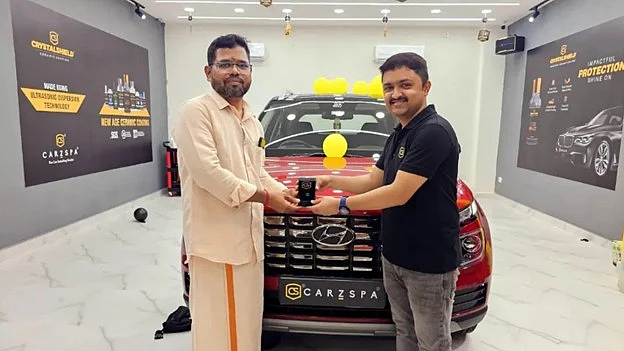


The internet has made Indian car owners more aware of the importance of proper car care and paint protection. As a result, demand for specialised services such as professional detailing, deep interior cleaning, paint protection film (PPF) and ceramic coating is growing beyond major metropolitan markets. For businesses in the automotive aftermarket, this presents an opportunity to reach customers in Tier-2 and Tier-3 cities.
However, expanding across diverse markets involves more than opening new studios. Each city has its own customer expectations, operating costs and workforce challenges. A scalable franchise model must balance consistent service standards with the flexibility to adapt to local market conditions.
A Business Model That Can Adapt to Different Markets
One of the first requirements for scalability is a clear, repeatable business model. A detailing studio needs defined processes for everything from vehicle inspection and surface preparation to product application, quality checks and customer handover.
When these processes depend entirely on the individual experience of the owner or a few skilled detailers, replicating the business becomes difficult. Documented procedures and standardised training make it easier to establish similar service expectations across locations.
This does not mean every studio must operate identically in every respect. The core service standards should remain consistent, while the service mix, pricing and marketing approach can reflect local demand.
Why Tier-2 and Tier-3 Cities Are Becoming Important
For years, organised premium car care services were concentrated largely in major urban centres. Today, growing vehicle ownership, changing aspirations and greater access to automotive information are creating opportunities beyond these markets.
Customers in smaller cities can now research detailing products, compare services and learn about paint protection through digital platforms. As awareness develops, some are looking for professional alternatives to conventional washing centres and general-purpose workshops.
Mr. Deepam Sama, Director of Business Strategy at CarzSpa Detailing Studios, believes the opportunity to expand into smaller markets is linked to changing customer awareness and the ability to establish professional service standards across locations.
“Car detailing is no longer a service that only customers in major metropolitan cities are interested in. People in Tier-2 and Tier-3 cities are becoming more aware of how they can maintain and protect their vehicles, and they are looking for professional services closer to home. For a brand, the opportunity is to make those services accessible without compromising on the quality of work. That requires a model built around training, consistent processes and an understanding of each local market, rather than simply opening more studios.”
The opportunity is particularly relevant where organised detailing options remain limited. However, demand cannot be assumed simply because a city has a large number of cars. Entrepreneurs must evaluate local purchasing power, competition, vehicle ownership patterns and awareness of specialised services before investing.
For franchise networks, entering these markets early can help establish local recognition. Long-term success, however, depends on matching the services offered to what customers are willing to pay for while gradually building awareness of more advanced treatments.
Standardised Training Makes Expansion Possible
Professional detailing is a skill-intensive business. Paint correction requires an understanding of surface conditions and polishing techniques, while ceramic coating and PPF installation demand careful preparation and application.
A franchise network cannot rely solely on recruiting technicians who already possess these skills. It needs a structured approach to training, assessment and continuous improvement so that new teams can deliver consistent results.
Training should cover technical procedures as well as equipment handling, product knowledge, customer consultation and aftercare guidance. Staff must also understand the limitations of each treatment and avoid promising results that a product cannot deliver.
This is particularly important when entering newer markets, where customers may be unfamiliar with the difference between basic cleaning and specialised detailing. Well-trained teams can explain available services clearly, helping customers make informed decisions while building trust in the business.
Operational and Brand Support Beyond the Studio
A franchise's scalability also depends on the support available to individual operators. Selecting a suitable property, planning the studio layout, sourcing equipment, recruiting staff and developing local awareness can be challenging, especially for first-time entrepreneurs.
An established franchise system can provide guidance on these areas, helping owners avoid having to develop every process independently. Support may include location evaluation, setup guidelines, technical training, marketing resources and operating procedures.
CarzSpa, for example, lists support across studio planning, hands-on detailing training, equipment and product knowledge, business management and marketing as part of its franchise offering. Its network of more than 150 studios across India and neighbouring markets illustrates how an organised model can extend beyond a single city. The effectiveness of such support ultimately depends on how consistently it is delivered and applied at each location.
Balancing Consistency with Local Market Needs
Scalability does not mean applying the same commercial strategy everywhere. Rental costs, wages, customer budgets and competitive conditions vary considerably between cities. A franchisee must be able to build a viable business within these local realities.
Service packages and marketing messages may need to differ by location. In markets where awareness is still developing, educational campaigns and demonstrations can help explain the value of professional detailing. In more established markets, customers may already be comparing specialised treatments and looking for advanced protection options.
The franchisor's role is to provide a reliable framework while allowing appropriate local flexibility. Clear brand standards, regular performance reviews and feedback from franchisees can help identify problems early and improve the model as the network grows.
Building a Network That Can Grow Sustainably
The long-term scalability of a car detailing franchise depends on more than its expansion rate. Each new studio must be able to attract customers, retain skilled employees, manage operating costs and deliver services that meet the brand's standards.
Prospective franchisees should assess the investment required, working capital, training commitments, ongoing support and realistic local demand before making a decision. An established brand can provide structure, but it cannot eliminate the commercial risks of running a business.
As professional car care reaches more Indian cities, franchise networks that combine standardised processes with local understanding will be better positioned to expand sustainably. The real measure of scalability is not simply how many studios a brand opens, but whether each one can consistently deliver quality, earn customer trust and build a viable business in its own market.
Join our official telegram channel (@nationalherald) and stay updated with the latest headlines