


What Makes Aegis PPF ‘Built for Indian Roads’?
India presents a demanding environment for a car’s paintwork
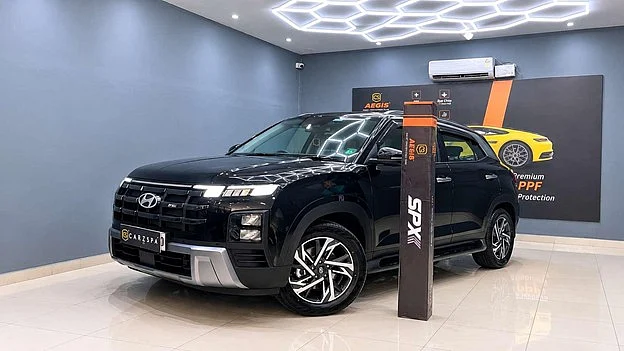


Many established PPF brands were developed in international markets, including Europe, where vehicle usage patterns and environmental conditions can differ from those encountered in India. This does not automatically make imported films unsuitable for Indian vehicles.
Aegis PPF was developed on the premise that paint protection should withstand the conditions Indian vehicles regularly encounter. Its development reflects Aegis Films’ R&D and experience with vehicles across diverse Indian and South Asian conditions, with a focus on creating protection solutions suited to real-world challenges.
Mr. Anckur Sama, founder of CarzSpa Detailing Studios and Aegis Films, believes that local driving conditions should play a central role in the development of paint protection technology.
“When we looked at the realities of driving in India, we felt there was a need to pay closer attention to the combination of heat, humidity, road exposure and everyday wear that vehicles experience here. A film needs to do more than look good when it is first installed; it needs to retain its performance as the car is used.”
How to Pick the Best PPF Brand for You
● Film Material (TPU vs. PVC/TPH): Lower-quality PVC or TPH films may offer less durability and weaker self-healing or anti-yellowing performance than premium alternatives. Look for quality TPU films that offer flexibility, impact resistance and optical clarity. Film performance ultimately depends on its formulation and construction, not just the material category.
● Thickness and Construction: PPF thickness can vary by product, with many films falling within the 180–300-micron range. Some premium options are thicker. However, thickness alone does not determine quality. Ask how the topcoat, adhesive and core layers are engineered and how they contribute to the film’s overall performance.
● Self-Healing Properties: Look for a film with a self-healing topcoat that can reduce the appearance of minor surface scratches and swirl marks under suitable heat conditions. The extent and speed of self-healing vary by product. Deep cuts and significant impact damage generally cannot be repaired through self-healing.
● Optical Clarity and Finish: Choose a film with high transparency and minimal orange-peel distortion to preserve your car’s original paint colour and gloss. Speciality finishes, including matte and stealth options, are also available for owners who prefer a satin appearance.
● Hydrophobic and UV Protection: A quality PPF may offer water-repellent properties that help water bead and make routine cleaning easier. UV resistance is also important to help protect the film and underlying paint from prolonged sun exposure. The degree of protection depends on the film’s formulation and performance.
● Warranty Coverage: Look for a manufacturer’s warranty that clearly explains its duration, coverage and exclusions. Some products offer warranties of five to ten years, but the period varies. Check whether manufacturing defects, discolouration and other concerns are covered, and understand the maintenance requirements.
● Installer Network and Reputation: Installation quality matters as much as the film itself. Look for trained installers, appropriate surface preparation, precise application and clear after-sales support. An established detailing network, such as CarzSpa, can offer access to professional installation and support, subject to the product and applicable warranty terms.
Why Indian Driving Conditions Demand More from PPF
India presents a demanding environment for a car’s paintwork. Intense summer heat, monsoon humidity, dust, pollution, uneven roads, ongoing construction and dense traffic expose vehicles to a combination of challenges that can vary significantly from one city to another.
High temperatures and prolonged ultraviolet exposure can affect a film’s appearance and long-term performance. Dust and airborne contaminants settle on the surface, while construction debris and loose stones can strike the paint during everyday driving. Congested roads and tight parking spaces introduce further risks, including minor scratches and abrasions.
Monsoon conditions add another layer of complexity, with moisture and road contaminants frequently coming into contact with the vehicle’s exterior.
PPF must therefore do more than look clear and glossy immediately after installation. Its performance over time depends on several factors, including film construction, topcoat properties, adhesive quality, installation and maintenance.
How Aegis Films Developed PPF for Indian Roads
Aegis Films’ approach focuses on developing protection solutions with Indian driving conditions in mind. Its product range includes different film constructions and thicknesses intended to meet varying requirements.
● Polycarbonate-TPU Construction: The Aegis XG Series combines polycarbonate and thermoplastic polyurethane (TPU). This material combination is intended to bring together strength, flexibility and optical clarity while supporting protection against everyday road debris. The film’s ability to conform to complex vehicle curves also depends on its construction and installation.
● High-Thickness Variants: Aegis offers different film options for varying protection requirements. Its Ultra 250 and Eternal 300 variants are described as high-thickness options, while the XG and Armor series offer other specifications. Buyers should compare the actual thickness, construction and performance data for each product rather than assuming that a thicker film is always more protective.
● Self-Healing Technology: Self-healing is an important property of modern Paint Protection Film (PPF). Aegis positions its flagship XG Series around improvements in self-healing speed and surface performance. This technology is designed to help minor surface scratches and swirl marks recover over time, maintaining the film's smooth appearance. The brand cites approximately 60% faster self-healing compared with its stated reference films. Actual results depend on the film variant and testing conditions.
● Anti-Yellowing and UV Resistance: Exposure to sunlight, UV radiation and environmental contaminants can affect the appearance of PPF over time. Aegis incorporates features intended to resist yellowing, oxidation and discolouration while helping the film maintain its original clarity. Its DuroFlex topcoat is associated with resistance to yellowing, water spots and chemical contamination. These properties help preserve the film's appearance over extended use, although actual performance depends on the product specification and environmental conditions.
● Enhanced Performance and Optical Clarity: Aegis positions its flagship XG Series around improvements in toughness and optical clarity. The brand cites performance claims of up to three times the toughness of standard TPU and up to 40% higher optical clarity retention over time. These comparisons should be evaluated against the specific reference films, testing methods and conditions used.
● Monsoon and Dust Resistance: Indian vehicles encounter abrasive dust, heavy traffic, road debris and seasonal downpours. A well-engineered PPF should be able to withstand routine environmental exposure while maintaining its protective properties. Appropriate maintenance and correct installation remain essential to preserving the film's appearance and performance.
Engineering Protection Around Real-World Conditions
The future of PPF in India will depend on how effectively manufacturers combine material innovation with an understanding of local driving environments. Indian roads and weather create a varied set of challenges, making thoughtful product development and proper installation essential.
Aegis Films approaches this challenge by developing films with Indian conditions in mind, with the XG Series representing its polycarbonate-TPU innovation. For car owners, the broader lesson is that the right protection is not necessarily the product with the most familiar name or the highest price. It is the film whose construction, performance characteristics and installation quality best match the vehicle’s needs.
Ultimately, paint protection should be judged by how well it serves the car over time, not merely by how it looks on the day it is installed.
Join our official telegram channel (@nationalherald) and stay updated with the latest headlines