Business
Passenger vehicle sales may grow up to 7% in FY26 amid margin pressure
Strong January demand, GST cuts and new launches boost outlook for cars and two-wheelers
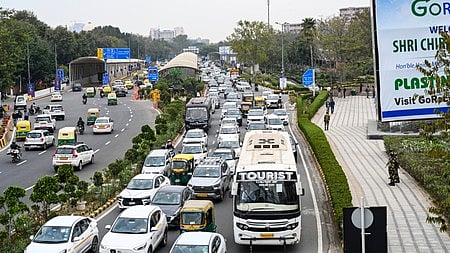
India’s passenger vehicle market continued to expand in early 2026, but industry analysts caution that the growth story is becoming more complex as automakers navigate softer demand in some segments, rising compliance costs and a major shift in consumer preferences.
Retail sales of passenger vehicles rose 7 per cent year-on-year in January, while wholesale dispatches increased 12 per cent to around 4.5 lakh units, according to a report by ICRA. Sequentially, wholesale volumes were up 14 per cent over December, reflecting improved production and sustained domestic demand.
ICRA expects passenger vehicle wholesale volumes to expand by 5–7 per cent in FY26, indicating that the market remains on a growth path. However, this marks a moderation from the strong post-pandemic surge, with demand conditions becoming more uneven.
While overall volumes are holding up, growth has slowed compared with the immediate post-Covid rebound. Rural and entry-level demand remains under strain, and price-sensitive buyers are facing tighter credit conditions and elevated fuel costs. This has made it harder for many households to upgrade from two-wheelers to entry-level cars.
Higher vehicle prices, partly due to added safety features and regulatory requirements, have also affected affordability in the budget segment. Mandatory features such as additional airbags and enhanced safety systems, while improving vehicle standards, have raised entry-level price points and may be tempering volume growth in smaller cars.
Automakers are simultaneously preparing for more stringent emission and fuel-efficiency norms, including upcoming CAFE 2027 standards. Compliance requires higher research and development spending and technology upgrades, increasing cost pressures at a time when pricing flexibility is limited.
Global supply-chain uncertainties, tariff risks and rupee depreciation have further added to input costs, particularly for imported components used in premium and electric models. Some manufacturers also face capacity bottlenecks and sporadic component shortages, potentially delaying launches or creating supply-demand mismatches.
Consumer preferences are evolving rapidly, with buyers increasingly favouring SUVs as well as CNG-powered and electric vehicles. This shift is reshaping product portfolios and compelling original equipment manufacturers (OEMs) to invest heavily in new platforms and electrification strategies, even as they continue to support conventional internal combustion engine (ICE) models.
The transition carries its own risks. While EVs and hybrids are gaining traction, they have yet to fully match the scale and margins of established ICE models, creating short-term investment strain and potential cannibalisation within portfolios.
The two-wheeler segment has shown comparatively stronger momentum. Domestic wholesale volumes rose 25 per cent year-on-year in January to 1.8 million units, while retail sales increased 20.8 per cent, supported by festive demand and improved affordability following GST rationalisation.
For FY26, ICRA projects two-wheeler volumes to grow 6–9 per cent, aided by replacement demand, a gradual recovery in urban consumption and stable rural incomes.
Overall, the domestic automobile sector is expected to maintain steady, though more measured, growth through FY26. Policy support, including GST adjustments and manufacturing incentives, provides a supportive backdrop, but the impact is likely to be gradual and uneven across segments.
In essence, the passenger vehicle industry is entering a preparatory phase: volumes are expanding, yet manufacturers and dealers must balance regulatory deadlines, higher costs and shifting consumer trends within a still-growing but increasingly cautious market.
With IANS inputs
Join our official telegram channel (@nationalherald) and stay updated with the latest headlines