Environment
Doctors advise N95 masks, indoor exercise as Delhi battles high pollution
Health experts urge vulnerable groups to limit outdoor exposure, use air purifiers and continue prescribed medication as winter conditions trap pollutants
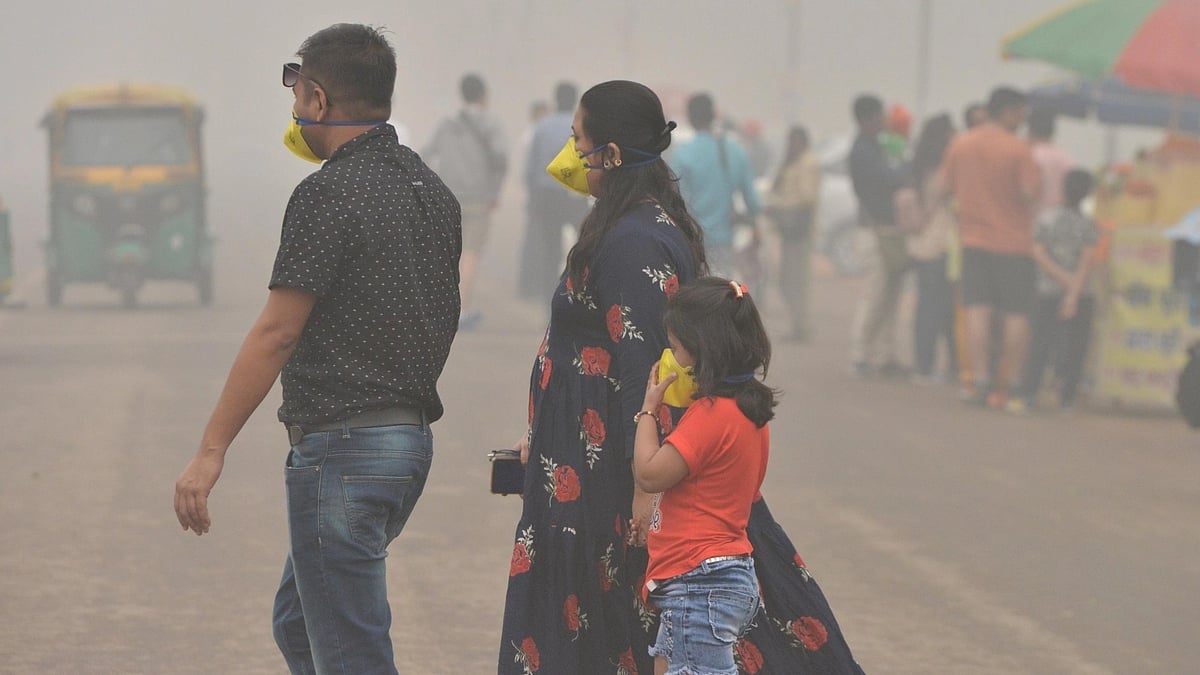
Wear properly fitted N95 masks outdoors, avoid morning and evening walks and shift exercise indoors. These are among the precautions doctors have advised Delhi residents as the national capital continues to grapple with high pollution levels.
Health experts have particularly cautioned children, people above 60 years of age and those with pre-existing respiratory, heart and kidney conditions, saying they are more vulnerable to the effects of polluted air.
Dr Abhinav Bhanot, director of Respiratory and Sleep Medicine at Medanta Hospital, advised people to use N95 masks that adequately cover both the nose and mouth.
He suggested that those exercising outdoors in the early morning or evening shift their routines to later in the morning, when the sun is out, as smog and pollution tend to be more concentrated during these hours.
"People should avoid outdoor exercise when the AQI is high and opt for indoor workouts at a gym or home. Once the AQI drops below 200, they can consider resuming outdoor activities," he said.
Bhanot also recommended installing high-quality air purifiers at home, particularly in rooms where children and elderly family members spend most of their time. Staying hydrated and eating green vegetables were among his other suggestions.
Dr Randeep Guleria, chairman of the Institute of Internal Medicine, Respiratory and Sleep Medicine at Medanta, said children, senior citizens and people with conditions such as asthma, heart disease and kidney ailments were among those most affected by high pollution levels.
He said pollution, which was already high before Diwali, worsened after the festival due to firecrackers, increased vehicular movement as people travelled to meet relatives and distribute gifts, and other emissions.
"People should try to stay indoors as much as possible. If there is fog, smog and poor AQI, they should avoid going outdoors. Work from home, if possible, and avoid outdoor walks and jogging. Exercise indoors where the air quality is good," Guleria said.
He advised people with chronic respiratory or heart conditions to take their medicines regularly and consult a doctor if they experience breathing difficulties, cough, chest tightness, drowsiness or lethargy.
Explaining the seasonal rise in pollution, Guleria said falling winter temperatures prevent pollutants from dispersing into the atmosphere, causing them to remain trapped closer to the ground.
Construction dust, vehicular emissions and smoke from crop residue burning, which disperse more easily during summer, tend to accumulate near the surface in winter, increasing people's exposure to pollutants.
While firecrackers cause an additional spike in pollution during Diwali, the effect is generally short-lived and subsides within a day or two, he said. Several other factors contribute to the deterioration in air quality during winter.
The health advisories come as Delhi's 24-hour average Air Quality Index (AQI) stood at 299 on Tuesday, improving from 344 on Monday. The air quality had remained in the 'very poor' category until Monday.
According to the Air Quality Early Warning System (EWS) for Delhi, PM2.5 and PM10 concentrations are also expected to decline over the next two days.
Of the 58 monitoring stations that recorded data on Tuesday, 28 reported 'very poor' air quality, 28 recorded 'poor' levels and two reported 'moderate' air quality. No station recorded 'severe' air quality.
PM10 was the predominant pollutant in the national capital on Tuesday.
Join our official telegram channel (@nationalherald) and stay updated with the latest headlines