World
Drone-triggered fire hits UAE oil facility as Gulf tensions intensify amid Iran war
Incident follows a similar flare-up just days earlier, when falling debris from an intercepted drone set off another fire at same oil hub
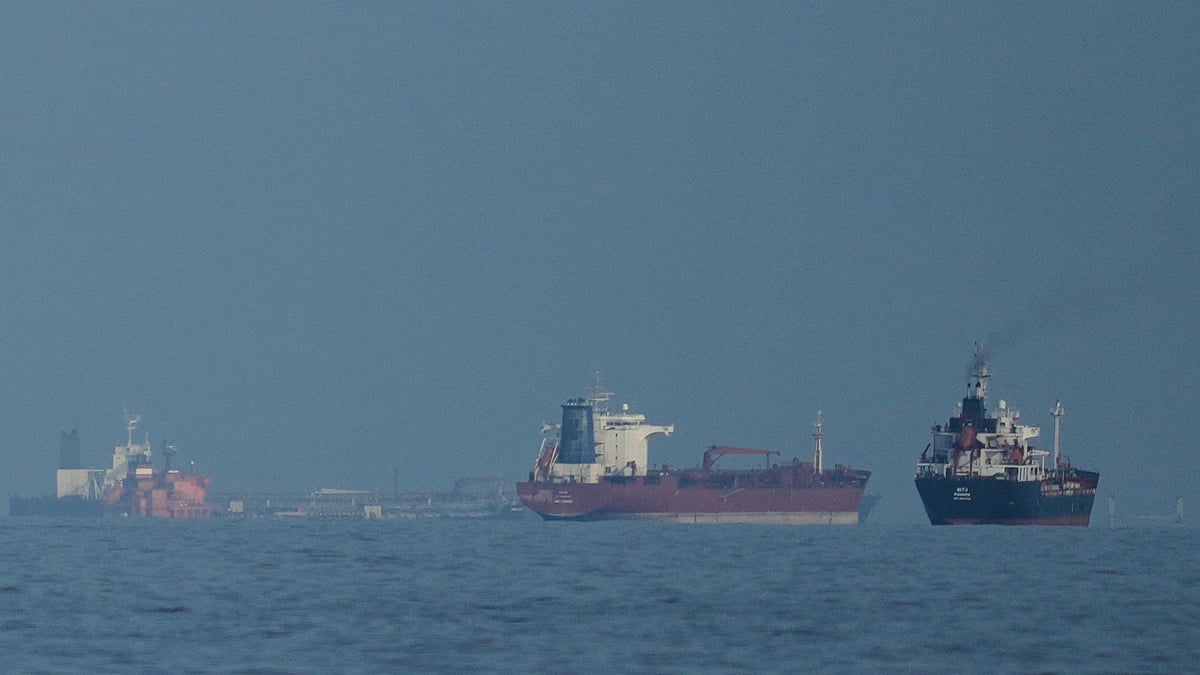
A pall of smoke rose over the eastern coast of the United Arab Emirates as a drone strike ignited a fire at the Fujairah Oil Industry Zone, marking yet another flashpoint in a widening arc of conflict that has engulfed the Gulf, the Al Jazeera reported.
Authorities in Fujairah confirmed on Tuesday that the blaze, sparked at the strategic energy facility roughly 150 km from Dubai, caused no casualties — though it underscored the growing vulnerability of critical infrastructure. The incident follows a similar flare-up just days earlier, when falling debris from an intercepted drone set off another fire at the same oil hub.
Elsewhere, the reverberations of the conflict were felt in Abu Dhabi, where debris from a downed missile struck the Bani Yas area, killing a Pakistani national — a grim reminder that even intercepted threats can carry deadly consequences.
Across the Emirates, air defence systems have been working relentlessly, lighting up the skies as they intercept incoming drones and missiles. The UAE Ministry of Defence said its forces successfully repelled multiple aerial threats, though the barrage forced a temporary shutdown of the country’s airspace, sending ripples of disruption through major transit hubs, the Al Jazeera reported.
At the heart of the escalation lies a widening confrontation, with Iran asserting that Gulf states hosting US military bases have become legitimate targets following joint US-Israeli strikes on Tehran. Yet the fallout has spilled far beyond military sites, with civilian infrastructure — airports, ports, oil facilities, and residential areas — caught in the crossfire.
Since the conflict erupted, Iran has unleashed more than 1,800 missiles and drones on the UAE alone, making it the hardest-hit nation in the region. Across the Gulf, the tally has crossed 2,000 attacks, drawing in neighbours and stretching air defence networks to their limits.
In Qatar, authorities reported a “limited fire” in an industrial area after shrapnel from an intercepted missile rained down, even as explosions echoed across Doha. No injuries were reported, but public safety alerts were issued as civil defence teams rushed to contain the damage.
Saudi Arabia and Kuwait also reported successful interceptions, with drones neutralised before reaching their targets — though the frequency of such incidents has heightened regional anxiety.
In a rare show of unity, the Gulf Cooperation Council condemned what it described as “sinful” attacks, vowing collective resolve to defend their territories.
As the Gulf skies continue to thrum with the sound of interceptions and distant explosions, the region finds itself suspended in a tense, volatile moment — where each strike, intercepted or not, deepens the uncertainty of an already fragile landscape.
Join our official telegram channel (@nationalherald) and stay updated with the latest headlines