World
Lebanon de-confliction cell becomes first test of Iran-US agreement
Pakistan and Qatar announce new mechanism to oversee ceasefire compliance as technical talks continue in Switzerland
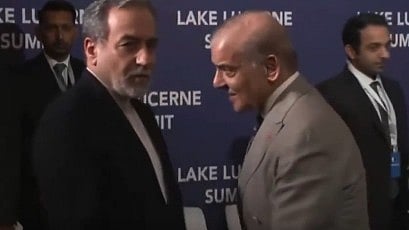
The first real test of the emerging agreement between Iran and the United States to end the Lebanon conflict will come through a newly established de-confliction cell involving Lebanon, Tehran and Washington, mediators Pakistan and Qatar announced on Monday.
The mechanism, unveiled as technical negotiations continued in Switzerland, is designed to ensure adherence to the cessation of military operations agreed under last week's interim deal and prevent a return to hostilities in Lebanon.
In a joint statement, Pakistan and Qatar said the parties had agreed to create a de-confliction cell involving Iran, the United States and the Lebanese Republic, with the mediators facilitating its operation.
"The parties agreed on the creation of a de-confliction cell, between the parties, the Lebanese Republic and facilitated by the Mediators, to ensure the adherence of the termination of military operations in Lebanon," the statement said.
The announcement marks the first concrete operational measure to emerge from the diplomatic process launched following the agreement aimed at ending the conflict. Analysts are likely to view the effectiveness of the de-confliction mechanism as an early indicator of whether the broader peace framework can hold.
The development came as Iranian Foreign Minister Abbas Araghchi claimed that negotiations had made significant headway through mediation efforts led by Pakistan and Qatar.
"Tireless Pakistani and Qatari mediation have delivered major progress to end Lebanon War," Araghchi said in a post on X.
The Iranian Foreign Minister also outlined what he described as key outcomes of the negotiations, including the waiving of restrictions on Iranian oil and petrochemical exports, the lifting of the blockade, the release of some frozen Iranian assets and the launch of a major reconstruction and development programme for Iran.
While details of those measures have yet to be independently confirmed, the remarks signalled growing confidence from Tehran that the diplomatic track is producing tangible results.
Meanwhile, Pakistan and Qatar said technical negotiations between Iran and the United States would continue throughout the week in Switzerland as both sides seek to translate the interim agreement into a more comprehensive arrangement.
"Technical talks will continue for the remainder of the week at the Burgenstock resort on all issues," the mediators said.
The talks are taking place despite continued pressure from US President Donald Trump, who on Sunday maintained a tough stance towards Iran even as negotiations gathered momentum.
The US delegation is being led by vice-president J.D. Vance and includes senior advisers Jared Kushner and Steve Witkoff. Iran's negotiating team is headed by Parliament Speaker Mohammad Bagher Qalibaf and foreign minister Abbas Araghchi.
For now, attention is expected to focus on the Lebanon de-confliction cell, which will serve as the first practical test of whether the ceasefire can be sustained and whether the broader diplomatic process can move beyond declarations towards implementation on the ground.
Join our official telegram channel (@nationalherald) and stay updated with the latest headlines