World
Peace on the ground first, insists Iran, before reopening Strait of Hormuz
Sources close to Iranian negotiating team in Switzerland confirm the strait stays closed unless Israel halts attacks in Lebanon
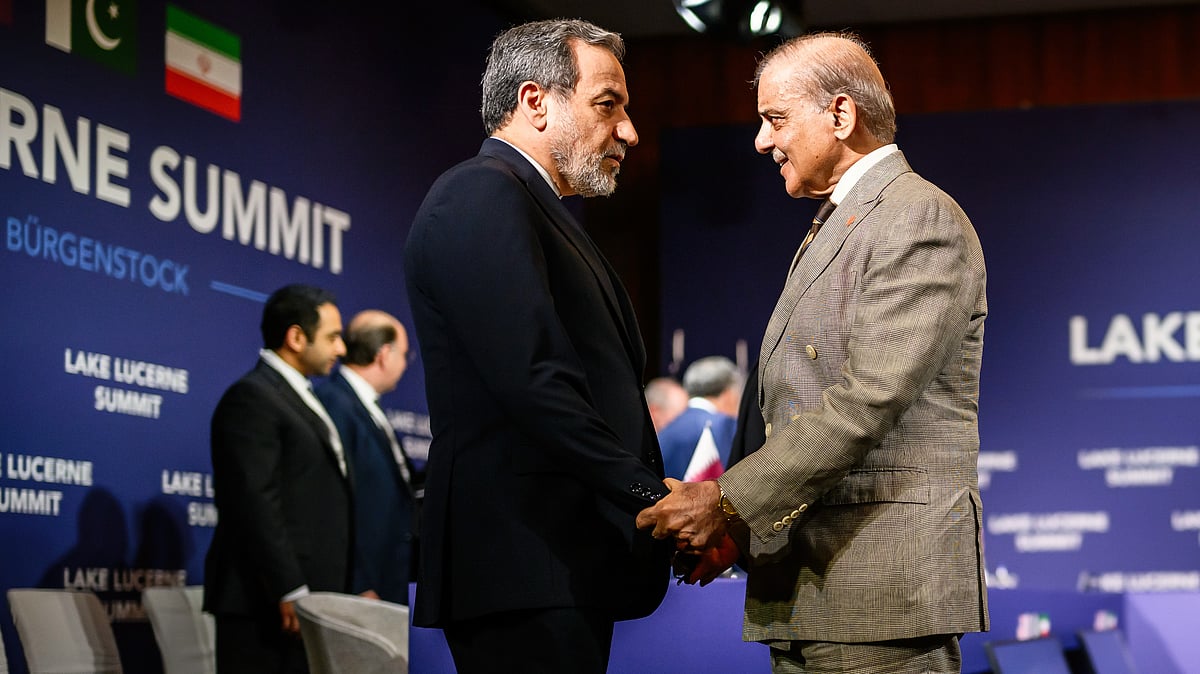
Even as Iranian negotiators and the team led by US vice-president J.D. Vance met for ‘technical talks’ at around 5.00 pm IST on Sunday, 21 June in Switzerland, Iran reasserted its demand that the US force Israel to stop military operations in Lebanon. The Iranian delegation has indicated to its Swiss hosts and Pakistani and Qatari mediators that the Strait of Hormuz will remain closed until the conditions are met.
Contrary to US media reports quoting US administration that the strait is open, maritime navigation data reviewed by MarineTraffic indicated that no vessel has transited since Iran's Khatam al-Anbiya Central Headquarters announced the waterway's closure on Saturday, 20 June.
Iran’s Tasnim news agency also reported that no vessels were permitted to enter or exit the strategic waterway since the closure was announced. HFI Research also confirmed, according to media reports, that so far, only vessels bound for Iranian ports have continued to pass through the area.
Iran’s foreign ministry spokesman Esmaeil Baqaei said in a statement on Sunday that Article 13 of the Memorandum of Understanding makes negotiations on a final agreement conditional on implementing five provisions, including Article 1, which calls for ending the war on all fronts, including Lebanon. The United States has “either been unable or unwilling” to enforce that provision and Israel has continued to violate the agreement, adding that the issue remains the central focus of Sunday’s talks.
The American team’s response is crucial as there are signs that the team will press for more concessions from Iran to placate hawks at home and in Israel, both dissatisfied with the MoU.
Iran, say observers, is being pressed to formally declare an end to its nuclear weapons programme first and agree to inspections of nuclear facilities by the International Atomic Energy Authority (IAEA). Unconfirmed reports from Switzerland held that IAEA chief Rafael Grossi had also arrived in Switzerland.
The Iranian side, however, insisted that there was no role for Grossi in the current Iran–US talks. “The nuclear issue is not on the agenda, Grossi is not present at the negotiations, and no member of Iran’s nuclear team is in attendance,” a negotiator was quoted as saying. Nuclear discussions would begin only if certain agreed provisions are first implemented, he maintained.
In a statement issued from Bürgenstock, the hill resort where the negotiations are being held, Baqaei reiterated that the Iranian delegation is seeking to ensure that the US follows through on its commitments over the long term.
A one-day session is planned, he informed, featuring bilateral meetings with Pakistani and Qatari mediators, followed by quadrilateral talks later on Sunday. Peace on the ground was more important than the agreement on paper, the statement added.
The text of the statement, shared by IRNA, says Tehran has no intention of merely signing a document and expecting the other side to automatically implement it. According to clause 13 of the MoU, the start of negotiations to reach a final agreement is conditional to the implementation of five specific clauses, including the first clause of the document regarding cessation of war on all fronts, especially in Lebanon.
This clause has not yet been fully implemented. Some other clauses of the agreement require preparatory measures, including the release of Iran’s frozen assets and the issuance of necessary permits for Iran’s oil sales, the statement noted.
Join our official telegram channel (@nationalherald) and stay updated with the latest headlines