World
Ukrainian drone attacks force Russia to suspend civilian petrol sales in Crimea
Authorities in Russian-controlled Crimea have suspended petrol sales to civilians after Ukrainian attacks on oil infrastructure intensified
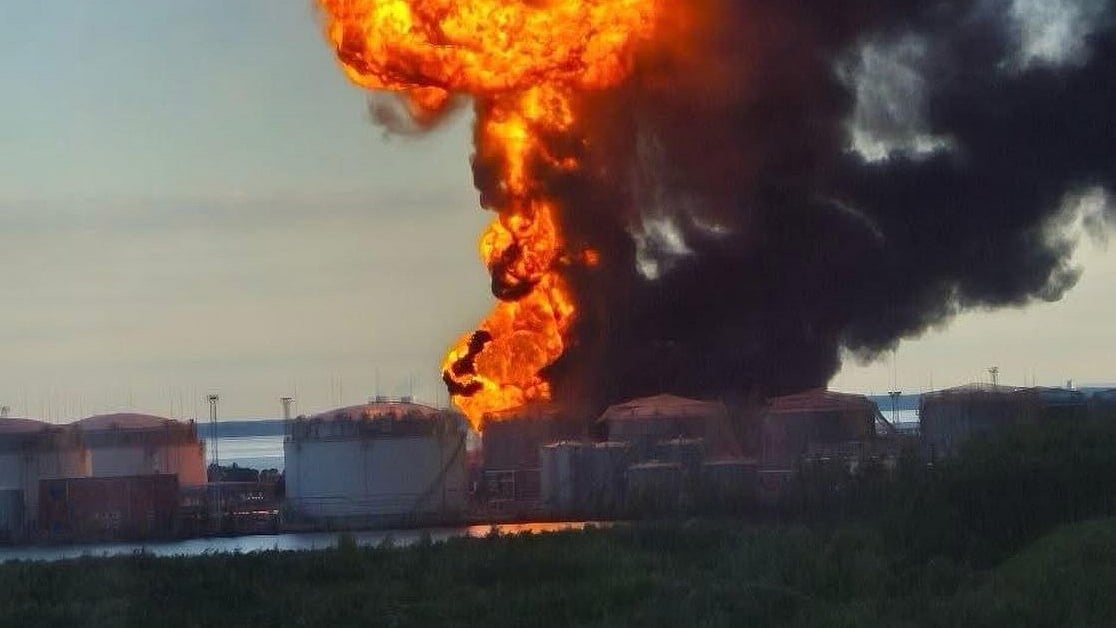
Authorities in Russian-occupied Crimea have suspended civilian petrol sales after Ukrainian attacks on fuel infrastructure intensified, deepening what officials describe as the peninsula's worst energy crisis since its annexation by Russia in 2014.
Sergey Aksyonov, the Kremlin-appointed head of Crimea, said overnight Ukrainian strikes killed four people and injured 28 others, though he did not specify the target of the attack.
In a post on social media, Aksyonov later announced that petrol sales would be restricted exclusively to government agencies.
“Fuel will be sold only to government agencies that ensure the functioning and security of the Republic of Crimea,” he said, urging residents to remain calm and rely on official sources of information.
The move follows weeks of Ukrainian attacks targeting fuel depots, transport facilities and energy infrastructure across Crimea and southern Russia.
Ukrainian President Volodymyr Zelenskyy said a Crimean oil depot and an oil transport facility in Russia's Krasnodar region were among the latest targets. He described the strikes as part of Ukraine's strategy of imposing “long-range sanctions” on Russia's energy infrastructure.
“Russia understands only strength, and our long-range strength is certainly working for peace,” Zelenskyy said.
Russian officials in Krasnodar reported that a drone strike triggered a fire at a Black Sea oil terminal in the village of Chushka. They also said Ukrainian attacks struck a ferry, killing one person.
Motorists struggle to find fuel
Crimea has experienced periodic fuel shortages during the war, but the current disruption is being described as the most severe since 2014.
At the end of May, authorities introduced rationing measures limiting fuel purchases to 20 litres per vehicle per week through a prepaid coupon system. The coupons were reportedly exhausted almost immediately after being released, with motorists queuing for hours at petrol stations.
Social media platforms have been flooded with requests and advice on locating available fuel, while local authorities established a hotline to assist tourists stranded by the shortages.
Some residents have been transporting fuel from Russia's Krasnodar region via the Kerch Bridge, although regulations restrict vehicles to carrying no more than 100 litres. Reports have also emerged of fuel being sold at double the market price through unofficial channels.
In a rare public acknowledgement, the Kremlin has recognised the scale of the crisis and pledged to address the shortages.
The attacks have highlighted Ukraine's ability to target critical infrastructure far from the front lines, even as fighting on the battlefield continues. Ukrainian officials argue that strikes on energy facilities are intended to raise the economic and logistical costs of Russia's military campaign.
Ukraine's latest attacks come as Russia's battlefield advances have slowed significantly in recent months. The strikes have underscored Kyiv's ability to inflict damage deep inside Russian-controlled territory and disrupt critical supply networks supporting Moscow's war effort.
Join our official telegram channel (@nationalherald) and stay updated with the latest headlines