


Crimea: Ukrainian drone strikes disrupt Russian supplies, force fuel rationing
Fuel purchases capped, transport services curtailed after attacks target key logistics links between Russia and annexed peninsula
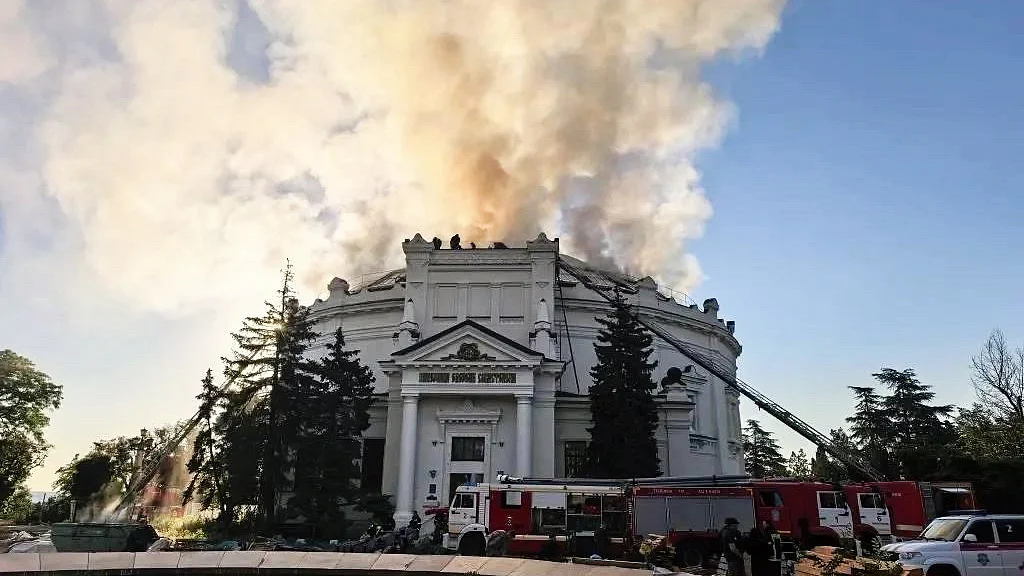


Residents of Russian-controlled Crimea faced fuel rationing on Wednesday, 10 June after a series of Ukrainian drone strikes disrupted supply routes from Russia, according to a Reuters witness.
More than four years after launching its full-scale invasion of Ukraine in 2022, Russia is contending with near-daily Ukrainian attacks on its energy infrastructure. The strikes come as Western sanctions continue to increase the cost and complexity of Russian oil exports, while Moscow presses ahead with its military campaign in Ukraine.
Ukraine has increasingly targeted the two main supply corridors linking Russia to Crimea: the overland route through Russian-occupied areas of southeastern Ukraine, and the Kerch Strait crossing that connects the peninsula to Russia's Taman Peninsula.
According to a Reuters witness, the supply disruptions have had a noticeable impact on daily life. Some stores recently reported shortages of sugar and imposed limits on purchases of buckwheat, a staple food in Russia. While shelves have since been restocked and there are no signs of panic buying, restrictions remain in place for fuel purchases.
Motorists have reportedly faced queues at petrol stations, where purchases are capped at 20 litres per person. Fuel sales are also being monitored through QR codes linked to vehicle registration numbers.
"The 20-litre limit is still in effect," Mikhail Razvozhayev, the Russian-installed governor of Sevastopol, said on Telegram. "I appeal to motorists who go to refuel today: before going to the gas station, check the availability of fuel."
The latest disruption follows another wave of Ukrainian strikes. Local authorities said drones hit a historic museum in Sevastopol overnight, while rail operators reduced the number of trains running during night hours as a precaution.
Crimea has remained at the centre of the conflict since Russia seized control of the peninsula in 2014 following the ousting of Ukraine's pro-Russian President Viktor Yanukovych. Moscow subsequently annexed Crimea after a referendum that Ukraine and most Western countries regard as illegitimate. Though Russia considers Crimea part of the Russian Federation, the annexation is recognised by only a handful of countries.
The peninsula carries deep historical significance for both Russia and Ukraine. It was incorporated into the Russian Empire under Catherine the Great in the 18th century and remained within the Russian Soviet Republic until 1954, when Soviet leader Nikita Khrushchev transferred it to the Ukrainian Soviet Republic.
Ukrainian President Volodymyr Zelenskiy has repeatedly rejected any proposal that would involve surrendering occupied territory and has maintained that Crimea must ultimately be returned to Ukrainian sovereignty.
With agency inputs
Join our official telegram channel (@nationalherald) and stay updated with the latest headlines