Nation
Nepal curbs Indian mangoes over pesticide issues, boosting local growers
Restriction aimed at safeguarding consumers and addressing border inspection gaps, but traders warn of shortages and rising prices
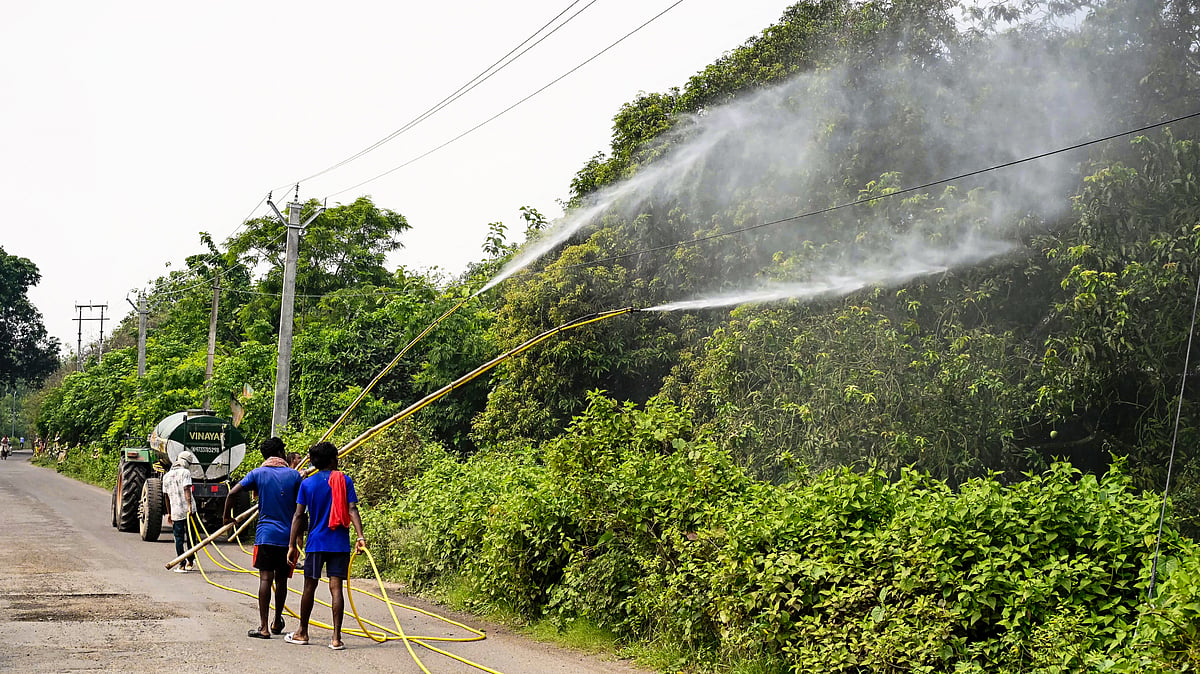
Nepal has restricted the import of mangoes from India, citing concerns over excessive pesticide residues and inadequate quarantine infrastructure along parts of the border, officials said, a move that has provided a boost to domestic growers but raised fears of supply shortages and higher prices.
The restriction has led to locally grown mangoes dominating markets across the country during the peak summer fruit season, when demand for the fruit is at its highest.
Officials said the decision was prompted by concerns that some imported mangoes contained pesticide levels above acceptable limits, as well as the absence of sufficient quarantine and testing facilities in several border regions, particularly in Madhesh province.
Nepal's move also follows a recent setback for Indian mango exports in Japan. In May, Tokyo suspended imports of fresh Indian mangoes after quarantine inspectors found lapses in pest-control and treatment procedures at approved facilities in India. The suspension, affecting popular varieties such as Alphonso, Kesar, Langra and Banganapalli, was the first since Japan reopened its market to Indian mangoes in 2006 after a two-decade ban.
Although the Japanese action was linked to quarantine compliance rather than pesticide residues, it highlighted the increasing scrutiny faced by Indian agricultural exports. Nepal's restrictions, meanwhile, have been justified on grounds of pesticide concerns and inadequate testing infrastructure along the border.
The curbs have been welcomed by local Nepalese farmers, who now face less competition from imported fruit during the harvest season. "The restriction has promoted local production, which is a positive development," said Ajaya Gyawali, information officer at the ministry of land management, agriculture and cooperatives in Madhesh province.
However, Gyawali acknowledged that domestic output may not be enough to meet demand nationwide.
The districts of Siraha, Saptari and Dhanusha in Madhesh are among Nepal's largest mango-producing regions. The country's mango season typically runs from mid-May to mid-July, leaving a limited window for domestic supply.
Gyawali also cautioned that the restrictions could have wider economic consequences, particularly for industries that depend on mangoes as a raw material, including fruit juice manufacturers and food processors.
Traders have expressed concern that local production alone will be unable to satisfy year-round demand. They argue that imports from India remain essential, particularly outside the short domestic harvest season.
Bhuvaneshwar Purbe, general-secretary of the Fruit and Vegetable Traders' Association in Janakpurdham, warned that continued restrictions could create supply gaps in the market. Rather than a blanket ban, he urged authorities to strengthen quarantine systems and permit imports after rigorous quality checks.
According to Purbe, more than 50 tonnes of mangoes sourced from neighbouring districts pass through Janakpurdham and are subsequently transported to Kathmandu and other parts of the country. Even with these supplies, he said, domestic production is unlikely to fully meet national demand.
Traders have also warned of a potential rise in prices if the restrictions remain in place. Mangoes currently retail for around NPR 100 to 150 per kilogram in Kathmandu, but market participants fear prices could climb significantly in the coming weeks.
Consumers have already pointed to the impact of similar import restrictions on other fruits. Following a halt in banana imports from India, prices have reportedly surged from around NPR 120-150 per dozen last year to between NPR 250 and 300 per dozen.
The government, meanwhile, maintains that the restrictions are necessary to protect consumer health and ensure that imported produce meets safety standards. Whether the curbs remain in place is likely to depend on improvements in testing and quarantine mechanisms at border entry points and the outcome of further assessments of imported fruit.
With PTI inputs
Join our official telegram channel (@nationalherald) and stay updated with the latest headlines