Nation
SC refuses to hear plea challenging tax exemption for Scheduled Tribes in Northeast
Apex court says issue falls within legislative domain, asks petitioner to approach Parliament and relevant committees for reforms
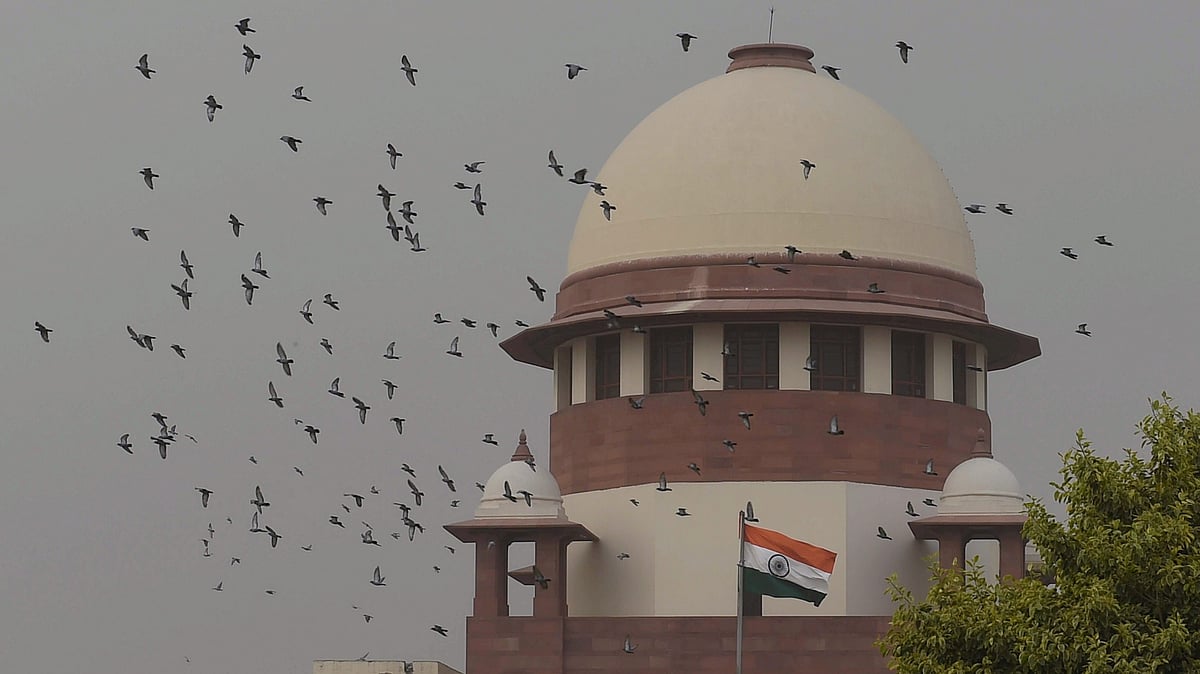
The Supreme Court on Tuesday declined to entertain a public interest litigation challenging the income-tax exemption granted to Scheduled Tribes residing in notified areas of the North-Eastern region, observing that the matter falls within the domain of legislative policy.
A Bench comprising Chief Justice of India Surya Kant and Justice V. Mohana said concerns relating to taxation policy and possible amendments to existing laws should be placed before Parliament and its committees rather than being adjudicated by the judiciary.
"The grievance raised is essentially a legislative issue," the Bench observed, adding that citizens are free to submit suggestions for changes in the law to parliamentary bodies responsible for examining legislative reforms.
The petition, filed by advocate Ashwini Kumar Upadhyay, questioned the constitutional validity of provisions under the Income-Tax Act, 2025 that continue to exempt certain categories of Scheduled Tribes in the North-East from paying income tax.
The petitioner argued that the exemption, originally introduced under the Income Tax Act, 1961 as a protective measure for tribal communities living in geographically remote and economically disadvantaged regions, required reconsideration in light of significant social, educational and economic development witnessed in the region over the past two decades.
According to the plea, the existing framework grants a blanket exemption without imposing any income ceiling, asset-based restrictions, creamy layer criteria or periodic review mechanism, making the provision overly broad and potentially arbitrary.
The petition contended that the absence of such safeguards had resulted in an unequal tax regime and created disadvantages for traders and professionals who do not qualify for the exemption despite operating in similar economic conditions.
As an alternative to striking down the provision, the petitioner urged the court to direct the Centre to introduce a creamy layer mechanism, under which Scheduled Tribe individuals earning above a specified income threshold would no longer be eligible for the tax benefit.
The plea also sought the creation of an expert body to periodically review income limits and assess whether the exemption remained justified in its current form.
However, the Supreme Court declined to examine the merits of the challenge, holding that decisions relating to tax policy and eligibility criteria are matters best left to the legislature.
While disposing of the petition, the court granted liberty to the petitioner to pursue the issue before the appropriate legislative and policy-making authorities.
With IANS inputs
Join our official telegram channel (@nationalherald) and stay updated with the latest headlines