POLITICS
Rahul Gandhi raises farmers’ concerns on US trade deal, poses five questions to Modi
Leader of Opposition alleged agricultural safeguards may be weakened under proposed pact
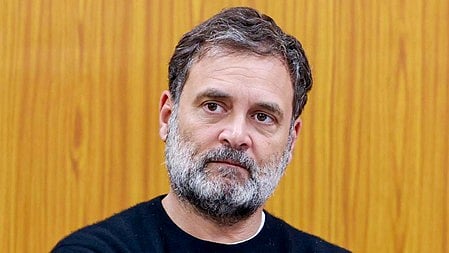
Leader of Opposition Rahul Gandhi has intensified his criticism of the proposed India–US trade arrangement, accusing the government of compromising farmers’ interests and seeking direct answers from Prime Minister Narendra Modi on what he described as five “straightforward” questions.
In a series of posts on social media on Sunday, the Congress MP alleged that Indian farmers were being “betrayed” in the name of strengthening trade ties with the United States. He argued that key aspects of the negotiations could have far-reaching implications for agriculture, particularly in relation to genetically modified (GM) crops and import policies.
Gandhi questioned the implications of allowing imports of distillers’ dried grains (DDG), asking whether such a move would result in Indian cattle being fed grain derived from genetically modified American maize. He suggested this could effectively bind India’s dairy supply chain to the US agricultural system, raising concerns about long-term dependency.
Turning to edible oils and pulses, he warned that permitting imports of GM soya oil could severely affect domestic producers, especially farmers in Madhya Pradesh, Maharashtra and Rajasthan. He asked how growers would cope with another potential fall in prices if cheaper imports entered the market.
The Congress leader also sought clarity on references to “additional products” in the trade discussions, questioning whether this indicated possible future pressure to open up sensitive sectors such as pulses to US imports.
Published: undefined
Gandhi further asked what the removal of so-called “non-trade barriers” would entail. He expressed apprehension that such changes might compel India to soften its stance on GM crops, weaken public procurement systems, or erode the framework of minimum support prices (MSP) and state bonuses that many farmers rely on.
Calling for firm safeguards, he said it was essential to ensure that any initial concessions did not gradually expand in subsequent negotiation rounds. “Once this door opens, how do we ensure it does not widen year after year?” he asked, stressing the need for protections to shield farmers from adverse impacts.
Gandhi concluded by framing the issue as a matter of long-term national interest, arguing that the trade pact should not give another country undue influence over India’s agricultural system.
The government has yet to issue a detailed response to the specific concerns raised.
With IANS input
Published: undefined
Follow us on: Facebook, Twitter, Google News, Instagram, WhatsApp
Join our official telegram channel (@nationalherald) and stay updated with the latest headlines
Published: undefined