


Centre fixes sugar sale quota at 13 lakh metric tonnes for second half of Nov
Duty-free imports of one million tonnes of raw sugar extended until 31 December 2026, to ensure adequate supplies
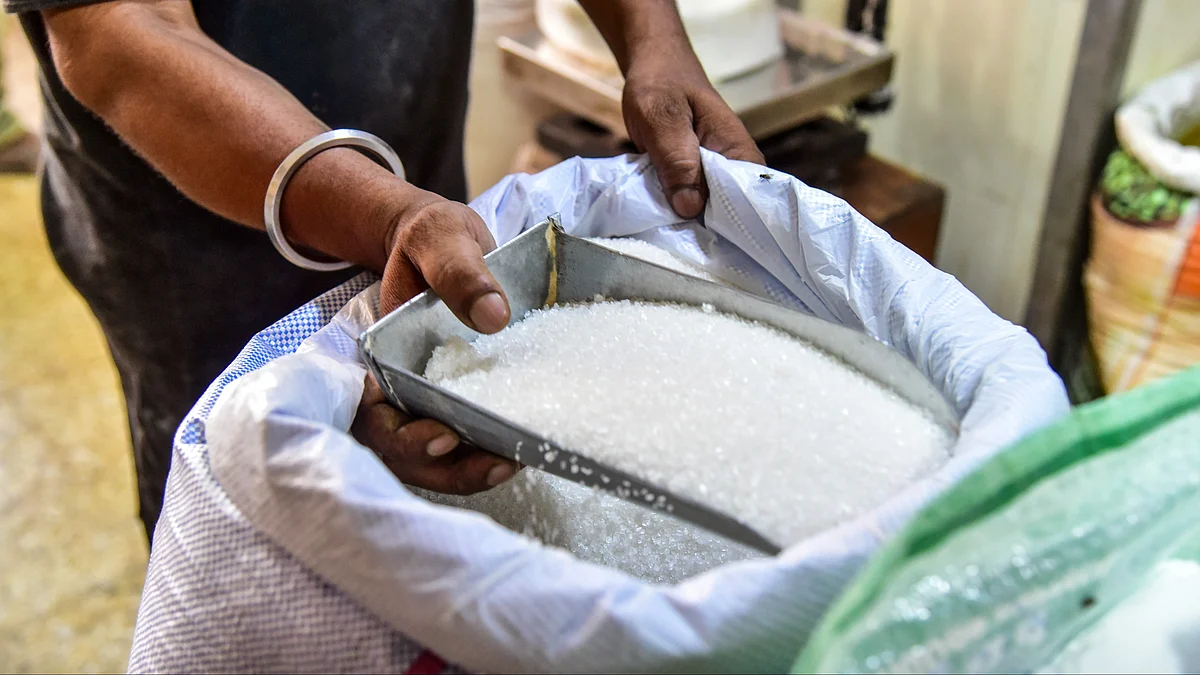


Centre fixes sugar sale quota at 13 lakh metric tonnes for the second fortnight of November, allowing additional sales by mills
Duty-free imports of one million tonnes of raw sugar extended until 31 December 2026, to ensure adequate supplies
Government introduces fortnightly quotas and stockholding limits to curb hoarding and stabilise retail sugar prices
The Centre has fixed the domestic sugar sale quota for the second fortnight of November at 13 lakh metric tonnes, allowing sugar mills to sell additional production during the month to ensure adequate supplies and keep prices under control.
According to an official statement issued on Friday, the Department of Food and Public Distribution has allocated the fortnightly quota for domestic sales at 13 lakh metric tonnes.
The government has also permitted sugar mills to sell sugar produced up to 30 November over and above their allocated quota for the second fortnight of the month. The relaxation applies to mills that began crushing operations in October or started production in November.
Mills that commenced crushing in October have already been allowed to sell the sugar produced during that month in November.
The government introduced a fortnightly sugar allocation system in September 2026, replacing the earlier monthly quota mechanism.
The move aims to prevent artificial price fluctuations, short-selling and hoarding towards the end of each month.
Under the revised system, every sugar mill must sell at least 40 per cent of its allocated fortnightly quota during the first week, with the remaining quantity to be sold in the following week.
The government has introduced these measures to stabilise domestic sugar prices, which had earlier touched Rs 70 per kg in retail markets.
As of 12 November, retail sugar prices across major Indian cities ranged between Rs 61 and Rs 66 per kg, while the all-India average retail price stood at Rs 60.53 per kg.
Separately, the Centre has extended the deadline for duty-free imports of one million tonnes of raw sugar under the Tariff Rate Quota (TRQ) by two months, until 31 December 2026.
The Finance Ministry had initially permitted duty-free imports of one million tonnes of raw sugar until 31 October through a notification issued on 20 August. The deadline was subsequently extended in the last week of October.
The extension is aimed at ensuring sufficient domestic supplies, particularly during the festive season, and providing an additional buffer against any potential rise in prices.
However, imports have remained limited as domestic sugar prices declined following the government's announcement allowing additional overseas supplies.
The government expects the import provision to help contain inflationary expectations and discourage traders from raising prices in anticipation of shortages.
Apart from adjusting sales quotas and allowing duty-free imports, the Centre has introduced several measures to maintain adequate sugar supplies and prevent excessive price increases.
These include imposing stockholding limits on traders to discourage hoarding and ensure that sufficient quantities remain available in the domestic market.
The latest quota allocation and import-related measures form part of the government's broader efforts to stabilise sugar prices and maintain supply during the ongoing festive and crushing seasons.
With IANS inputs