


Gen Z reshapes jewellery buying, but asset appeal remains strong, says new report
Deloitte report finds investment appeal nearly matches equities, with younger buyers driving shift to everyday wear
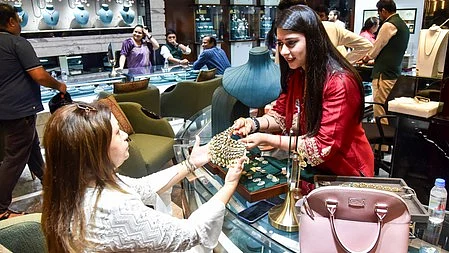


Jewellery continues to hold a central place in Indian household wealth, with 86 per cent of consumers now viewing gold and jewellery as a preferred instrument for wealth creation, almost on par with market-linked products such as mutual funds and equities, according to a new Deloitte India report.
The study suggests that India’s jewellery market is undergoing a structural shift, with consumers increasingly treating jewellery not just as a ceremonial or heirloom purchase but as an everyday expression of lifestyle, identity and value. This evolution is expanding the role of jewellery beyond traditional wealth preservation into a more versatile component of personal portfolios.
More than half of consumers surveyed, 56 per cent, said they see jewellery as both an investment and a fashion accessory, while 28 per cent buy it purely for investment purposes. The remaining segment is increasingly motivated by design, wearability and personal relevance rather than long-term value alone.
The report highlights a clear generational divide. Men and consumers aged 45 and above remain more inclined towards investment-led purchases, while Gen Z and millennials are prioritising style, customisation and versatility. Younger buyers are also actively diversifying their jewellery holdings and shifting towards pieces suitable for everyday use.
Among Gen Z respondents, 51 per cent expressed a preference for silver jewellery and 34 per cent for platinum, signalling growing interest in alternative metals. Nearly half of all respondents said they favour lightweight, minimalist designs over heavy, ornate sets, reflecting a broader move towards affordable, repeatable luxury.
Silver, in particular, is emerging as a strong complementary category to gold. Around 45 per cent of Gen Z and millennials said they prefer investing in silver jewellery, attracted by its contemporary designs, accessibility and lower price points.
“India’s jewellery market is at an inflection point where consumption is no longer defined solely by tradition or price,” said Praveen Govindu, partner at Deloitte India. “It is now shaped by a convergence of wealth creation, self-expression and everyday relevance.”
He added that the next phase of growth will depend on how effectively retailers modernise their offerings without diluting heritage, strengthen omnichannel experiences while maintaining in-store trust, and improve operational efficiency through data-led decision-making.
Traditionally, close to 70 per cent of jewellery purchases in India were linked to weddings, but that dominance is gradually declining. Millennials are increasingly buying jewellery for birthdays and anniversaries, daily and office wear, and career milestones such as promotions and graduations.
Purchases for personal, non-ceremonial occasions are now outpacing traditional sets, with nearly half of consumers preferring rings, chains and earrings for such moments.
Despite the growing influence of digital platforms, the report notes that jewellery remains a high-trust category where physical retail continues to play a decisive role. Looking ahead, Deloitte identifies operational excellence as the next major growth lever for India’s jewellery industry.
With IANS inputs
Join our official telegram channel (@nationalherald) and stay updated with the latest headlines