


HDFC Bank: RBI sees no governance lapses, but chairman’s resignation hits sentiment
Chairman’s resignation over “values and ethics” puts focus on boardroom issues
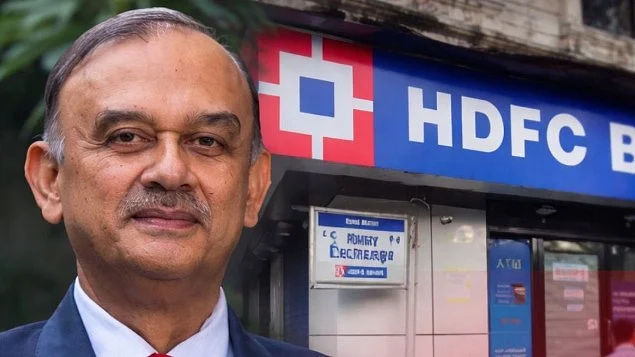


Shares of HDFC Bank came under pressure after the abrupt resignation of its part-time chairman Atanu Chakraborty, even as the Reserve Bank of India moved to reassure investors that the lender remains fundamentally sound. The episode has nonetheless raised concerns around governance and internal dynamics at India’s largest private-sector bank.
The resignation of Chakraborty has drawn attention primarily because of the reasons cited. In his letter, he referred to certain developments within the bank over the past two years that were not aligned with his personal values and ethics, without offering specific details. The absence of clarity has fuelled speculation and unsettled investors, particularly as he had only recently been reappointed for a term running until 2027.
In response, the RBI sought to calm market nerves, stating that it has found no material concerns regarding the bank’s conduct or governance. It emphasised that HDFC Bank remains well-capitalised, financially stable and backed by a professional board and management team. The regulator also approved a temporary leadership arrangement and indicated it would continue to engage with the bank’s board.
Following the resignation, Keki Mistry has been appointed interim part-time chairman for three months. A long-time insider, Mistry said he would not have accepted the role if it conflicted with his principles, while also suggesting that the RBI’s swift approval reflects confidence in the bank’s functioning.
Despite these reassurances, the market reaction was sharp. HDFC Bank’s shares fell significantly, at one point marking their steepest decline in over a year, while its US-listed shares also slipped. The broader banking index weakened as well, highlighting the stock’s weight in the sector. Analysts say the sell-off has been driven more by uncertainty than by any confirmed wrongdoing.
Key concerns flagged by market participants include:
Lack of clarity on the reasons behind the chairman’s exit
Possible internal differences within the leadership
Risk of a higher “governance premium” being attached to the stock
At the same time, there is no indication of any deterioration in the bank’s fundamentals. Its capital position remains strong, liquidity is adequate and operations continue as normal. The RBI’s assessment reinforces this view, suggesting the issue is largely about perception at this stage rather than performance.
The development also comes against the backdrop of the bank’s merger with HDFC Ltd, a $40 billion deal completed during Chakraborty’s tenure that created a financial services giant. In his resignation letter, he noted that the full benefits of the merger are yet to materialise, indicating that integration remains ongoing.
Looking ahead, investors are likely to focus on a few key triggers:
Greater clarity from the board on the circumstances of the resignation
The appointment of a permanent chairman
Upcoming leadership decisions, including the CEO’s tenure
Continued regulatory engagement by the RBI
While the central bank has struck a reassuring tone, the episode underlines how governance-related uncertainties, even without concrete allegations, can quickly affect market sentiment and valuations.
With PTI, IANS inputs
Join our official telegram channel (@nationalherald) and stay updated with the latest headlines