


Middle East conflict could trigger global economic shock, warns Qatar energy minister
Saad al-Kaabi says Gulf exporters may suspend energy deliveries as oil prices could surge to $150 a barrel
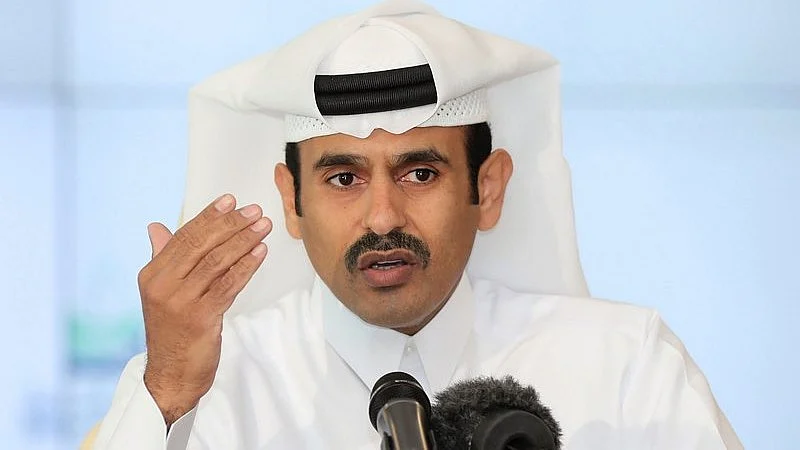


The ongoing conflict in the Middle East could trigger a major global economic shock if it continues for several weeks, Qatar’s energy minister Saad al-Kaabi has warned, cautioning that energy exporters in the Gulf may be forced to halt supplies and declare force majeure.
In an interview with the Financial Times, Kaabi said energy producers across the Gulf region could suspend deliveries if hostilities persist, as security risks and logistical disruptions make normal operations impossible.
“Everybody that has not called for force majeure we expect will do so in the next few days that this continues,” Kaabi said. “All exporters in the Gulf region will have to call force majeure.”
He added that companies failing to suspend contractual deliveries during the crisis could face legal liabilities if they are unable to fulfil supply commitments.
The warning came after Qatar, the world’s second-largest exporter of liquefied natural gas (LNG), declared force majeure earlier this week following a drone strike on its Ras Laffan industrial complex, the country’s largest LNG facility.
According to Kaabi, authorities are still assessing the damage caused by the attack and it remains unclear how long repairs may take. Even if the conflict were to end immediately, he said it could take weeks or months for normal export operations to resume.
“Our ships are all over the place,” Kaabi said, noting that only six or seven vessels from Qatar’s fleet of 128 LNG carriers are currently available to load cargo.
Energy markets could face further disruption if maritime traffic through the Strait of Hormuz remains restricted. The narrow waterway, which connects the Persian Gulf to international shipping routes, handles roughly one-fifth of global oil and gas shipments.
Kaabi warned that crude oil prices could climb to about $150 a barrel within two to three weeks if tankers continue to avoid the strait. Natural gas prices could also surge to around $40 per MMBtu if supply disruptions persist, nearly four times the levels seen before the conflict began.
Shipping activity through the route has slowed considerably since the United States and Israel launched strikes on Iran, according to reports. Several vessels have reportedly been attacked, insurance costs have soared and shipping companies have grown increasingly reluctant to operate in the region.
The conflict could also delay Qatar’s major expansion project at the North Field gas reservoir, a $30bn development aimed at boosting the country’s LNG production capacity from 77 million tonnes per year to 126 million tonnes by 2027.
Kaabi acknowledged that the timeline for the expansion would inevitably be affected by the ongoing hostilities. The first additional production from the project had been scheduled to begin in the third quarter of this year.
Beyond the energy sector, Kaabi warned that prolonged disruption to Gulf exports could have significant global economic consequences.
“This will bring down the economies of the world,” he said, adding that higher energy costs would affect growth worldwide.
He also cautioned that supply interruptions could ripple across industries that rely on Gulf exports of petrochemicals and fertiliser feedstocks, potentially causing shortages and production stoppages in multiple sectors.
QatarEnergy halted production after receiving warnings from the military about potential attacks on offshore facilities. Around 9,000 workers were evacuated from operational sites within 24 hours following the strike.
Kaabi said production would only resume once military authorities confirm that hostilities have fully ceased and facilities are no longer under threat.
Despite declaring force majeure, he rejected suggestions that the disruption would harm Qatar’s reputation as a reliable energy supplier. Kaabi argued that customers would recognise that the suspension of deliveries was the result of extraordinary circumstances beyond the country’s control.
He also noted that it would be impossible to replace Qatar’s export volumes on the global market, given the scale of its production.
Join our official telegram channel (@nationalherald) and stay updated with the latest headlines