


Air pollution can turn toxic for body and mind, warn doctors
Anxiety is rising, panic-like symptoms are sharpening, and mental well-being is fraying under the weight of poisoned skies
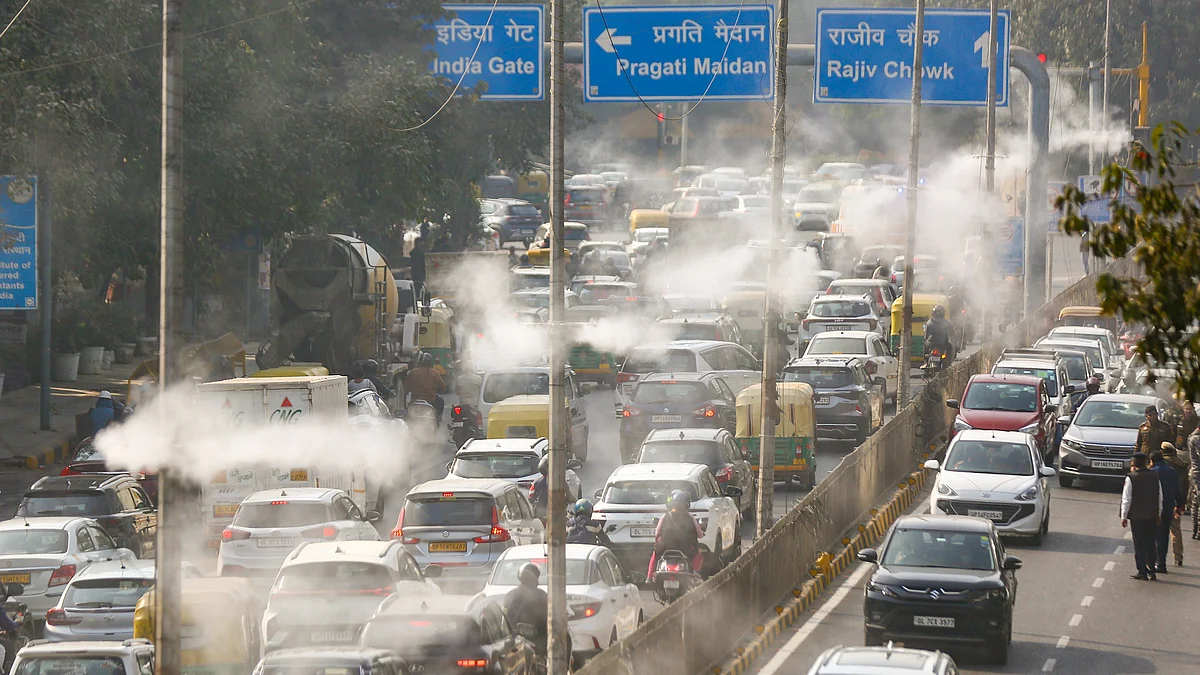


A new global air-quality ranking has cast a stark, unsettling spotlight on India, revealing that the country now hosts nearly two dozen of the world’s 30 most polluted cities — a grim reminder of a crisis that deepens with each passing season.
In Delhi, where a grey, choking haze once again swallowed the skyline, doctors on Friday issued a sobering warning: the capital’s toxic air is no longer merely corroding the lungs — it is infiltrating the mind. Anxiety is rising, panic-like symptoms are sharpening, and mental well-being is fraying under the weight of poisoned skies.
The Central Pollution Control Board (CPCB) logged an average AQI of 323 at 8 am, placing Delhi squarely in the “very poor” category as residents awoke to smudged horizons and a dawn that felt heavier than breath itself.
“Pollution harms far more than the lungs or heart,” said Dr. Nand Kumar, professor of psychiatry at AIIMS. “When air quality declines, oxygen levels dip. The brain receives less oxygen, weakening its function and causing emotional detachment. This directly affects mental health.”
New Delhi once again retains the unwelcome title of the world’s most polluted capital in 2025, its skyline trapped beneath a stubborn, ashen canopy. Beyond the capital, the list reads like a map of distress: Byrnihat in Meghalaya, Mullanpur in Punjab, and the industrial belts of Faridabad and Ghaziabad — all recording PM2.5 concentrations that soar far beyond global safety limits.
With 22 Indian cities dominating the world’s 30 worst performers, the report sketches a portrait of a nation gasping for breath. Each figure is not just a statistic but a warning flare urging decisive action, cleaner air, and a future where millions can breathe without fear.
What was once dismissed as a seasonal nuisance has hardened into a relentless, year-round threat — particularly for children, pregnant women, the elderly, and those living with chronic respiratory or cardiac illnesses. For people already carrying the burden of psychiatric conditions, the danger is even sharper.
Early-winter smog, noted Dr. Astik Joshi — a child, adolescent, and forensic psychiatrist — can deeply disturb mental equilibrium.
“Individuals with mood disorders or sensitivity to seasonal changes suffer the most,” he said. “Poor air quality triggers breathlessness and erratic breathing — sensations that easily heighten anxiety or precipitate panic-like episodes.”
Prolonged exposure, he added, may aggravate seasonal affective disorder (SAD), ushering in fatigue, irritability, and low moods as the smog thickens.
Adding weight to the crisis, more than 80 Padma awardee doctors issued an extraordinary national advisory on Thursday, declaring that India’s air pollution emergency has escalated into an “ongoing threat to human life.” The numbers they cited are chilling:
• 1.7 million deaths in India each year are linked to air pollution
• One-third of respiratory deaths stem from toxic air
• Nearly 40 per cent of stroke-related deaths are tied to pollution exposure
• North India’s PM2.5 levels often soar 20–40 times above WHO’s safe limit
• 70 per cent of Indians breathe unsafe air daily
• Toxic air is linked to four lakh child deaths annually
Long-term exposure, they warned, can cause chromosomal breakages, telomere shortening, and genetic instability — pathways to cancer, metabolic disease, and severe, irreversible health decline.
Doctors urged citizens to shield themselves: monitor AQI levels, wear masks outdoors, use air purifiers, improve ventilation, and avoid outdoor exertion during pollution peaks.
“Regular indoor exercise, a nutrient-rich diet, and timely psychiatric care,” Dr. Joshi advised, “can help soften the mental health burden of living beneath polluted skies.”
As the haze settles ever deeper over Delhi, one message rings unmistakably clear: India’s toxic air is no longer just dimming the horizon — it is dimming lives.
With agency inputs
Join our official telegram channel (@nationalherald) and stay updated with the latest headlines