


India to pursue phased-down use of fossil fuels: Env Min amid ethanol controversy
Environment minister says India will continue expanding renewable energy while balancing energy security, climate goals and development needs
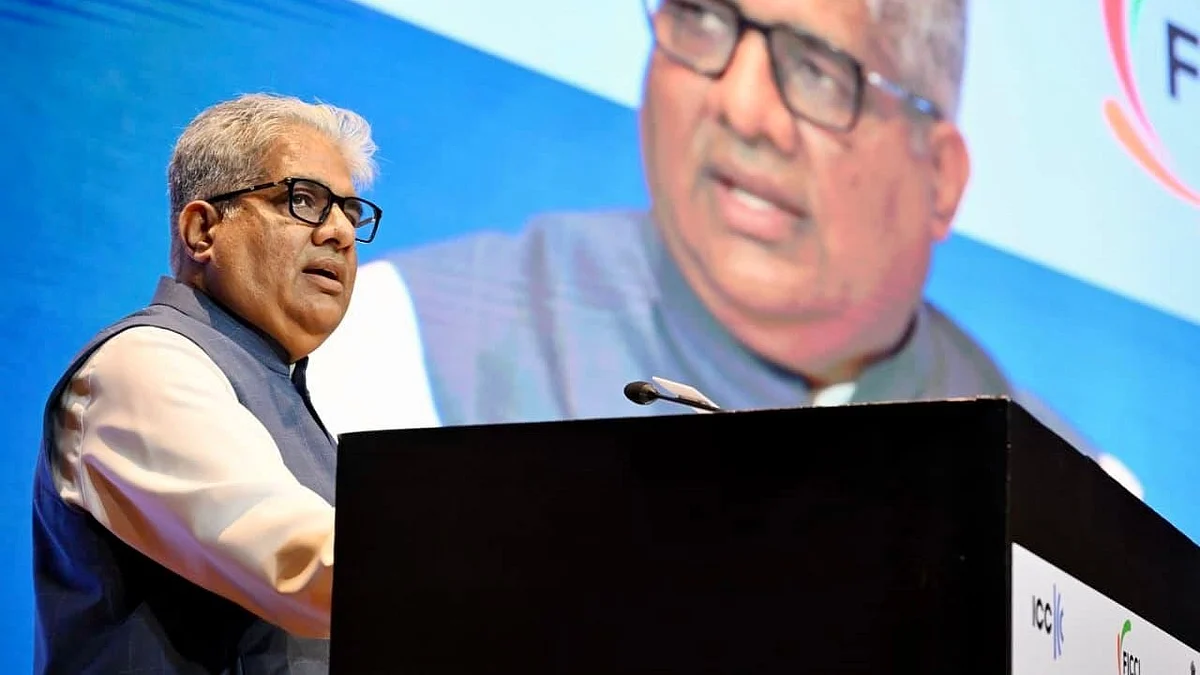


Fossil fuels should be "phased down" rather than "phased out" as countries transition towards cleaner energy, Union Environment, Forest and Climate Change Minister Bhupender Yadav has said, asserting that the shift cannot happen overnight for developing economies like India.
Speaking at the BT India's Most Sustainable Companies 2026 Summit, Yadav said India has consistently advocated a gradual reduction in fossil fuel use while expanding renewable energy capacity and ensuring energy security.
"We have always maintained that, at present, no country can function without energy, and access to energy is a fundamental right of every citizen. However, this transition cannot happen overnight. Therefore, when India has represented the interests of the Global South, we have consistently argued that in the case of fossil fuels, there should not be a 'phased-out' but rather 'phased-down'," he said.
Yadav said India was steadily moving towards clean energy through initiatives such as the National Green Hydrogen Mission.
Citing the International Renewable Energy Agency, he said India has become the world's second-largest producer of solar energy and has increased its renewable energy capacity by 53 per cent.
Referring to a recent assessment by the United Nations Framework Convention on Climate Change (UNFCCC), Yadav said India's progress in renewable energy since the 2015 Paris Agreement had received global recognition.
Also Read: Time for India to go solar
On India's continued dependence on coal, the minister said no country was completely free from fossil fuel dependence and stressed that India's per capita energy consumption remained significantly lower than that of developed countries.
"People often tell us that India ranks fourth in pollution. We respond that they should look at per capita consumption," he said.
Yadav said India remained committed to meeting its Nationally Determined Contributions through expansion of renewable energy, carbon sinks and emission reduction measures.
He also highlighted government efforts to promote green growth through carbon credit mechanisms, green credit initiatives and support for climate-focused start-ups.
On climate adaptation, the minister said the government was working on a comprehensive adaptation strategy while promoting behavioural change through Mission LiFE, covering energy conservation, water conservation, food conservation, solid waste management, elimination of single-use plastics and healthy lifestyles.
Yadav said the government was also implementing a National Cooling Action Plan focused on behavioural changes, strengthening cooling infrastructure and improving coordination between the Centre and states to address rising temperatures.
Addressing air pollution, he said the government was focusing on cleaner vehicle fuels, financial incentives for cleaner commercial vehicles, smart traffic management and dust control measures, including planting native grasses and shrubs in open spaces.
On climate finance, Yadav highlighted initiatives such as sovereign green bonds, carbon credit mechanisms, the International Solar Alliance, the Coalition for Disaster Resilient Infrastructure, the Leadership for Industrial Transition initiative and the International Biofuel Alliance.
Calling for greater private sector participation, the minister urged companies to invest a portion of their profits in research, innovation, skill development and capacity building.
"In the future, good technology, strong skills and enhanced capacity will provide the solutions," he said.
Join our official telegram channel (@nationalherald) and stay updated with the latest headlines