


European gas prices jump 45% as Qatar halts LNG output after regional escalation
Dutch TTF benchmark surges amid supply fears; Strait of Hormuz disruption adds to volatility in global energy markets
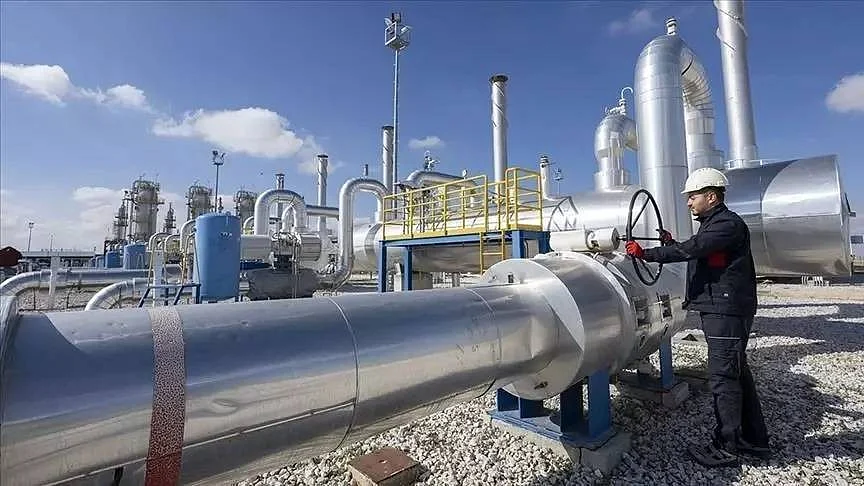


European natural gas prices surged by 45 per cent on Monday after Qatar halted liquefied natural gas (LNG) production linked to its North Field facility following an attack, intensifying concerns over global energy supplies amid escalating hostilities in the Middle East.
The benchmark European gas contract traded on the Dutch TTF (Title Transfer Facility) hub — Europe’s main virtual marketplace for wholesale gas trading — rose by as much as 45 per cent to about €46 per megawatt-hour in early afternoon trading. The TTF benchmark serves as the reference price for much of Europe’s gas supply. In the United Kingdom, prices on the NBP (National Balancing Point) benchmark, the country’s main gas trading hub, also climbed sharply in tandem with continental markets.
Traders cited heightened volatility, with prices swinging sharply within minutes, reflecting uncertainty over supply flows from the Gulf region.
QatarEnergy said it had suspended LNG production connected to the North Field, the world’s largest natural gas reservoir, after its facilities were struck. LNG, or liquefied natural gas, is natural gas that has been cooled to a liquid state for easier storage and transport by specialised tankers. Qatar is one of the world’s largest LNG exporters, supplying key markets in Europe and Asia.
The disruption comes against the backdrop of US and Israeli strikes on Iran, which have raised tensions in a region that accounts for a significant share of global oil and gas production.
Markets are also closely monitoring developments in the Strait of Hormuz — a narrow maritime passage between Iran and Oman that is one of the world’s most critical energy chokepoints. A chokepoint refers to a narrow transit route through which large volumes of trade pass, making it vulnerable to disruption. Roughly a fifth of global oil consumption and a substantial share of LNG exports, including shipments from Qatar, transit through the strait.
Iran has moved to block traffic through the Strait of Hormuz following the strikes, raising concerns about potential interruptions to seaborne oil and gas supplies. Any sustained disruption could have implications for global energy prices, inflation and economic growth, analysts said.
Join our official telegram channel (@nationalherald) and stay updated with the latest headlines