


Iran advances plan to charge ships for Hormuz passage
Move comes as shipping through the strategic waterway remains near a standstill
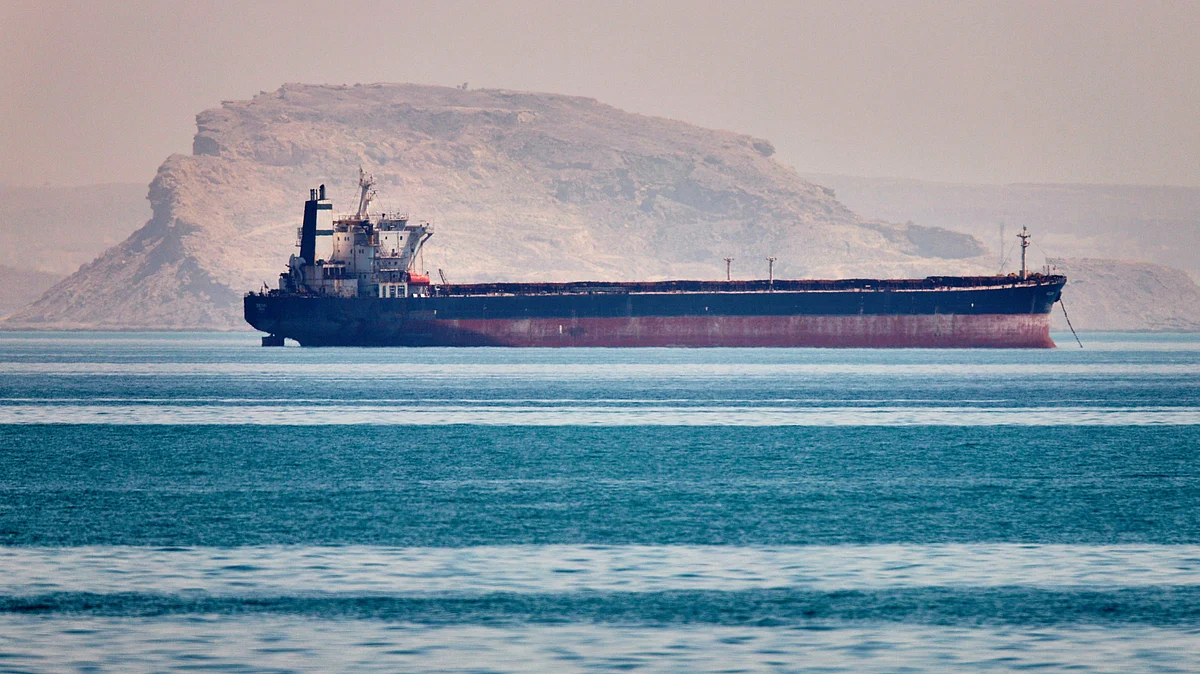


Iran’s parliament has advanced a plan to charge vessels authorised to transit the Strait of Hormuz for maritime services, as Tehran seeks to formalise greater control over the strategic waterway amid the continuing standoff with the United States.
The National Security and Foreign Policy Committee of Iran’s parliament approved Article 3 of a draft law titled the “Strategic Action Plan to Ensure the Security and Development of the Strait of Hormuz”, Iranian state media reported.
The provision would allow Iran to collect fees for navigation, environmental services, fuel supplies in special circumstances, insurance, security and other services provided in the strait. The charges would apply to vessels from countries authorised to pass through the waterway and could be paid in Iranian rials or another currency designated by Tehran.
Iranian officials say the legislation recognises freedom of navigation under international law while also asserting the security and sovereign rights of the countries bordering the strait. The measure still needs to be approved by the full parliament and subsequently reviewed by Iran’s Guardian Council before it can become law.
Hormuz traffic remains near standstill
The move comes as commercial traffic through the Strait of Hormuz remains dramatically below pre-war levels.
Fewer than 20 commodity vessels crossed the waterway over the weekend, according to ship-tracking data. Four vessels transited on Sunday and 13 on Saturday, although the figures could change because some ships had switched off their tracking transponders.
UK Maritime Trade Operations data showed that only 89 vessels exited the strait and 103 entered during the week to August 21. AIS-detected traffic was around 90 per cent below pre-conflict levels.
The strait is one of the world’s most important energy chokepoints, linking the Persian Gulf with the Gulf of Oman. Its disruption has sharply reduced the movement of crude oil, petroleum products and liquefied petroleum gas.
Since July 6, UKMTO has recorded 23 incidents involving projectile strikes that caused damage to vessels in and around the waterway.
Iran has now also warned that vessels violating its transit arrangements could face fines, detention or confiscation.
The newly established Persian Gulf Strait Authority said vessels deemed non-compliant could be placed on a restricted list. Ships involved in ship-to-ship transfers or transshipment with vessels on that list could also face restrictions.
Hormuz remains central to US-Iran dispute
Control over the waterway has become one of the biggest obstacles to ending the nearly six-month-old war between Iran and the US and Israel.
Washington has demanded the reopening of the strait and a return to unrestricted shipping. Tehran, meanwhile, has sought to retain control over traffic and establish rules governing which vessels can pass.
The latest parliamentary move therefore goes beyond simply raising revenue: it signals Iran’s intention to institutionalise its role in regulating the waterway even if diplomatic efforts eventually restore some commercial traffic.
Iranian Foreign Minister Abbas Araqchi said on Sunday that the US threat of further sanctions reflected desperation and would fail to force Tehran to surrender.
He called for negotiations based on “justice and honour”, while insisting that previous military and economic pressure had not achieved Washington’s objectives.
Tehran threatens wider oil shutdown
The confrontation is also moving into a new economic phase.
US Treasury Secretary Scott Bessent is due to announce a fresh package of sanctions targeting Iran and countries and entities that continue doing business with Tehran. He has described the campaign as the “greatest financial offensive ever marshalled” against an adversary.
Iran has threatened to retaliate by stopping oil exports from the Gulf if the economic pressure continues.
Mohsen Rezaei, secretary of Iran’s Supreme National Security Council, said that if the “economic war” continued, not a single drop of Iranian oil would be exported through Hormuz or elsewhere in the Persian Gulf. He also warned that Iran would regard countries supporting the US economic campaign as having committed an act of war.
Iran’s foreign minister, meanwhile, said Washington should engage Tehran respectfully rather than impose further pressure.
Join our official telegram channel (@nationalherald) and stay updated with the latest headlines