


Iran rejects US-Israel presence as Washington keeps door open to talks
Iraq warns of oil export losses as Strait of Hormuz disruptions hit revenue
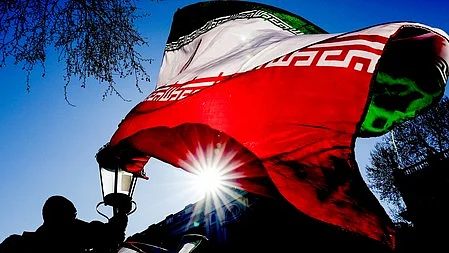


IRGC rejects US-Israeli presence, warns of retaliation; Washington keeps nuclear talks open
Iraq warns of oil export losses as Hormuz disruptions hit revenue
US targets Iranian airlines; Iran Air says Najaf flights will continue
Iran’s Islamic Revolutionary Guard Corps (IRGC) says the United States and Israel must accept a West Asia free of what it described as their “vile and criminal presence”, as tensions remain high amid the ongoing conflict, the Al Jazeera reported.
In a statement carried by Iranian state media, the IRGC said its forces were prepared to respond to any further aggression. The comments came as Tehran continued to reject US and Israeli military pressure and warned of a prolonged confrontation.
At the same time, US ambassador to the United Nations Mike Waltz said Washington remained open to diplomacy. Waltz said President Donald Trump was determined to prevent Iran from acquiring a nuclear weapon and would continue applying “maximum pressure” towards that goal. He added that the door remained open for Iran to return to the negotiating table if it did so “in good faith”.
The conflict is also putting further pressure on Iraq’s economy and energy exports. Iraqi Prime Minister Ali al-Zaidi has warned of major revenue losses as disruptions to shipping through the Strait of Hormuz affect the country’s oil exports. Iraq has been seeking alternative routes to reduce its dependence on the strategic waterway, with US companies previously signing agreements worth about $60 billion with Baghdad, including projects aimed at developing alternative oil-export routes.
Meanwhile, Washington is tightening pressure on Iran’s aviation sector. US treasury secretary Scott Bessent said Iranian airlines would effectively be shut out of international operations from 23 September, with countries and companies providing services to sanctioned Iranian carriers facing potential US penalties.
Iran Air, however, said it would continue scheduled flights from Tehran, Mashhad and Isfahan to Najaf in Iraq despite the US sanctions threat. Iraq has also moved to suspend flights by Iranian airlines in response to Washington’s measures, according to officials cited by AFP.
The developments come as international attention remains focused on the Strait of Hormuz, where shipping traffic has fallen sharply amid the conflict. Reuters reported that only 17 commodity vessels crossed the strait over one recent weekend, compared with 37 the previous week and a pre-war average of about 125 vessels a day.
With Tehran warning against further attacks and Washington maintaining both military and economic pressure while leaving the possibility of negotiations open, diplomatic efforts are likely to remain a key focus during the UN General Assembly in New York.
Join our official telegram channel (@nationalherald) and stay updated with the latest headlines