


Iran threatens to halt West Asia energy exports as US steps up strikes
US strikes kill at least seven Iranian troops and wound more than 260 people
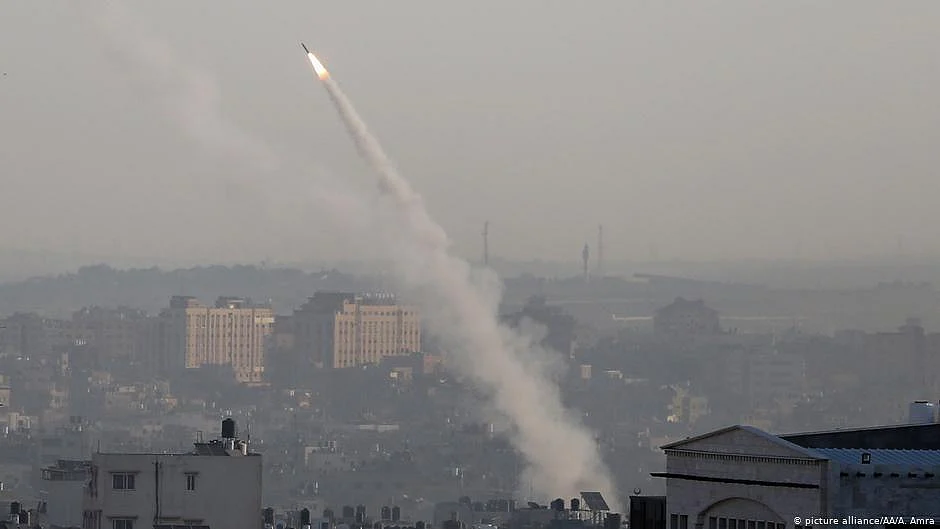


Dubai, 15 July: Iran on Wednesday threatened to halt all energy exports from the Middle East after the United States reimposed a naval blockade and intensified airstrikes on the country in retaliation for Tehran's attacks on ships attempting to pass through the Strait of Hormuz.
American strikes hit an Iranian army barracks, killing at least seven troops and wounding more than 260 people across the country, according to Iranian officials.
Days of retaliatory strikes by the US and Iran across the Middle East, coupled with renewed threats involving a waterway crucial to global energy supplies, have unravelled an interim deal aimed at ending the conflict and raised fears of a return to all-out war.
The US first imposed a blockade in April before lifting it last month after signing an interim deal that paused fighting and established a 60-day period for negotiations on issues including Iran's nuclear programme.
Those talks have since stalled as fighting over the Strait of Hormuz has intensified.
When the US and Israel launched the war against Iran on 28 February, Tehran effectively closed the strait to shipping traffic, sending prices of oil, fertiliser and other goods soaring and giving Iran significant leverage in negotiations.
Iran's paramilitary Revolutionary Guard on Wednesday threatened to halt all energy exports from the Middle East in response to the renewed blockade.
"The export of oil and gas from the region will be either for everyone or for no one," it said.
US, Iran exchange strikes
The US carried out a wave of strikes against dozens of targets over seven hours overnight, US Central Command said. American forces later resumed strikes during daylight, signalling an increasing tempo of attacks.
One strike targeted a barracks of Iran's 388th Mechanised Infantry Brigade, which operates tanks and armoured vehicles, in Sistan and Baluchestan province, Iranian state television reported.
The US fired at least 13 missiles in the attack, killing seven people, including conscripts and career soldiers, and wounding several troops, according to the report.
More than 30 people have been killed in recent days, Iranian government spokesperson Fatemeh Mohajerani said, without providing further details.
Hossein Kermanpour, a spokesperson for Iran's Health Ministry, said more than 260 people were wounded in overnight strikes alone — a significantly higher figure than in other recent rounds of fighting between Iran and the US. He did not specify the number of people killed overnight.
Iran's army vowed "a decisive response to this aggressive action by the American enemy", according to state television.
Missile alerts sounded in Bahrain and Kuwait early on Wednesday as the countries faced incoming Iranian fire. Jordan said it shot down three Iranian missiles.
Iran claimed attacks on Bahrain, Kuwait and Jordan, all of which host US forces.
US Navy Admiral Brad Cooper, commander of US Central Command, said Iran had launched dozens of missiles and drones at neighbouring Gulf Arab countries.
US President Donald Trump told Fox News on Tuesday night that further American strikes against Iran would take place over the next two days and warned that bridges and power plants could be targeted by next week unless negotiations resumed.
"You better make a deal, or you're not going to have anything left," Trump said.
Iran's ambassador to the United Nations, Amir Saeid Iravani, accused Washington of aggression.
"The US is the aggressor, not the victim," he wrote to the head of the world body, according to Iran's state-run IRNA news agency.
Strait of Hormuz at centre of conflict
The latest fighting is focused on the Strait of Hormuz, through which about a fifth of the world's oil and natural gas trade passes during peacetime.
Reopening the strait has remained a major challenge for Washington since Iran restricted shipping traffic in the early days of the war.
During the interim agreement, some vessels began using a route near Oman overseen by the US military and outside Tehran's control.
Iran has attacked ships using the route in recent days, triggering further retaliatory attacks. The US has threatened to reopen the Strait of Hormuz by force, although experts say such an operation could require a significantly larger naval deployment or tens of thousands of ground troops.
The renewed blockade is another attempt by Washington to increase pressure on Tehran.
Brent crude, the international oil benchmark, traded above USD 85 a barrel on Wednesday, more than 15 per cent higher than before the war but still below the nearly USD 120 reached at the height of the conflict.
When Trump announced the return of the blockade on Monday, he also proposed imposing a 20 per cent fee on ships passing through the strait. He later dropped the plan, citing requests from US allies in the Persian Gulf.
"They said we'd love to do it a different way. We'd love to invest in the United States with billions and billions of dollars," Trump told reporters at the Oval Office on Tuesday.
It remains unclear whether the proposed investments would represent new commitments beyond those announced following Trump's visit to the Middle East last year.
Charging ships to pass through the Strait of Hormuz would have marked a departure from longstanding US policy and previous commitments that the waterway should remain open to all vessels without tolls.
Under the interim agreement, Iran had agreed to allow free passage through the strait for 60 days, although the deal did not specify arrangements beyond that period.
Tehran maintains that it has the right to manage traffic and potentially impose fees, a position disputed by Washington.
Regional mediators, meanwhile, continue efforts to bring the US and Iran back to the negotiating table.
Join our official telegram channel (@nationalherald) and stay updated with the latest headlines