


Iran war to hit global growth; IMF, World Bank outlook casts shadow on India
Higher oil prices, inflation risks may impact India; emerging markets face slowdown
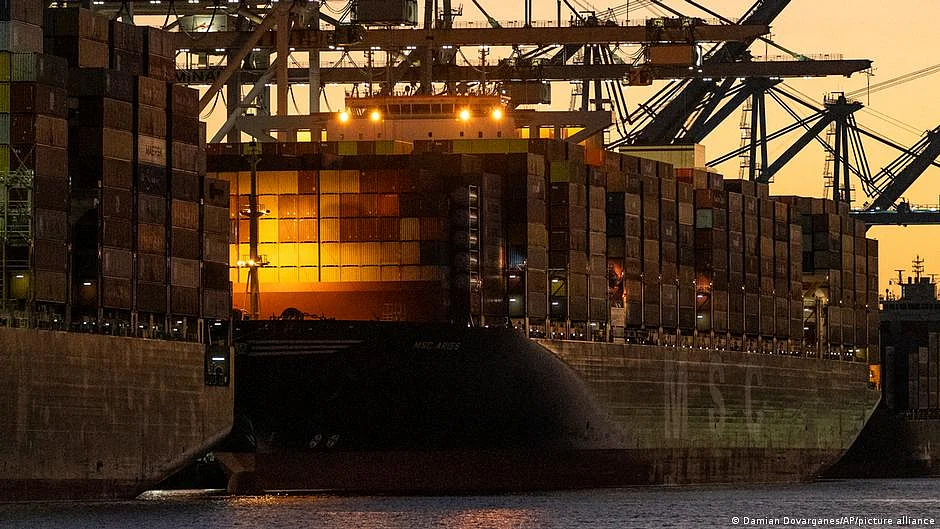


The ongoing conflict in the Middle East is expected to slow global growth and push up inflation, with adverse implications for India as international financial institutions prepare to revise their forecasts at upcoming meetings.
Top officials from the International Monetary Fund and World Bank are set to downgrade global growth projections and raise inflation estimates, warning that the war has triggered a fresh economic shock after the COVID-19 pandemic and the Ukraine conflict.
India angle: oil, inflation, growth risks
For India, a major importer of crude oil, rising energy prices linked to the conflict could increase inflationary pressures and widen the current account deficit.
Higher oil prices typically feed into domestic fuel costs, transport expenses and overall inflation, potentially complicating monetary policy decisions.
Economists say prolonged disruptions, especially around key routes such as the Strait of Hormuz, could further strain supply chains and raise import costs for India.
Global growth downgrade
The World Bank’s baseline estimate for emerging markets and developing economies has been revised down to 3.65 per cent growth in 2026, from an earlier projection of 4 per cent.
In a prolonged conflict scenario, growth could fall further to 2.6 per cent, while inflation in these economies is expected to rise to 4.9 per cent, with a potential spike to 6.7 per cent.
The IMF has also warned that the war could push an additional 45 million people into acute food insecurity if disruptions continue.
Also Read: Survival sense in the time of war
Pressure on emerging economies
Emerging markets, including India, may face tighter financial conditions as global uncertainty rises.
Higher energy costs, rising debt levels and slower trade growth could weigh on economic recovery, particularly for countries dependent on imports and external financing.
Global institutions estimate that low-income and energy-importing countries may require between $20 billion and $50 billion in emergency support.
Policy challenges
Experts say governments, including India’s, may need to balance inflation control with growth support.
Broad-based subsidies could fuel inflation, while targeted measures may be required to cushion vulnerable sections from rising prices.
World Bank President Ajay Banga described the situation as “a shock to the system”, noting that global coordination remains difficult amid geopolitical tensions.
Debt and fiscal pressures
Analysts said many countries entered this phase with weaker fiscal buffers and higher debt levels than in previous crises.
This could limit the ability of governments to respond through large-scale stimulus measures.
Calls have been made for debt restructuring, targeted aid and reforms to support economies facing stress.
The IMF and World Bank meetings in Washington come at a time when global economic recovery remains uneven.
The Middle East conflict adds a new layer of uncertainty, with its impact expected to be felt across energy markets, trade flows and inflation — factors that could have a direct bearing on India’s economic outlook.
Join our official telegram channel (@nationalherald) and stay updated with the latest headlines