


ISI deploys psychologists in evolving honey-trap operations targeting Indian officials
Intelligence officials say trained operatives spend months studying personal vulnerabilities before seeking sensitive information or introducing malware
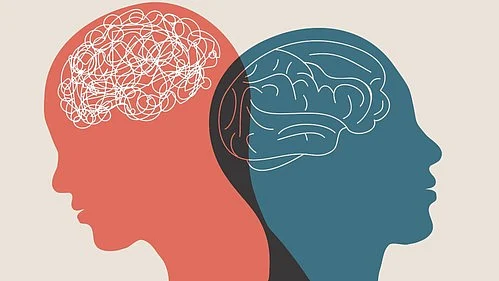


Pakistan’s Inter-Services Intelligence is allegedly using trained psychologists to identify and manipulate Indian officials with access to sensitive information, according to Indian intelligence officials concerned about the evolving nature of honey-trap operations.
Officials said the number of such cases reported in India has continued to grow despite repeated security advisories. The networks are increasingly believed to rely on psychological profiling and emotional manipulation rather than financial inducements or intimidation.
According to an Intelligence Bureau official, psychologists engaged for these operations create social media accounts using fabricated female identities and search for potential targets. They study officials’ posts, messages and online behaviour to assess their personalities, emotional state and personal difficulties.
Individuals who use social media to express frustration, loneliness or dissatisfaction are considered particularly vulnerable. Once a target has been identified, the operative initiates contact and presents herself as sympathetic and attentive, gradually building an emotional connection.
The process may continue for two to three months before the target’s confidence is secured. The relationship is then allegedly used to extract sensitive information or persuade the individual to install applications on official or personal devices.
Indian agencies suspect that several such applications contain spyware or malware capable of accessing and transmitting confidential data. Officials claimed that some of the malicious software deployed through these networks was of Chinese origin.
The latest modus operandi marks a departure from traditional honey-trap operations that depended largely on money, threats or overt romantic inducements. Intelligence officials said the focus has shifted towards identifying psychological weaknesses and exploiting intimacy, attraction and emotional dependence.
Trained psychologists are considered particularly effective in such operations because they can interpret online behaviour, identify vulnerabilities and tailor conversations to the emotional requirements of individual targets.
By the time a victim recognises the manipulation, officials said, sensitive material may already have been shared through digital communication channels or compromised through data-stealing software installed on a device.
The alleged expansion in the recruitment of psychologists for such networks has caused concern among Indian security agencies. Officials warned that personnel continue to engage with suspicious online accounts and install unverified applications despite regular alerts about honey traps, social engineering and cyberespionage.
Indian agencies are expected to intensify sensitisation efforts and digital-security monitoring as hostile intelligence networks adopt increasingly sophisticated methods to target officials entrusted with confidential information.
With IANS inputs
Join our official telegram channel (@nationalherald) and stay updated with the latest headlines