


Israel warns Iranians against train travel, hints at expansion of civilian targets
Advisory issued in Farsi amid fresh strikes; Iran retaliates as ceasefire talks stall
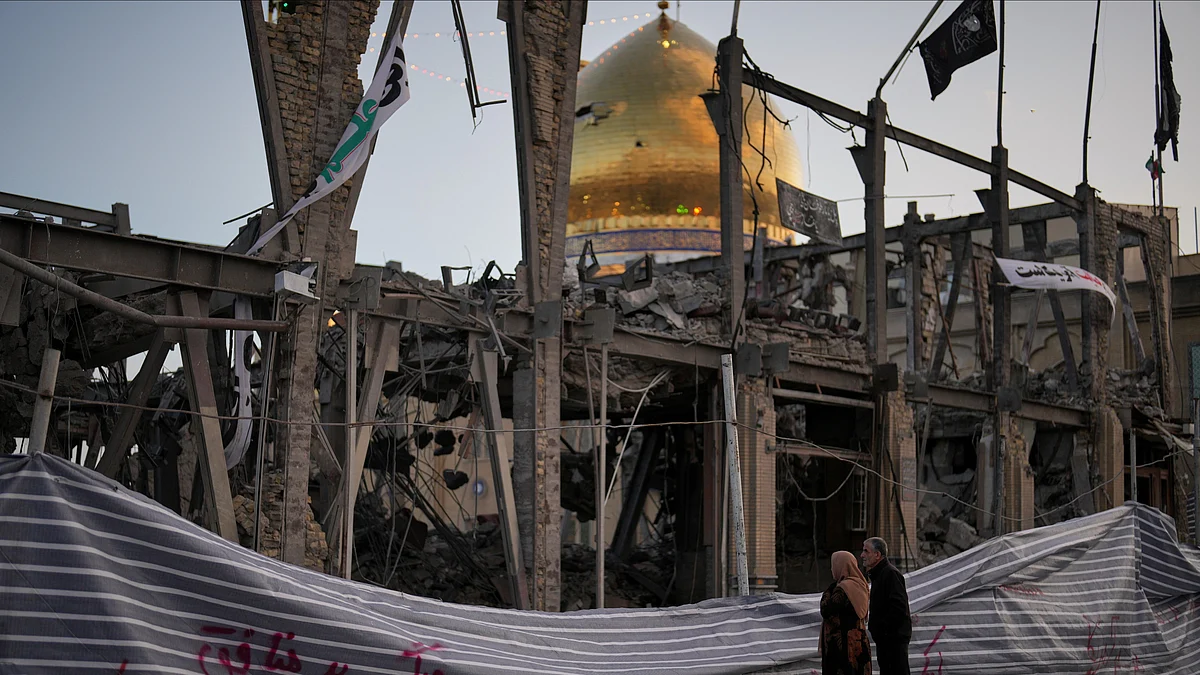


Israel has warned people in Iran against travelling by train, signalling a possible expansion of targets as hostilities between the two countries intensified.
In a message posted in Farsi, the Israeli military advised civilians to avoid trains and railway infrastructure across Iran, saying their presence near such locations could put lives at risk.
“For your safety, we ask you to refrain from using trains or travelling by train… Your presence on trains and near railway tracks puts your life in danger,” the advisory said.
The warning came hours after Israeli forces carried out a fresh wave of strikes in Iran early on Tuesday.
Iran responded with missile attacks targeting Israel and parts of the Gulf region, underscoring the widening scope of the conflict.
Limited information access
Authorities in Iran have restricted internet access for weeks, making it difficult for many citizens to receive such advisories directly.
However, Farsi-language satellite channels operating from outside the country continue to broadcast developments, allowing information to reach the public.
The development comes amid a diplomatic deadlock, with Iran rejecting a US-backed 45-day ceasefire proposal and insisting on a permanent end to the war with security guarantees.
US President Donald Trump has set a deadline for Iran to restore shipping through the Strait of Hormuz, warning of expanded strikes on infrastructure if Tehran fails to comply.
The conflict, now in its sixth week, has spread beyond Iran and Israel, with missile activity reported across the Gulf.
Saudi Arabia said it intercepted multiple missiles launched from Iran, with debris falling near energy installations. Authorities temporarily shut the King Fahd Causeway, a key link between Saudi Arabia and Bahrain, following the incident.
Rising tensions
The ongoing escalation has raised concerns over civilian safety and regional stability, particularly as both sides continue to expand the scope of military operations.
There are no immediate signs of de-escalation, with diplomatic efforts yet to produce a breakthrough.
Join our official telegram channel (@nationalherald) and stay updated with the latest headlines