


Kosovo heads to snap polls with political deadlock set to persist
Analysts say 28 December election is unlikely to break the impasse that has paralysed governance in Europe’s youngest nation for nearly a year
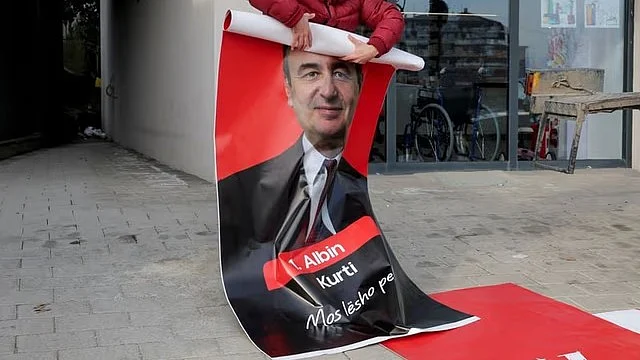


Kosovo goes to the polls on Sunday amid widespread scepticism that the snap election will resolve the political stalemate that has gripped the country since an inconclusive vote earlier this year.
The Hindu reported through AFP that the Balkan state has remained in limbo since the February election, in which Prime Minister Albin Kurti’s Vetevendosje (VV) party emerged as the single largest force but failed to secure enough seats to form a government. Months of fruitless negotiations left parliament paralysed, prompting the caretaker prime minister to call fresh elections.
Political observers, however, expect little to change. Economist Mehmet Gjata said the vote was unlikely to deliver a clear outcome, predicting that Kurti’s party would once again lead the results without achieving a governing majority. Political analyst Fatime Hajdari echoed the view, saying VV was likely to top the poll but that the broader picture would remain uncertain.
Kurti remains Kosovo’s most recognisable political figure. Once known for his radical activism and imprisonment, he led VV to a landslide victory in 2021, winning more than half the vote in the strongest electoral showing since Kosovo declared independence from Serbia in 2008. His mix of nationalist rhetoric and reformist promises has resonated with voters in a country whose sovereignty continues to be challenged by Belgrade.
Yet analysts believe the political landscape has shifted. Gjata warned that VV was unlikely to repeat its earlier success, raising the prospect of another hung parliament. Major opposition parties have repeatedly ruled out joining a Kurti-led coalition, making prolonged fragmentation in the legislature a real possibility.
Former foreign minister and opposition figure Enver Hoxhaj said the only viable alternative would be close coordination among the three main opposition parties, arguing that such cooperation was essential to restore stability.
Kurti’s hardline stance against Serbian influence in Kosovo has been central to his appeal at home, but controversial abroad. His government has worked to dismantle Serbian-run institutions in the north of the country, where most ethnic Serbs live, a move welcomed by supporters but condemned by Belgrade.
The tensions have led to clashes in recent years and prompted sanctions from the European Union, while the United States has accused his administration of fuelling instability.
Despite international criticism, analysts say many Kosovars view the extension of state authority in the north as a significant achievement. Opposition parties have largely avoided taking a clear position, while the Serb List, a Belgrade-backed party that dominates the seats reserved for ethnic Serbs, has vowed to work against Kurti’s return to power.
The prolonged deadlock has taken a heavy toll. Several international agreements remain unratified, placing hundreds of millions of euros in foreign assistance at risk. Two national elections and a local poll have already cost the cash-strapped country tens of millions of euros this year, while more than a dozen state institutions are operating without permanent leadership.
Gjata described the impact on the economy as severe, blaming political divisions for what he called months of effective paralysis. Hajdari warned that ordinary citizens were paying the price, stressing that Kosovo urgently needed a stable and functional government focused on development and public welfare.
Join our official telegram channel (@nationalherald) and stay updated with the latest headlines