


Marco Rubio says US balancing China ties, Indo-Pacific alliances
US-China relations remain strained over trade, technology, Taiwan and security disputes in the South and East China Seas
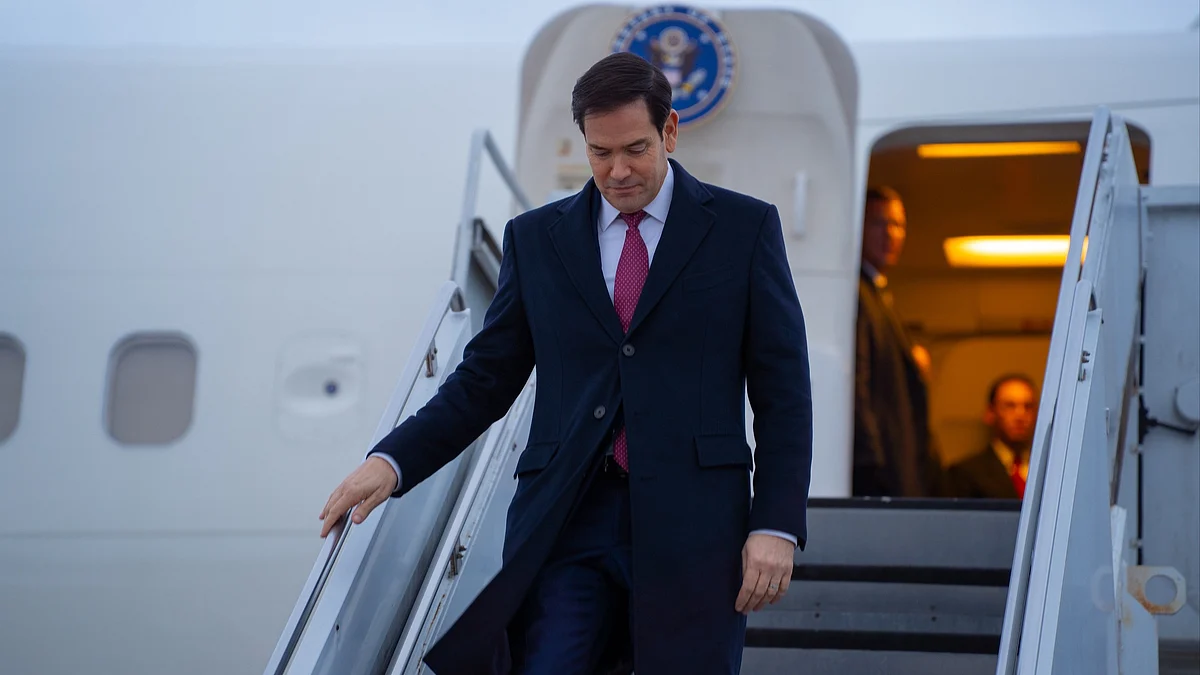


US secretary of state Marco Rubio has sketched out Washington’s delicate diplomatic tightrope with China, describing a dual-track strategy that seeks to manage inevitable tensions with Beijing while deepening and broadening alliances across the Indo-Pacific.
“There will be tensions, there’s no doubt about it,” Rubio said, acknowledging China’s enduring weight on the world stage. Beijing, he noted, “is and will continue to be a rich and powerful country and a factor in geopolitics,” a reality the United States cannot wish away.
Speaking at his year-end news conference, Rubio said Washington recognises the necessity of engagement alongside competition. “We have to have relations with them. We have to deal with them,” he told reporters, adding that the challenge lies in identifying areas where cooperation remains possible. “We have to find the things we can work together on.”
At the same time, Rubio underscored that engagement with China would not come at the expense of America’s allies. “Our job is to balance these two things,” he said, pointing first to Japan, which he described as “a very close ally of the United States.”
That commitment, Rubio stressed, stretches across the region. US partnerships extend not only to Japan and South Korea, but across the wider Indo-Pacific — including India, Australia, New Zealand and other like-minded nations — as Washington works to reinforce a web of regional cooperation.
Rubio was careful to say that the United States does not seek confrontation with Beijing. “I don’t want to leave anybody out,” he said, emphasising dialogue and cooperation with a broad range of countries. Yet he conceded that frictions are likely to endure. “There will be points of tension now and for the foreseeable future,” he said.
Responsible statecraft, Rubio argued, lies in managing those pressures — engaging China where possible without weakening the trust and commitments that underpin US alliances. “I think both sides understand that,” he added.
US-China relations remain strained over trade, technology, Taiwan and security disputes in the South and East China Seas. Even as those fault lines persist, Washington has accelerated strategic cooperation with partners such as India, Japan and Australia through groupings like the Quad. India, in particular, has emerged as a pivotal pillar of the US Indo-Pacific vision, with expanding defence, technology and economic ties reshaping the region’s strategic balance.
With IANS inputs
Join our official telegram channel (@nationalherald) and stay updated with the latest headlines