


Oil prices may ease after US-Iran deal, but full market recovery could take months: Analysts
For India, the reopening of Gulf shipping routes is expected to improve crude supplies and lower freight costs
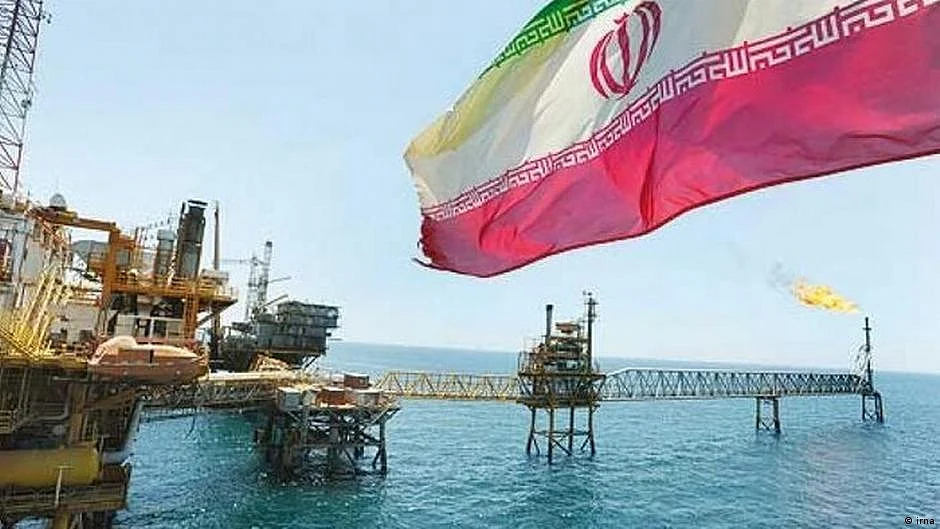


Crude oil and liquefied natural gas (LNG) prices are expected to moderate following signs of a potential US-Iran peace agreement and the reopening of the Strait of Hormuz, though analysts caution that supply disruptions, damaged infrastructure and tight inventories could keep energy markets volatile for months.
The prospect of normal shipping through the Strait of Hormuz has already reduced geopolitical risk premiums, helping Brent crude retreat nearly 20 per cent from recent highs. LNG benchmark prices have also softened.
“The potential reopening of the Strait of Hormuz, amid signs of de-escalation in the West Asia conflict, has triggered a sharp decline in geopolitical risk premiums in energy markets,” said Sehul Bhatt, Director, Crisil Intelligence.
Bhatt said the fall in crude prices, combined with recent increases in domestic fuel prices and cuts in excise duties, has largely offset under-recoveries on automobile fuels, easing pressure on fuel retailers.
“The cumulative under-recovery on petrol, diesel and liquefied petroleum gas during March-May 2026 is estimated at around Rs 1 lakh crore. If the Indian crude basket remains below USD 90 per barrel, under-recoveries are unlikely to increase materially from current levels,” he said.
Lower crude prices are also expected to reduce inflationary pressures and help contain India's energy import bill. However, Bhatt warned that global oil and gas markets may take several weeks or even months to fully stabilise.
“While the risk of prolonged supply disruption has eased, it may take several weeks or months for crude oil and LNG markets to fully normalise. In the near term, uncertainties surrounding the implementation of the peace deal could continue to drive volatility,” he said.
Prashant Vasisht, Senior Vice President and Co-Group Head, Corporate Ratings at ICRA Ltd, said a successful US-Iran agreement would ease pressure on oil and gas prices, but a return to pre-conflict levels could take much longer.
“Crude prices could take six months to one year to normalise to pre-war levels, given that almost 10-11 million barrels per day of production has been shut in West Asia, while some production facilities have also suffered damage,” Vasisht said.
He added that any easing of restrictions on Iranian crude exports would benefit India because of geographical proximity and the favourable credit terms Tehran has historically offered.
According to Equirus Securities, the recent decline in oil prices reflects a reversal of geopolitical fears rather than a fundamental shift in supply-demand dynamics.
“Brent fell to around USD 82-84 per barrel immediately after the deal announcement as markets unwound the geopolitical risk premium. However, this is a sentiment-driven move, not a fundamental re-rating,” said Maulik Patel, Head of Research at Equirus Securities.
Patel said sharply lower global inventories and cumulative supply disruptions make a return to pre-crisis oil prices unlikely in the near term. Equirus expects crude to stabilise in the USD 75-80 per barrel range, while a return to the USD 60-70 range appears unlikely even if the Strait of Hormuz fully reopens later this year.
China's oil demand remains another key variable. Patel noted that China's decision to draw down strategic reserves and reduce imports during the conflict helped prevent a sharper rise in prices. Any renewed increase in Chinese purchases could tighten markets again.
Natural gas prices are also expected to remain elevated despite easing geopolitical tensions. Spot LNG prices, currently around USD 17-18 per million British thermal units, may decline gradually but are unlikely to return to pre-crisis levels of USD 10-11 per mmBtu this year, Equirus said.
For India, the reopening of Gulf shipping routes is expected to improve crude supplies and lower freight costs. However, analysts said trade flows will take time to normalise as insurers regain confidence and damaged infrastructure is repaired.
“Shipping companies are expected to take at least two months to resume full Persian Gulf operations, with damaged refinery infrastructure requiring additional time. Normalisation is therefore a third-quarter 2026 story at the earliest,” Patel said.
India's energy security during the conflict was supported by Russian crude supplies, which emerged as an important alternative source. While Middle Eastern supplies are expected to return, analysts believe Russian oil will continue to remain a significant part of India's energy basket.
On the LNG front, India has demonstrated greater resilience to higher prices, with imports rebounding close to pre-crisis levels in May despite elevated spot rates. Increased purchases from the United States, Nigeria and Oman helped offset disruptions, while discounted Russian LNG could provide another source of diversification in the years ahead.
Analysts expect vessel traffic through the Strait of Hormuz to recover gradually over the next two to three months after any formal agreement, with crude exports from Gulf producers resuming more quickly than fuel product markets stabilise.
Join our official telegram channel (@nationalherald) and stay updated with the latest headlines