


13 districts, one question: will Delhi’s ‘redistricting’ deliver results?
As the capital adds two districts ahead of the 2026 elections, a look at what it means for governance gains and the electoral undercurrent
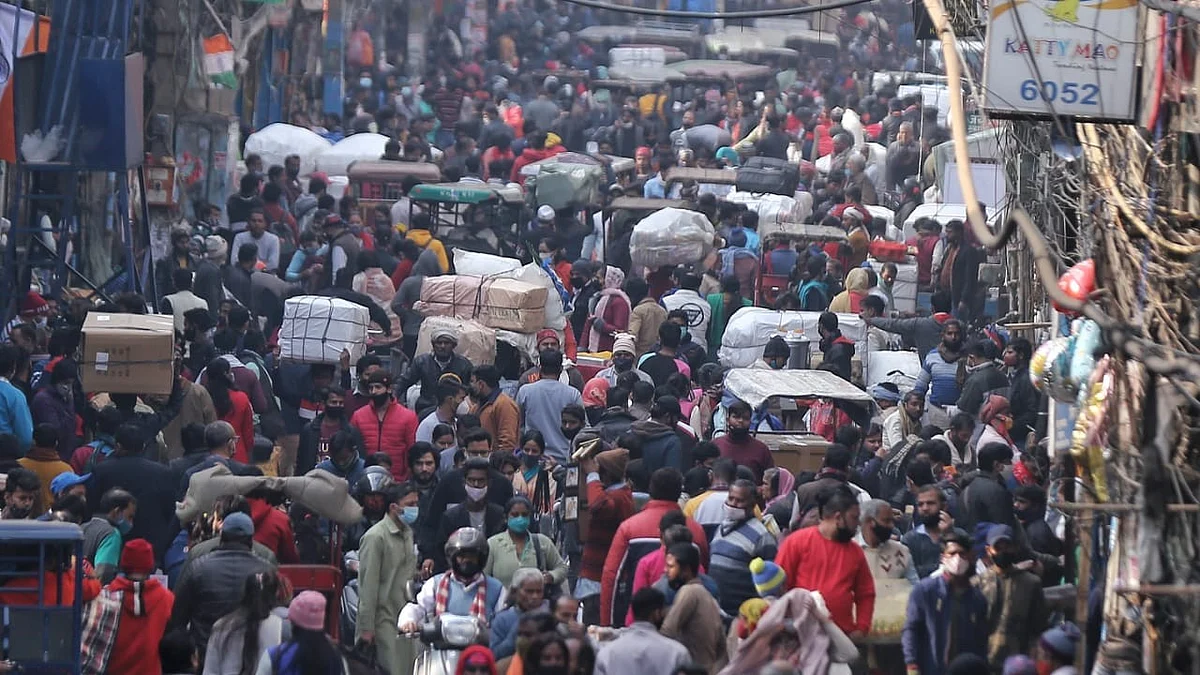


The Delhi government’s recent decision to create two new districts — taking the total from 11 to 13 — is officially presented as an effort to enhance administrative efficiency and decentralisation amid rapid population growth. With some districts like North East and South reportedly exceeding 30 lakh residents, officials claim that smaller districts will reduce delays in public services, improve coordination between revenue, law enforcement and municipal bodies, and bring governance closer to citizens.
Delhi’s last major reorganisation in 2012 — which raised the number of districts from nine to 11 districts — was similarly justified with decentralisation as the goal. The current move is being projected by the authorities as a continuation of this approach to address the city’s expanding infrastructure needs.
Yet, political analysts caution that boundary drawing in Delhi is rarely neutral, especially with less than a year to the 2026 assembly elections. Although district boundaries do not officially determine electoral constituencies — a matter under the Election Commission’s purview—they shape administrative jurisdictions such as policing, education zones and revenue divisions. These changes can indirectly shift resource distribution and community representation, subtly altering the political landscape. According to a senior analyst from the Centre for Policy Research, “administrative convenience might be part of the story, but such decisions often realign voter demographics.”
On the ground, residents express concerns over the practical repercussions of the redrawing. Past reorganisations have triggered confusion due to overlapping jurisdictions, unsettled land records and delays in establishing district offices. Dwarka resident Ritu Sharma notes, “There’s already chaos with property papers and e-district portals. Without clear transition plans, this could complicate lives rather than simplify them.”
Effective implementation will also require careful attention to staffing, digital integration and public communication — areas where detailed plans remain scarce.
More broadly, Delhi’s experience reflects a common challenge in Indian megacities: managing rapid urban growth within existing governance frameworks. Experts stress that district-level reshuffles alone cannot resolve structural issues like urban inequality, informal housing or fragmented public services. Without a cohesive metropolitan governance model—integrating the Delhi government, municipal corporations and central bodies like the DDA and NDMC — the multiplication of districts risks deepening administrative silos instead of fostering coordination.
As the city adjusts to its new administrative map, the critical measure will be whether these changes translate into better governance and citizen services, or remain a cosmetic realignment ahead of elections. Transparency, clarity and inclusive implementation will determine if Delhi’s reorganisation fulfils its promise
of bringing governance closer to the people or simply redraws the boundaries without reshaping priorities.
Join our official telegram channel (@nationalherald) and stay updated with the latest headlines