


Australia’s move ‘over-cautionary’, says Indian vaccine maker after blanket warning
Indian Immunologicals asks review of ATAGI warning, says only one batch flagged in January 2025 and no blanket concern warranted
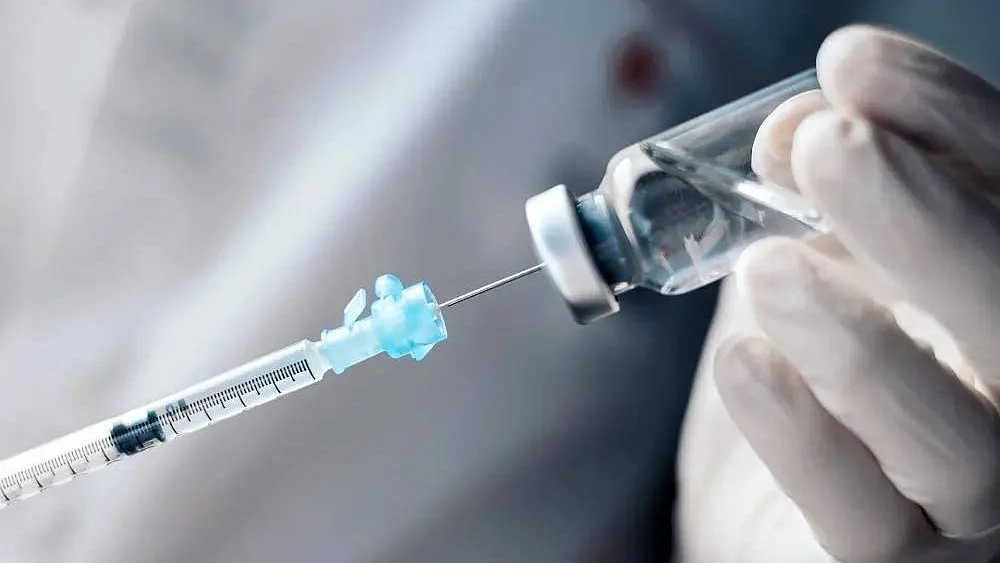


Days after Australia issued an advisory cautioning against the use of the anti-rabies vaccine Abhayrab administered in India, public sector manufacturer IIL (Indian Immunologicals Limited) has clarified that the concern relates to a single identified batch and does not justify a blanket warning against the vaccine.
In a letter to the ATAGI (Australian Technical Advisory Group on Immunisation), IIL said the advisory, in its present form, could create unnecessary anxiety and mistrust among the public and healthcare practitioners, and urged Australian authorities to review it.
Last week, ATAGI advised Australian travellers who received Abhayrab in India after 1 November 2023 to consider the vaccination invalid and begin a new course, citing concerns over counterfeit vaccines.
IIL’s clarification
IIL said the advisory appeared to be based on an “over-cautionary and misplaced reference” to a single batch and outlined the sequence of events:
A packaging anomaly was detected in Batch No. KA24014 (manufactured in March 2024, expiry February 2027) in January 2025.
IIL said it proactively informed Indian regulators and law enforcement agencies, lodged a formal complaint, and coordinated action.
The Drugs Control Department, Government of NCT of Delhi, issued a batch-specific advisory on 23 March 2025, which was later referenced by ATAGI.
“This represents the first such incident in IIL’s vaccine history,” the company said in its letter dated 25 December, stressing that the issue was isolated and limited to one batch.
No wider market impact, IIL says
The company said the flagged batch had been distributed through authorised channels and that no market complaints were reported.
“There is no instance of any other counterfeit batch in the market beyond Batch No. KA24014,” IIL said.
The counterfeit batch is “no longer available on shelves”, it added.
Supplies procured through government institutions and authorised distributors remain safe and effective.
IIL warned that a generalised advisory could lead to misinterpretation by healthcare professionals and undermine public confidence in vaccines, particularly given limited public awareness of technical batch-level issues.
Vaccine track record cited
Abhayrab has been manufactured by IIL since 2000, with over 210 million doses supplied across India and 40 countries, and holds about 40 per cent of India’s rabies vaccine market.
Reassuring stakeholders, IIL said every batch manufactured in India is tested and released by the Central Drugs Laboratory (Government of India) before being approved for use.
Sunil Tiwari, Vice President and Head of Quality Management at IIL, said the company’s pharmacovigilance and quality systems are robust, and the public can continue to place confidence in vaccines supplied directly by IIL and its authorised distribution channels.
Spurious rabies vaccines in UP linked to multiple deaths
Several deaths reported in Uttar Pradesh over the past few years have been linked to the administration of spurious or substandard anti-rabies vaccines, exposing serious lapses in drug supply chains and regulatory oversight.
In some of the most cited cases, patients—many of them children—died of rabies weeks after being bitten by dogs despite having received what was believed to be post-exposure prophylaxis at government or private healthcare facilities. Subsequent investigations found that the vaccines administered were either counterfeit, improperly stored, or ineffective, rendering them incapable of preventing the fatal viral disease.
State health authorities and police probes revealed that fake rabies vaccines had entered the supply system through unauthorised distributors, with forged labels and documentation mimicking approved brands. In certain instances, samples sent for laboratory testing were found to contain no active rabies antigen, confirming that patients had effectively remained unprotected.
The incidents triggered criminal cases, suspension of medical staff, and raids on pharmaceutical suppliers. The Uttar Pradesh government also ordered audits of vaccine procurement and distribution, and issued advisories to ensure that rabies vaccines are sourced only from authorised manufacturers and distributors.
Public health experts have repeatedly warned that rabies, which is nearly 100 per cent fatal once symptoms appear, requires timely administration of genuine vaccines and immunoglobulins, making any breach in quality or authenticity potentially lethal.
The UP cases continue to be cited as a cautionary example of how counterfeit vaccines can have fatal consequences if not swiftly detected and contained.
With PTI inputs
Join our official telegram channel (@nationalherald) and stay updated with the latest headlines