


Ahmedabad water contamination: 7 still in hospital, Shah reviews situation
Residents claim complaints were made days before outbreak; civic body launches surveys and testing
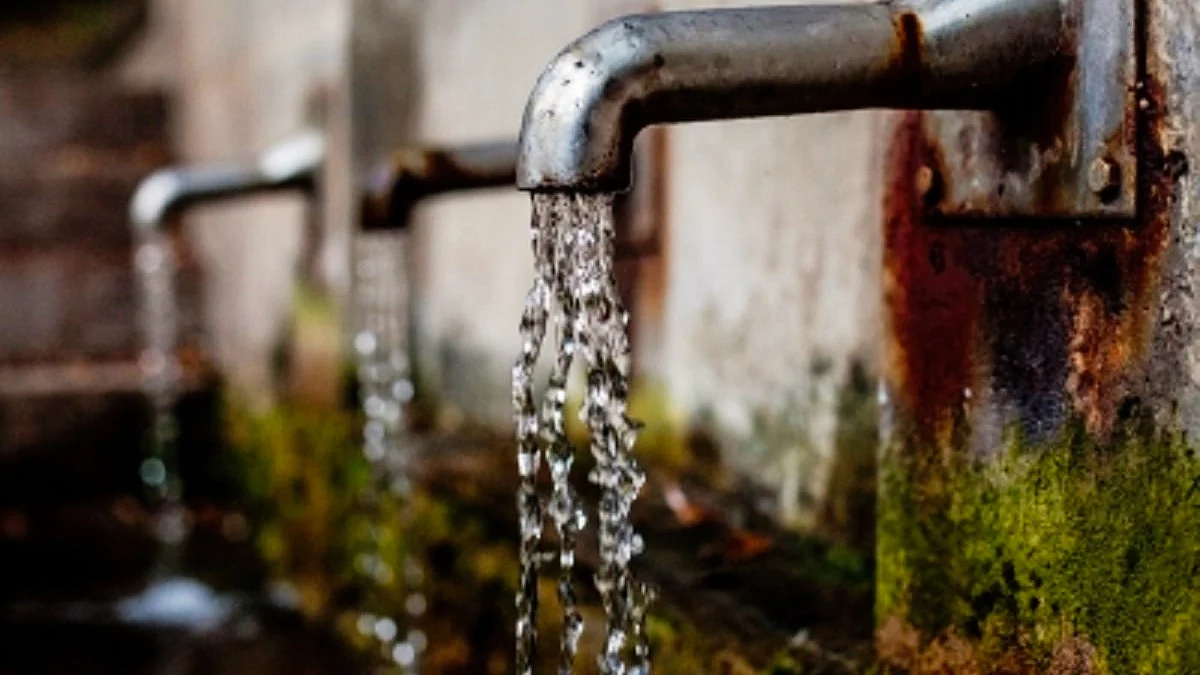


At least 50 persons fell sick and seven of them remain hospitalised after allegedly consuming contaminated drinking water in Ahmedabad's Ghatlodia area in Prime Minister Narendra Modi's home state of Gujarat, prompting civic authorities to launch emergency surveys, deploy medical teams and collect water samples from affected localities.
The outbreak of diarrhoea, vomiting and other gastrointestinal ailments has sparked concern among residents and revived memories of recent water contamination incidents reported elsewhere in the country, including a deadly outbreak in Madhya Pradesh's Indore earlier this year.
As per multiple media reports, residents of several affected housing societies alleged that they had alerted Ahmedabad Municipal Corporation (AMC) officials after noticing foul-smelling and discoloured water days before large numbers of people began reporting symptoms. Some residents claimed complaints about possible sewage contamination were lodged from 31 May onwards, while civic authorities have maintained that the pipeline fault was repaired immediately after it was detected.
Union home minister Amit Shah — also a native Gujarati — spoke to state officials and took stock of the situation as reports of the outbreak triggered concern in the area.
"Gandhinagar Lok Sabha MP and Union home minister Amit Shah spoke with Gujarat chief minister Bhupendra Patel and Ahmedabad mayor Hitesh Barot regarding the diarrhoea and vomiting situation that emerged in some societies of Gota Ward in the North-West Zone of Ghatlodia Assembly constituency in Ahmedabad," a release issued by the state's ruling BJP stated.
Ghatlodia falls within Shah's Lok Sabha constituency. The Union minister instructed municipal commissioner Banchhanidhi Pani and health department officials to take all necessary measures, the release said, adding that repair work on the affected pipeline was being carried out on a war footing.
According to civic officials, residents from nine housing societies reported receiving contaminated water after sewage allegedly entered a drinking water pipeline through a damaged section of the network. Health department teams visited all affected societies and carried out house-to-house surveys, while chlorine tablets were distributed as a precautionary measure.
"Officials have taken preventive measures, conducted door-to-door surveys, carried out chlorine testing, and deployed medical teams in the area," said Dr Bhavin Solanki, medical officer of health at the AMC, adding that 19 water samples had been collected for testing. "Seven of the 11 affected individuals remained hospitalised on Thursday," he told PTI, adding that the situation was under control.
Technical supervisors, assistant engineers and assistant city engineers are inspecting underground water storage tanks in the affected societies, according to an official release. Wherever necessary, the AMC has undertaken cleaning of underground tanks and started supplying potable water through tankers, it added.
While local residents claimed that hundreds of people had fallen ill after consuming contaminated water over the last four days, commissioner Pani had stated on Wednesday that around 50 people were affected after a breakdown in water and drainage pipelines on 30 May. The fault was repaired immediately, he had said.
Rakesh Patel, chairman of Akanksha Apartment, claimed that nearly 600 residents of the housing complex experienced symptoms such as diarrhoea and vomiting, with many seeking treatment at private hospitals. He said his mother was receiving intensive care at Gurukrupa Hospital due to severe diarrhoea and vomiting.
The Ahmedabad incident is the latest in a series of water contamination scares reported in urban areas across the country. Earlier this year, contaminated drinking water in Indore's Bhagirathpura area was linked to a major outbreak of gastrointestinal illnesses that resulted in multiple deaths and prompted a large-scale health intervention by the Madhya Pradesh government.
Public health experts have repeatedly flagged ageing civic infrastructure, leakages and the close proximity of sewer and drinking water pipelines as key factors behind such outbreaks, particularly in densely populated urban areas and during periods of repair work or heavy rainfall.
With PTI inputs
Join our official telegram channel (@nationalherald) and stay updated with the latest headlines