


Gaza: Australia's tough stance over citizen's death redraws attention to Indian colonel's killing
Canberra pushes for criminal accountability over aid convoy attack, while New Delhi earlier opted for diplomatic engagement after Indian officer’s death in Rafah
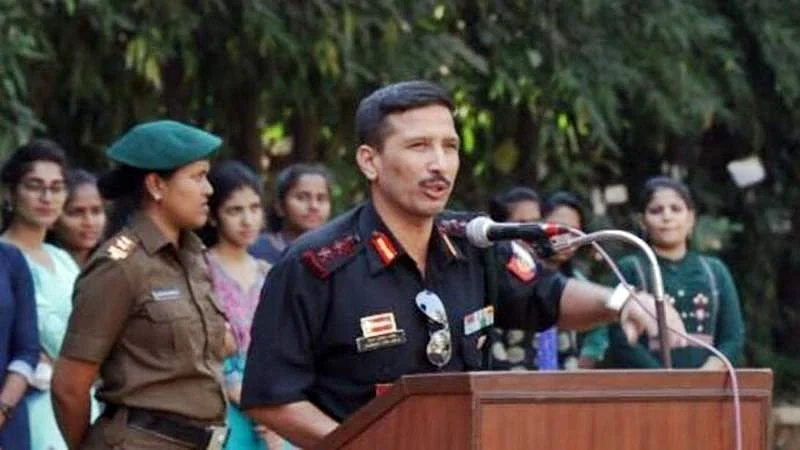


Australia’s demand for criminal charges over a 2024 Israeli airstrike in Gaza that killed an aid worker has drawn fresh attention to how India responded after Indian Army's Colonel Waibhav Kale was killed by Israeli troops while working for a United Nations mission.
Australian Prime Minister Anthony Albanese said that he conveyed Australia’s expectation of “full accountability, including any appropriate criminal charges” to visiting Israeli President Isaac Herzog during talks on Wednesday. The demand relates to an Israeli drone strike on 1 April 2024 that killed Australian aid worker Zomi Frankcom and six others linked to World Central Kitchen - a non profit that works for food relief.
The victims included an American-Canadian dual citizen, a Palestinian, a Polish national and three British security staff. An Australian inquiry later found the strike resulted from procedural failures and errors by the Israeli military.
Contrast with India’s response after Colonel Kale’s death
Australia’s assertive push contrasts with India’s response after Colonel Waibhav Kale — a retired Indian Army officer serving as a UN security coordinator — was killed in Rafah in May 2024 when a UN-marked vehicle came under Israeli fire during hostilities.
The Ministry of External Affairs expressed deep sorrow over Kale’s death and said Indian authorities were in touch with relevant agencies and the United Nations regarding the investigation and repatriation of his remains. However, New Delhi stopped short of publicly demanding criminal action or directly accusing Israel.
Instead, India largely backed a United Nations-led inquiry into the incident. Officials maintained a measured tone, reflecting India’s broader diplomatic balancing between humanitarian concerns in Gaza and its strategic ties with Israel.
Albanese presses Israel during Herzog visit
Albanese described the aid convoy strike as a “tragedy and an outrage” and said Australia expected transparency from Israel’s ongoing investigation. There was no immediate response from Herzog to the request for criminal charges.
Herzog arrived in Canberra after two days in Sydney, where he met members of the Jewish community following a deadly antisemitic attack at Bondi Beach that left 15 people dead. While Australia’s major political parties largely backed the visit, several lawmakers criticised it.
Speaking in Parliament, Albanese defended engaging with Herzog, saying dialogue allowed Australia to raise difficult issues directly. Herzog called the trip “very emotional” and said relations between the two countries extended beyond disagreements over the Israel-Gaza conflict.
Protests and political backlash
The visit triggered protests across Australian cities. Hundreds gathered outside Parliament House in Canberra, with rallies also held earlier in Sydney and Melbourne.
Mehreen Faruqi, deputy leader of the Greens, criticised the government for hosting Herzog and accused authorities of heavy-handed policing. Independent senator David Pocock also joined demonstrations, saying the timing risked deepening domestic tensions.
Police arrested 27 protesters during a Sydney rally and charged nine, mostly for alleged assaults on officers. New South Wales Premier Chris Minns defended the police action, saying it prevented potential clashes between protesters and mourners attending an event linked to the Bondi attack.
Despite criticism, mainstream Jewish organisations in Australia welcomed Herzog’s visit. The Israeli leader is scheduled to travel to Melbourne next, where more demonstrations are planned, including a visit to the remains of the Adass Israel Synagogue, torched in late 2024 — an attack Australia blamed on Iran.
Australia’s push for criminal charges — alongside India’s earlier diplomatic engagement after the killing of Colonel Kale — highlights how the deaths of foreign nationals have become a significant diplomatic fault line in the continuing Gaza war, with countries adopting sharply different strategies to seek accountability.
Join our official telegram channel (@nationalherald) and stay updated with the latest headlines