


Bombay HC raps littering culture, asks why Indians only follow rules abroad
Court calls for strict civic action, says citizens share responsibility for keeping public spaces clean
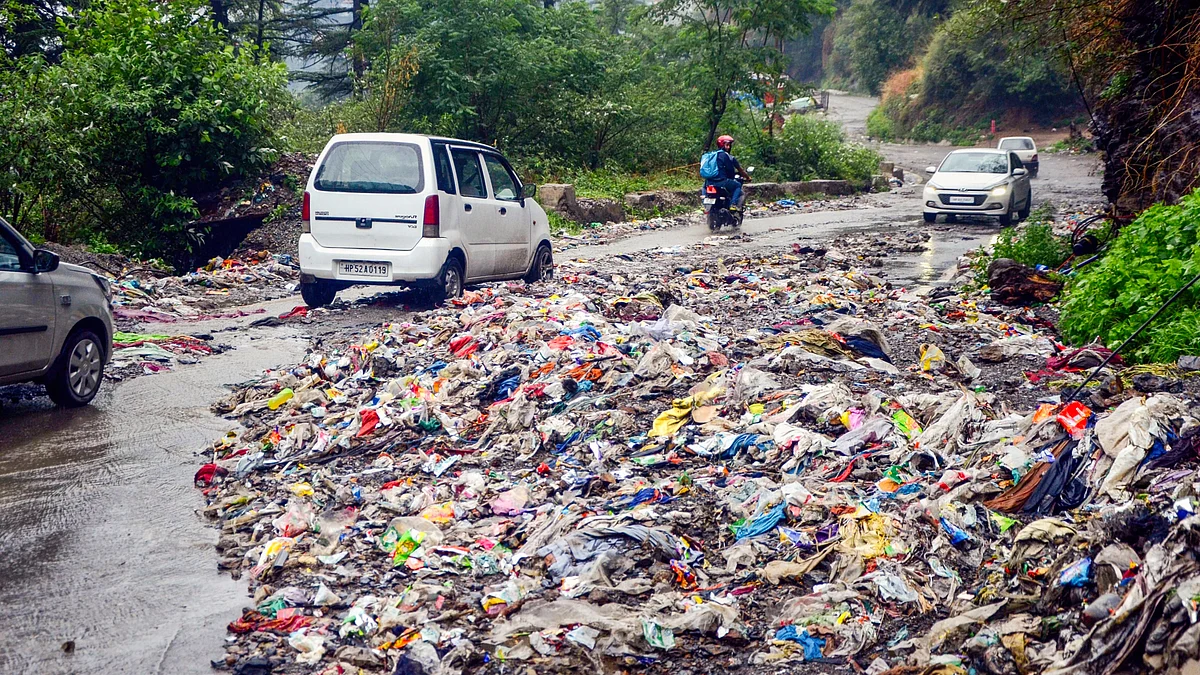


The Bombay High Court on Friday, 31 July came down heavily on the culture of littering in public places, questioning why many people strictly follow cleanliness rules overseas but disregard them in India.
Hearing a batch of petitions concerning pollution, foul odour, gas emissions and health hazards around the Kanjurmarg dumping ground in Mumbai, the court stressed that maintaining cleanliness was a shared responsibility and called for strict enforcement against violators.
A bench of Justices G.S. Kulkarni and Aarti Sathe said citizens as well as civic officials needed to be sensitised to ensure that public roads and spaces remained free of garbage. "If a person wants a clean environment, then he or she has a corresponding fundamental duty towards the society to maintain cleanliness. We want the civic officials to be ruthless in taking action," the court said.
The bench questioned why people who litter freely in India often adhere to civic rules when abroad. "We have to sensitize our citizens. Here, a person will throw garbage on the road without batting an eyelid but these same people when abroad will strictly avoid such behaviour. Even a small chocolate wrapper they will throw in the dustbin," it observed.
"Is this the price of liberty and democracy?" the court asked.
Expressing concern over plastic waste across the city, the bench noted that even Mumbai's beaches were littered with plastic and questioned whether "we are living in a civilised society". The court observed that garbage dumped on roads and bylanes posed serious health and hygiene risks and had become a daily hazard for residents.
Also Read: Develop the scientific temper
Referring to the Municipal Corporation of Greater Mumbai's 'Swachch Mumbai, Sundar Mumbai, Aapli Mumbai, Sundar Mumbai' campaign, the court said its objective was being undermined both by citizens who littered and by the civic machinery's failure to act.
"It is in these circumstances the role of MCGM's cleanliness machinery wardwise becomes significant, to take all effective steps so that public streets are not used by the citizens as dumping places," the court said.
It added that unless effective measures were taken, the civic body's stated commitment to cleanliness would remain unfulfilled.
The bench urged the Municipal Corporation of Greater Mumbai to strictly enforce the rules governing waste management and cleanliness. It also expressed concern over garbage collection practices near heritage landmarks such as the Rajabai Tower and the Bombay High Court building, saying waste was often left strewn on roads because of improper handling by municipal garbage trucks.
The court noted that domestic and foreign tourists visiting these sites were confronted with piles of garbage, creating a poor impression of the city. Directing the civic body to address the issue within a week, the court said it would be compelled to pass appropriate orders if no action was taken.
With PTI inputs
Join our official telegram channel (@nationalherald) and stay updated with the latest headlines