


In sudden move, Centre revokes Sonam Wangchuk detention under NSA
Govt cites engagement with Ladakh stakeholders as pressure mounts over jailing of prominent climate activist
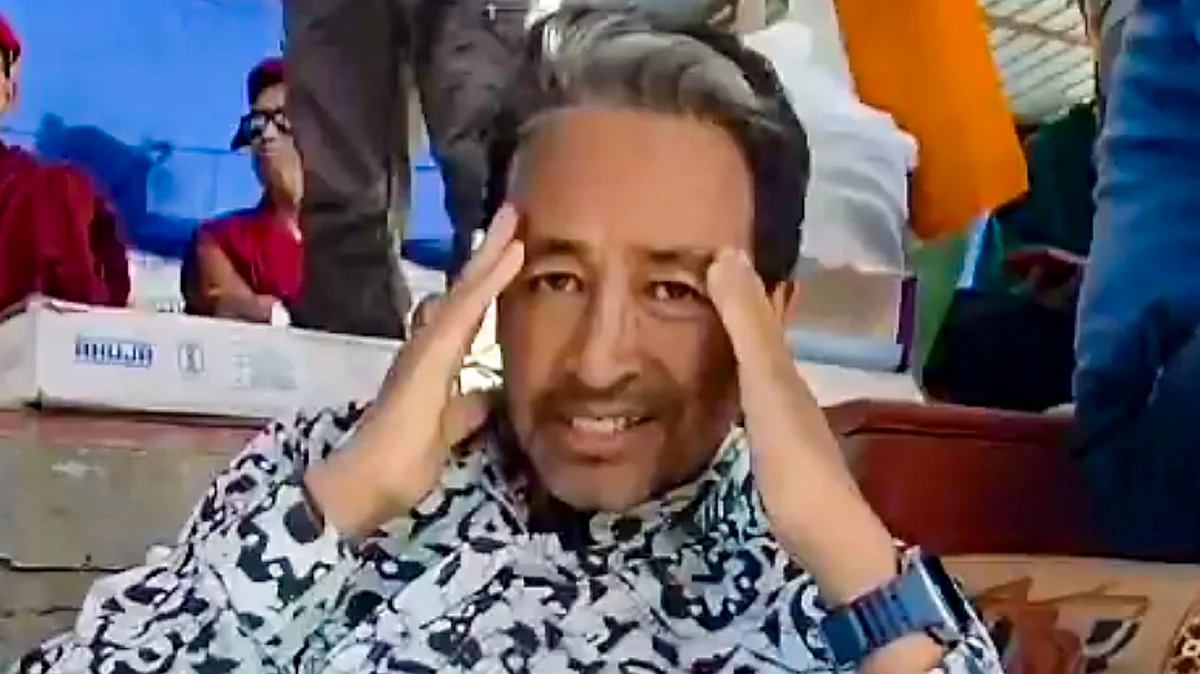


The Union government has revoked the detention of climate activist and education reformer Sonam Wangchuk under the National Security Act (NSA), bringing an abrupt end to nearly six months of incarceration that had triggered widespread protests and political controversy across India.
In an official statement on Saturday, the Centre said it had exercised its powers under the stringent preventive detention law to withdraw the order with immediate effect.
Wangchuk had been detained on September 26, 2025, two days after violent protests erupted in Leh during a long-running movement demanding statehood for Ladakh and constitutional safeguards under the Sixth Schedule. Authorities invoked the NSA on the orders of the Leh district magistrate, citing the need to “maintain public order,” and later transferred him to Jodhpur Central Jail in Rajasthan.
According to the government statement, Wangchuk has already served nearly half of the maximum detention period permitted under the law. Preventive detention under the NSA can extend up to one year without formal charges.
The Centre said it has been “actively engaging with various stakeholders and community leaders in Ladakh with a view to addressing the aspirations and concerns of the people of the region.”
However, the sudden decision to revoke the detention comes amid mounting public outrage and sustained protests demanding Wangchuk’s release, particularly in light of his failing health in captivity.
Demonstrations and candlelight marches had taken place not only in Ladakh but also in several other parts of the country. Activists and civil society groups organised protests in cities such as Dehradun and Jodhpur, accusing the government of misusing the National Security Act to silence dissent.
Protesters argued that Wangchuk — widely respected for his environmental work and innovations such as artificial 'ice stupas' to conserve water in Ladakh — had been jailed simply for raising constitutional and ecological concerns about the region.
The anger extended beyond Ladakh. Support rallies and candlelight vigils were held in states including Arunachal Pradesh, Himachal Pradesh and Uttarakhand, where activists and tribal groups said Wangchuk had become a symbol of environmental justice and local autonomy movements.
The detention itself followed a dramatic escalation in the Ladakh agitation. On September 24, 2025, protests in Leh over demands for statehood and constitutional protections turned violent, with clashes between demonstrators and security forces leaving four people dead and dozens injured. Authorities blamed Wangchuk for allegedly inciting the unrest, though he denied encouraging violence and said the protests reflected deep public frustration over the region’s political status.
Ladakh’s political unrest has been simmering since 2019, when the region was carved out of Jammu and Kashmir and placed under direct federal administration as a Union Territory. Many local groups later began demanding statehood and inclusion under the Sixth Schedule of the Constitution, which provides safeguards for tribal communities over land, culture and governance.
Wangchuk emerged as one of the most prominent voices of the movement, organising hunger strikes, marches and environmental campaigns warning that fragile Himalayan ecosystems were being opened to unchecked development.
His arrest triggered a political storm, with opposition parties accusing the government of suppressing peaceful activism. In parallel, his NGO’s licence to receive foreign funding was cancelled and investigations were launched into institutions associated with him.
Whether Wangchuk will be immediately released from prison remains unclear, though the revocation of the NSA detention order typically leads to release unless authorities pursue fresh legal action.
Political observers say the government’s decision may be linked to a combination of factors — including sustained public pressure, ongoing talks with Ladakhi leaders and legal scrutiny in the courts. The Supreme Court had recently adjourned hearings on a petition challenging his detention, keeping the issue alive in national debate.
For now, the move marks a potential turning point in a controversy that had become a powerful flashpoint in India’s debates over civil liberties, environmental activism and the political future of Ladakh.
With PTI inputs
Join our official telegram channel (@nationalherald) and stay updated with the latest headlines