


Congress brands Indo-US trade pact a ‘surrender’, warns of harm to farmers and MSMEs
Opposition accuses Modi government of compromising national interests as interim deal is unveiled
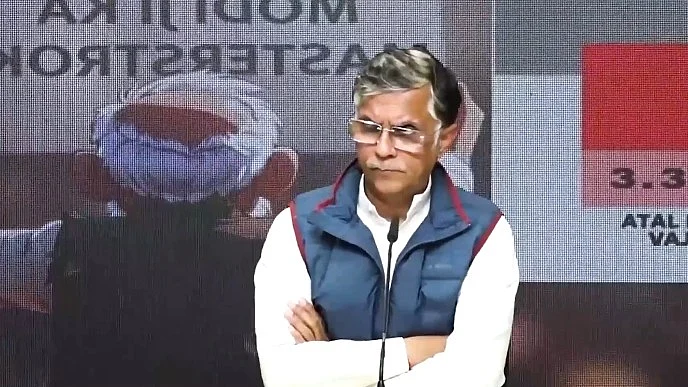


The Congress on Saturday launched a blistering attack on the Narendra Modi government over the newly announced interim trade framework with the United States, describing it as “not a deal but a surrender” that undermines India’s economic interests and self-respect.
Addressing a press conference, Congress media and publicity department head Pawan Khera alleged that the agreement would turn India into a dumping ground for American goods, with serious consequences for farmers, micro, small and medium enterprises (MSMEs), and the middle class.
“This is a betrayal of everything India has stood for over the past 75 years,” Khera said, arguing that the arrangement was neither fair nor negotiated between equals. “A deal cannot be struck with a gun to your head. This is not negotiation — it is blackmail and surrender.”
The Congress’s remarks came shortly after Commerce and Industry Minister Piyush Goyal said India had not offered duty concessions on dairy products and claimed that several Indian goods, including agricultural items, would enjoy zero reciprocal tariffs in the US market.
India and the US earlier announced that they had agreed on a framework for an interim trade pact aimed at boosting bilateral trade, with both sides committing to reduce import duties on a range of goods.
Khera, however, said the agreement amounted to a compromise on national interests, warning that Indian agriculture and small businesses would bear the brunt. He alleged that the government was functioning on “American time”, claiming key decisions — from security issues to trade — were being shaped in Washington rather than New Delhi.
He also questioned how the government planned to fund a sharp rise in imports from the US. Under the framework, India has indicated it will purchase American goods worth $500 billion over the next five years, which would require annual imports to rise from around $40–42 billion to nearly $100 billion.
“With the rupee under pressure and the economy strained, where will this money come from, and what exactly will India be forced to buy?” Khera asked, accusing the government of withholding details of products that would enter the country.
According to the framework outlined by both sides, the US will reduce tariffs on Indian goods to 18 per cent from levels as high as 50 per cent, while India will eliminate or significantly cut duties on US industrial goods and a wide range of agricultural and food products. These include animal feed such as dried distillers’ grains and red sorghum, tree nuts, fresh and processed fruit, soybean oil, as well as wine and spirits.
A joint statement said India has also expressed its intention to buy US energy products, aircraft and aircraft parts, precious metals, technology goods and coking coal worth $500 billion over five years.
Defending the agreement, Goyal said the interim pact would open access to a $30 trillion US market for Indian exporters, particularly benefiting MSMEs, farmers and fishermen, as tariff barriers are lowered.
The Congress, however, insisted that the deal lacked reciprocity and transparency, and demanded greater parliamentary scrutiny before any final agreement is concluded.
With IANS inputs
Join our official telegram channel (@nationalherald) and stay updated with the latest headlines