


Delhi transport bodies protest against E20 fuel at Rajghat after police deny Parliament march
Transporters reiterate concerns over ethanol-blended petrol, while Centre defends programme as safe and farmer-friendly
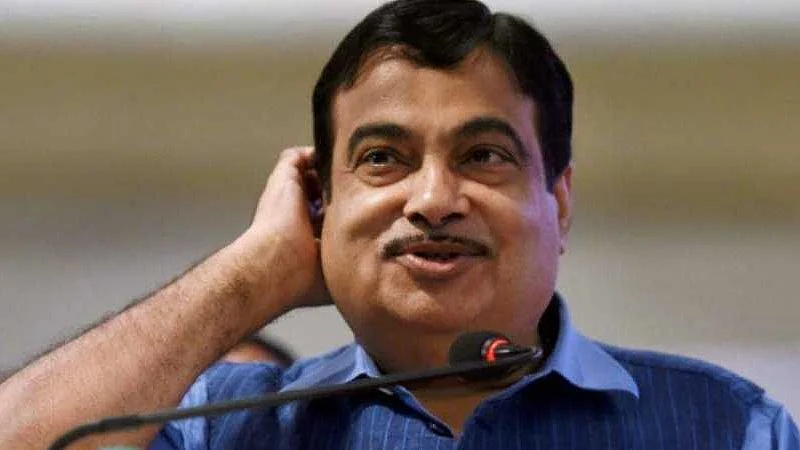


Several Delhi-based transport bodies on Tuesday staged a protest at Rajghat against the Centre's E20 ethanol-blended petrol policy, demanding its withdrawal and alleging that the fuel adversely affects vehicle performance and increases operating costs.
The protest was organised by the Delhi Taxi and Tourist Transporters and Tour Operators Association along with several other transport organisations representing taxi operators, tourist transporters and commercial vehicle owners.
The organisations had initially planned to take out a protest march to Parliament. However, after Delhi Police denied permission for the march, the protesters gathered at Rajghat, where they paid floral tributes to Mahatma Gandhi before holding a demonstration.
"We had planned a protest march to Parliament, but since permission was not granted by Delhi Police, we decided to come to Rajghat and offer our prayers to Mahatma Gandhi," Delhi Taxi and Tourist Transporters and Tour Operators Association president Sanjay Samrat said.
The protest comes amid a growing political row over the nationwide rollout of E20 petrol, which contains up to 20 per cent ethanol blended with petrol.
Transporters and opposition parties have alleged that the policy has resulted in reduced fuel efficiency, engine performance issues and higher maintenance costs, particularly for older vehicles that were not originally designed to run on E20 fuel. They have also raised concerns over the long-term impact of ethanol blending on vehicle engines and questioned the government's decision to accelerate the nationwide rollout.
The Centre, however, has rejected these allegations.
The government has maintained that there is no immediate proposal to increase ethanol blending beyond 20 per cent and has asserted that E20 fuel is scientifically tested, safe for compatible vehicles, cleaner than conventional petrol and plays an important role in reducing crude oil imports, lowering emissions and increasing farmers' income by creating additional demand for ethanol feedstock such as sugarcane and maize.
The E20 policy has emerged as a key political issue in recent weeks, with opposition parties intensifying their criticism and transport associations demanding a review of the programme.
Join our official telegram channel (@nationalherald) and stay updated with the latest headlines