


FSSAI proposes red front-of-pack warnings for foods high in fat, sugar and salt
FSSAI proposes red hexagonal front-of-pack warning labels for foods high in added fat, sugar or salt
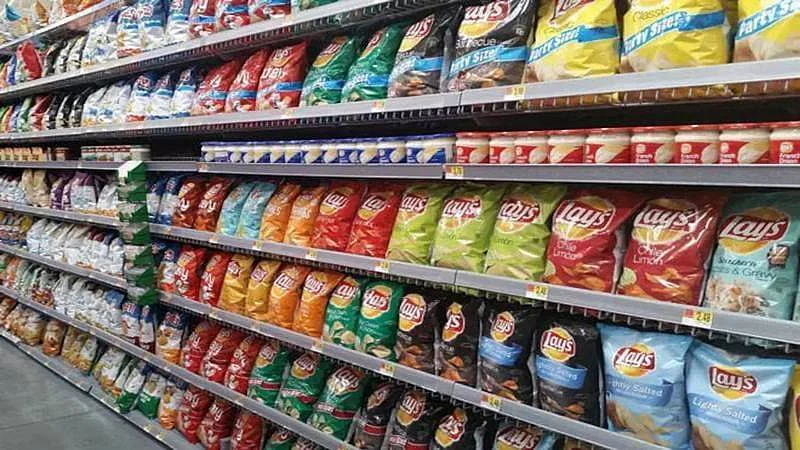


The Food Safety and Standards Authority of India (FSSAI) has proposed prominent red warning labels on the front of packaged food products that are high in specified levels of added saturated fat, added sugar and salt, telling the Supreme Court that the move is aimed at helping consumers make more informed choices.
In a compliance affidavit filed before the apex court, the food regulator said it has proposed a red-coloured hexagonal warning label for products that are high in any two or more of the three specified nutrients of concern — added saturated fat, added sugar and salt.
The proposed labels would carry declarations such as “High Fat”, “High Sugar”, “High Salt” and, where applicable, “Highly Sweetened Beverage”, allowing consumers to identify products containing high levels of the specified nutrients at a glance.
The affidavit was filed in compliance with the Supreme Court’s August 13 order in a public interest litigation filed by the public charitable trust 3S and Our Health Society, which has sought mandatory front-of-pack warning labels for packaged foods.
The bench of Justices J B Pardiwala and K Vinod Chandran had earlier questioned the delay in introducing such warnings and asked whether the government “does not want its people to be healthy”.
Warning to appear prominently on front of pack
Under the proposal, the warning would be displayed in a font size one point larger than the font used in the nutrition information table on the back of the package.
FSSAI said the proposed front-of-pack nutrition labelling system would use nutrient thresholds specified in the Dietary Guidelines for Indians, 2024, issued by the Indian Council of Medical Research-National Institute of Nutrition (ICMR-NIN).
The regulator has proposed implementing the system in phases to allow consumers to adapt to the new labelling requirements and give food manufacturers sufficient time to reformulate products.
During the first phase, the warning would apply to products that are high in two or more of the specified nutrients, as well as specified sweetened beverages.
In the second phase, the requirement would be expanded to products that are high in any one of the specified nutrients.
FSSAI said the proposed system was intended to provide consumers with “simple, prominent and easily comprehensible” information about foods containing high levels of nutrients considered a health concern.
Certain products proposed to be exempt
The regulator has proposed exempting single-ingredient food products from the front-of-pack warning requirement.
Products that are inherently high in fat, sugar or salt — including ghee, edible oil, salt, sugar, jaggery and honey — would also be exempt from the proposed warning requirement, subject to other applicable food safety and labelling regulations.
For the purposes of the proposed regulations, a product would be classified as high in fat, sugar and/or salt based on the prescribed thresholds and whether it contains high levels of any two or more of the specified nutrients during the first phase.
The proposed warning would appear in a red hexagonal symbol on the front of the package.
Proposal still needs to be notified
FSSAI clarified that the proposed framework has not yet become a binding requirement.
“It is pertinent to mention that the same will be notified by way of an amendment in the respective regulations by following prescribed procedure,” the regulator said in its affidavit.
The proposal is aimed particularly at facilitating informed food choices among children and other vulnerable groups, according to FSSAI.
The Supreme Court is considering the matter against the backdrop of concerns over the nutritional quality of packaged and ultra-processed foods and their potential contribution to diet-related health problems.
The court’s August 13 intervention had put renewed focus on the need for clearer nutritional information on packaged foods and the role of front-of-pack warnings in helping consumers identify products high in nutrients of concern.
Join our official telegram channel (@nationalherald) and stay updated with the latest headlines