


India-China border trade resumes through Shipki La after six years
Traditional barter trade through the historic Himalayan pass to remain open till November 30; move expected to boost border economy and tourism
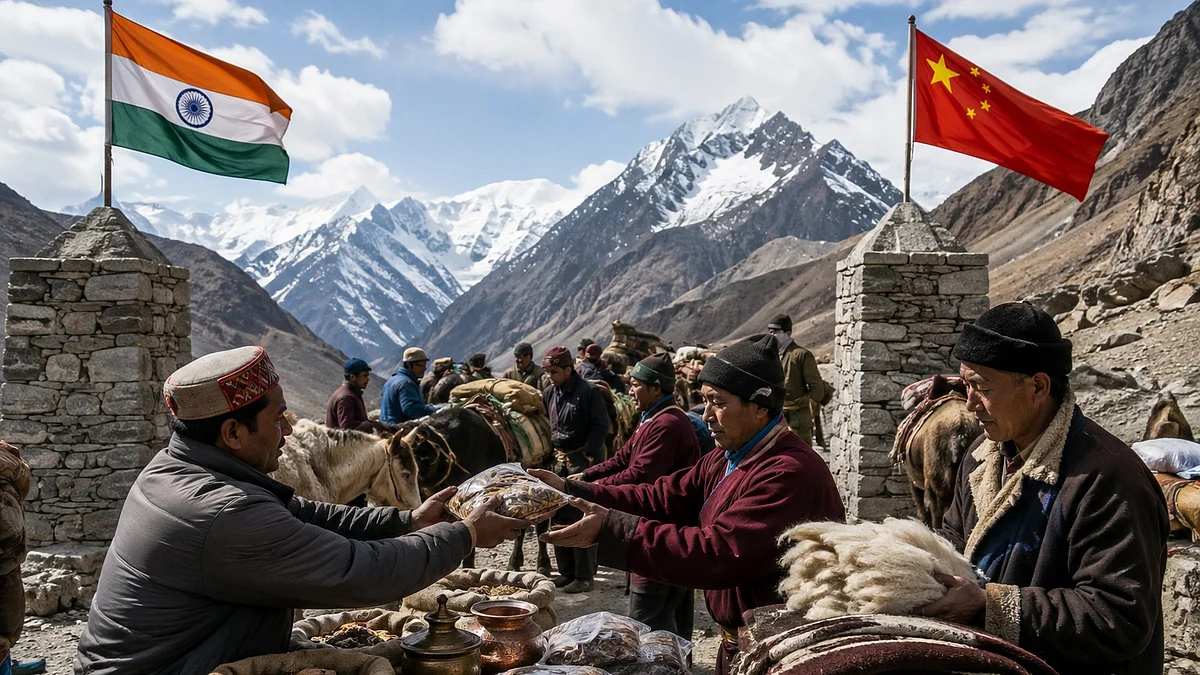


India and China have resumed traditional border trade through the historic Shipki La pass in Himachal Pradesh's Kinnaur district after nearly six years, raising hopes of renewed economic activity and tourism in the border region.
The trade route, which was shut in 2020 following the COVID-19 pandemic and heightened tensions along the India-China border, has now reopened and will remain operational until November 30 this year.
Situated at an altitude of around 3,930 metres in the Sutlej Valley, Shipki La has historically formed part of the ancient Silk Route, connecting Himachal Pradesh with Tibet Autonomous Region in China.
The cross-border trade continues to operate under the traditional barter system, with goods exchanged directly instead of cash transactions.
Under the arrangement, Indian traders transport their goods by road up to the border, after which the consignments are carried by mules and other pack animals to designated trading points inside Tibet.
To facilitate trade, authorities have inaugurated the Chhuppan Trade Mart, where customs clearance and registration of traders will be carried out.
Only registered traders will be allowed to participate in the trade under the supervision of the Indo-Tibetan Border Police (ITBP) and the local administration. They will also be required to return to India within 72 hours of crossing the border.
India will export items such as dry fruits, spices, tea, coffee, food grains, handloom products, copper utensils, processed food and medicinal herbs through the route.
Imports from Tibet will include pashmina, raw wool, yak hair, sheep skins, carpets, china clay and traditional herbal products.
However, the trade in live animals such as horses, goats and sheep has not been permitted this year due to the absence of adequate quarantine facilities in the district.
Experts say reopening the Shipki La trade route is significant not only economically but also strategically and diplomatically. Besides creating fresh opportunities for traders, transporters and the tourism sector, the move is also being viewed as a sign of improving ties between India and China following recent high-level diplomatic engagements.
Join our official telegram channel (@nationalherald) and stay updated with the latest headlines